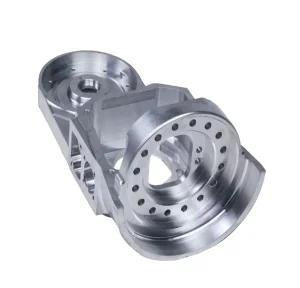
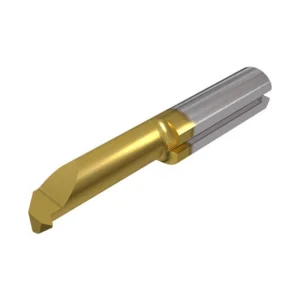
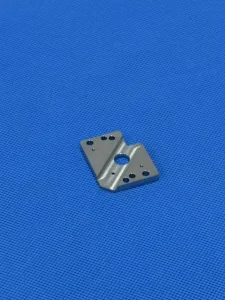
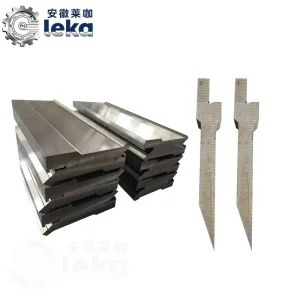
In the modern era of high-precision manufacturing, the role of CNC fixture design has transcended traditional workholding. It is now the cornerstone of manufacturing efficiency. As industry experts, we observe a paradigm shift towards "Adaptive Fixturing," where the synergy between design and machine intelligence determines the yield rate. Manufacturers are moving away from static, heavy-duty jigs to dynamic, modular systems that accommodate diverse geometries—from aerospace-grade titanium components to intricate automotive parts.
Hangzhou Robotic CNC Co., Ltd. stands as a prime example of this evolution. By integrating advanced CNC technology with deep material expertise, they have redefined the standard for machining precision. Their ability to deliver complex, multi-axis machining solutions is not just about the machinery; it is about the *intent* behind the fixture design—minimizing vibration, maximizing thermal stability, and ensuring repeatability.
The "China Factory 4.0" initiative is not a buzzword; it is a fundamental transformation of the supply chain. Global procurement teams often struggle with the trade-off between speed and quality. However, the new breed of Chinese exporters, exemplified by leaders in the Hangzhou industrial ecosystem, is changing the game. By leveraging IoT-enabled production monitoring and automated quality control, these factories provide a level of supply chain resilience that is unmatched.
Key Advantages of the New Supply Chain Model:
When selecting a CNC fixture design factory, procurement managers must move beyond a simple cost-per-unit analysis. The true cost of failure—re-tooling, downtime, and defective components—is significantly higher. A strategic approach requires evaluating the manufacturer's Engineering DNA.
For international buyers, the focus should be on Technical Collaboration. Does the factory offer design for manufacturing (DFM) feedback? Can they handle complex multi-axis geometries? Hangzhou Robotic CNC, for instance, excels by involving their engineering team at the quotation stage, ensuring that design feasibility is assessed *before* production begins. This prevents the "over-engineering" trap and optimizes the component's performance in the field.
Furthermore, local support and compliance cannot be ignored. A partner who understands international shipping regulations, customs documentation, and localized standard requirements (such as specific ASTM or DIN standards) effectively becomes an extension of your own operations team.
Looking ahead, the next decade of CNC manufacturing will be defined by the "Autonomous Factory." We are already seeing the integration of Digital Twins in fixture design—simulating the stress and strain of the machining process in a virtual environment before a single piece of metal is cut. This reduces material waste and energy consumption, aligning with the global push for green manufacturing.
The future of exporting CNC parts lies in digital transparency. Clients will increasingly demand real-time dashboards showing production status, quality metrics, and shipping logistics. Companies like Hangzhou Robotic CNC are already pivoting towards this digitized, transparent manufacturing model, positioning themselves as indispensable partners for global enterprises seeking high-tech, high-reliability machining services.
A: A well-designed fixture ensures the workpiece remains rigid and stable during machining. Any minor deflection or vibration leads to tolerance errors. Proper design optimizes tool paths and material removal rates, ultimately reducing cycle time and increasing part quality.
A: Focus on factories that emphasize quality management systems (QMS), such as ISO 9001. Look for those who provide material certification, clear inspection reports, and have experience with international industries like robotics, aerospace, and automotive, which have zero-tolerance for defects.
A: Yes. Modern factories like Hangzhou Robotic CNC offer rapid prototyping services. By utilizing digital manufacturing workflows, you can transition from an initial CAD design to a physical prototype in days rather than weeks.
 Robotic CNC