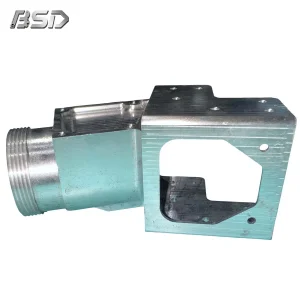
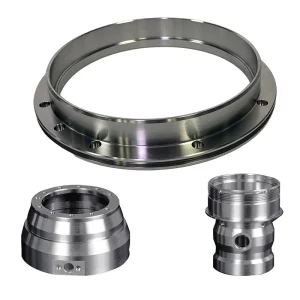
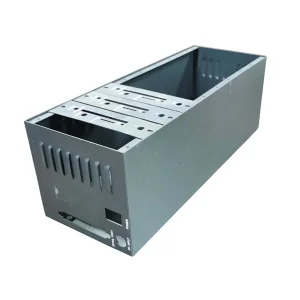
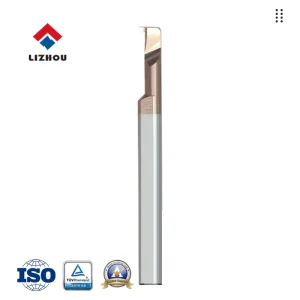
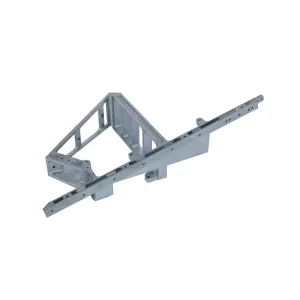
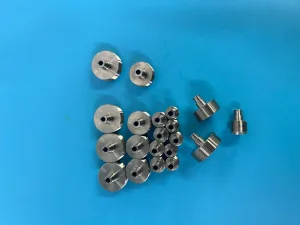
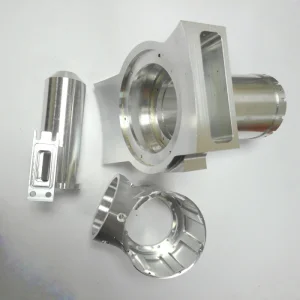
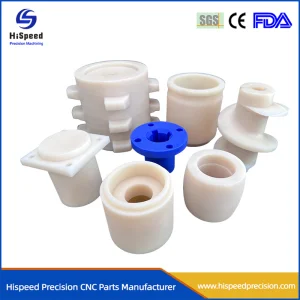
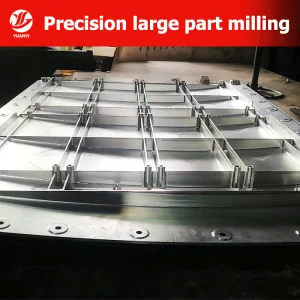
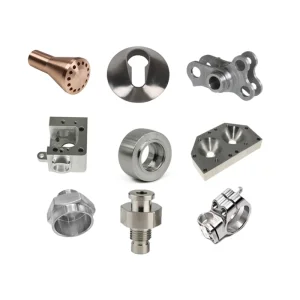
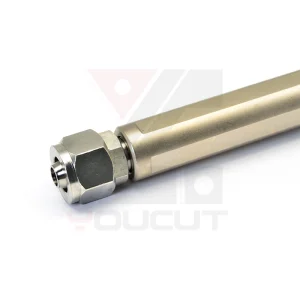
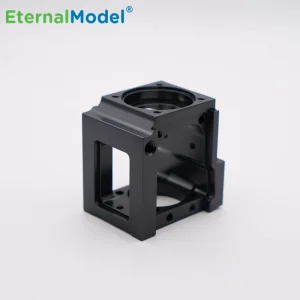
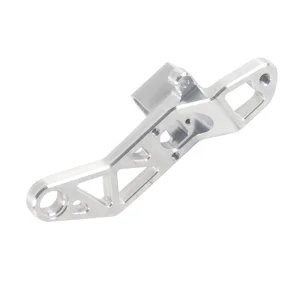
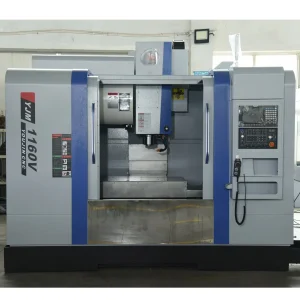
Hangzhou Robotic CNC Co., Ltd. is a professional CNC turning and milling parts manufacturer specializing in delivering high-precision machining solutions for a wide range of industrial applications. Based in Hangzhou, China, the company integrates advanced CNC technology, skilled engineering expertise, and strict quality control systems to produce reliable and consistent machined components.
The company’s core capabilities include multi-axis CNC machining, precision turning, milling, drilling, and custom part manufacturing across various materials such as aluminum, stainless steel, carbon steel, brass, and engineering plastics. Its products are widely used in industries including automotive, robotics, electronics, machinery, aerospace, and industrial automation.
Hangzhou Robotic CNC is committed to meeting the exact specifications of its global customers by offering flexible customization, rapid prototyping, and efficient mass production services. With modern production equipment and standardized inspection processes, the company ensures tight tolerances, superior surface finishes, and stable product quality.

Tier-1 procurement teams require comprehensive traceability, including material mill certifications, non-destructive testing (NDT), and FAI reports. In aerospace and medical fields, adherence to zero-defect quality thresholds is mandatory.
Global logistics demand structured custom clearance, compliant HS code application, and robust maritime/air packaging. Suppliers must guarantee timeline commitments to match strict Just-In-Time (JIT) cycles.
Modern global procurement prioritizes manufacturing suppliers that provide proactive Design for Manufacturability (DFM) feedback. This collaborative optimization directly drives down unit cost while enhancing component yield rates.
Factories must easily transition from micro-rapid prototyping to volume-based production runs. Flexible manufacturing cells (FMC) enable quick tool setups and minimized production lead times.
To successfully capture opportunities in the global procurement ecosystem, China-based metal component factories must act not just as passive contractors, but as end-to-end strategic engineering partners. Driven by innovation and continuous improvement, Hangzhou Robotic CNC Co., Ltd. focuses on providing cost-effective, high-quality precision machining solutions. The company aims to build long-term partnerships with clients worldwide by delivering dependable products, responsive service, and professional technical support for diverse engineering and manufacturing needs.
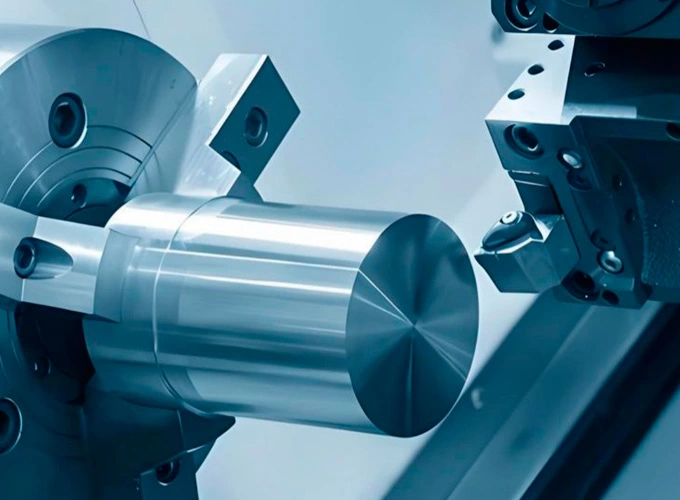
Heavy industries demand distinct metallurgical configurations and custom surface properties. Utilizing the correct raw materials combined with optimized high-speed toolpath parameters prevents structural degradation, tool deflection, and premature mechanical wear.
Common Materials: Titanium Ti-6Al-4V, Inconel 718, 7075-T6 Aluminum.
Challenges & Solutions: Thin-walled components require dynamic vibration analysis to avoid chatter during high-speed milling. Utilizing 5-axis tooling configurations prevents the need for multiple manual clamp setups, keeping geometric positioning precise within strict tolerances.
Common Materials: Ultra-High Purity (UHP) Stainless Steel 316L, AL6061-T6.
Challenges & Solutions: High vacuum environments require ultra-low outgassing rates and an average surface roughness of Ra 0.2-0.4 μm. Chemical polishing, electrochemical deburring, and specialized cleanroom packing prevent particulate contamination.
Common Materials: Medical grade titanium (Grade 5/23), SS 316LVM, PEEK.
Challenges & Solutions: Parts must comply with ISO 13485. Precision Swiss turning centers perform continuous, high-accuracy processing of complex, miniature geometries with zero tolerance for microscopic edge burrs.
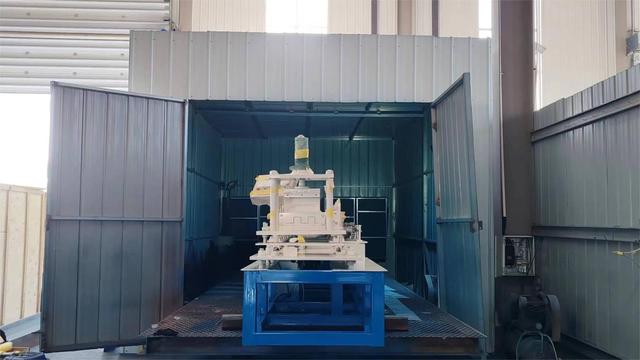
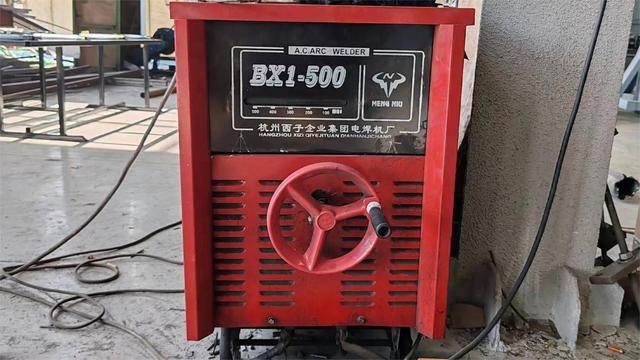
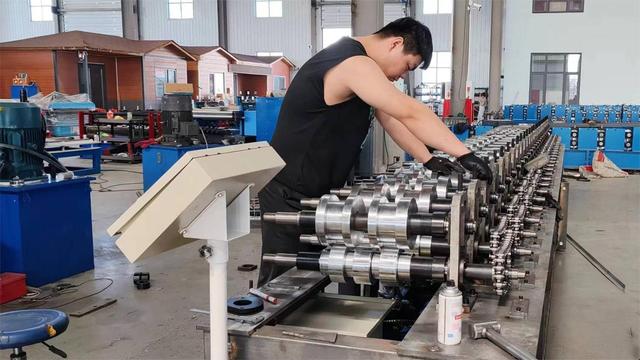
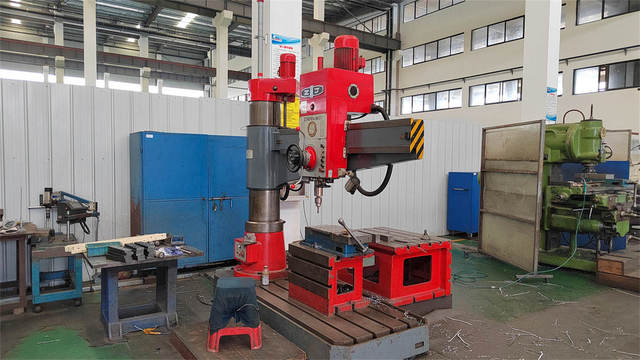
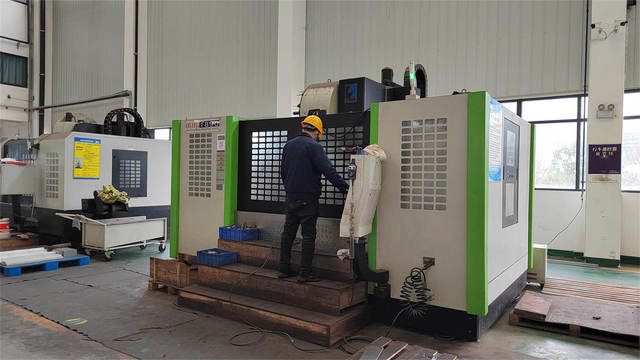
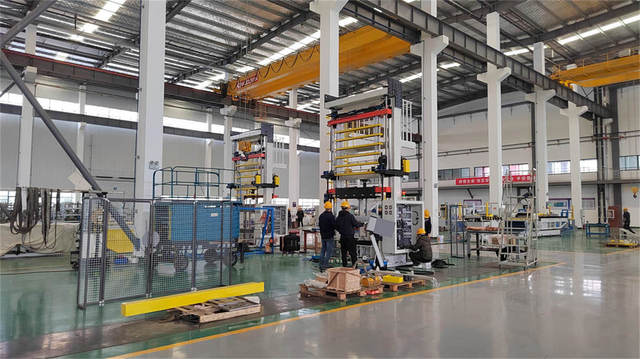
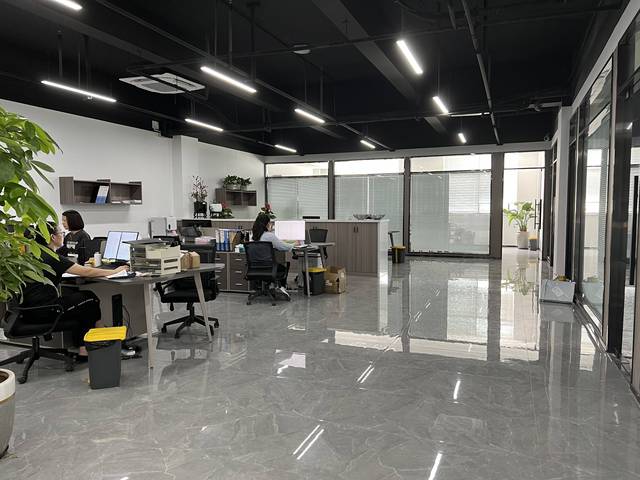
Through continuous capital investments in production equipment, factories like Hangzhou Robotic CNC achieve complex component structures. Key elements of this setup are highlighted in our factory capabilities overview:
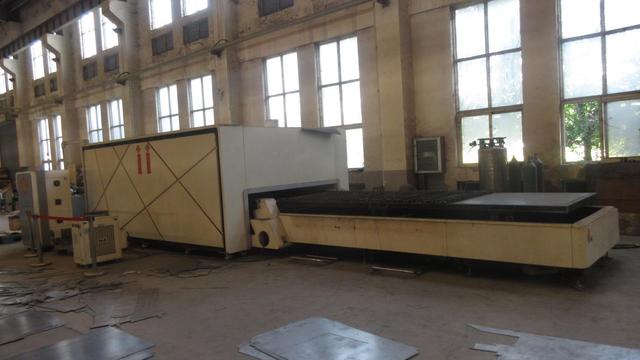
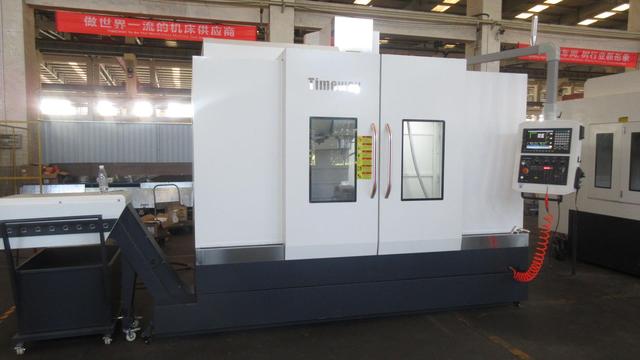
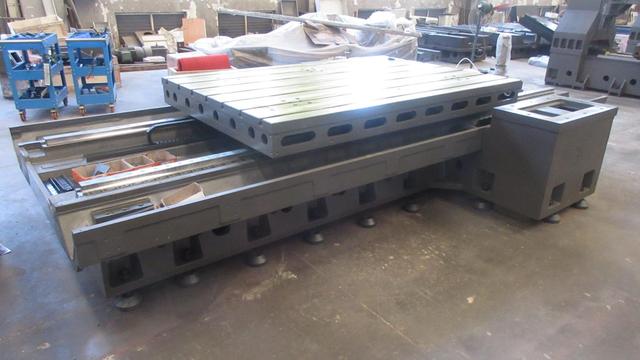
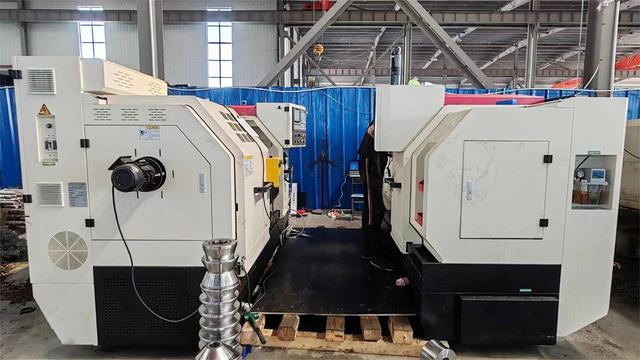
The precision metal machining landscape is experiencing a paradigm shift towards hyper-automated, data-driven manufacturing processes. To stay competitive, China-based precision manufacturing centers are rapidly implementing structural technological upgrades across their operations.
By pairing 3D metal printing with multi-axis CNC finishing, manufacturers create intricate internal cooling paths and geometries that are impossible via conventional cutting alone. This hybrid framework reduces overall material waste, shortening processing steps for aerospace shrouds, turbofans, and custom implantable prosthetics.
By mounting micro-acoustic emissions sensors and current-load monitoring nodes on active CNC spindles, AI models analyze signal fluctuations to anticipate tool fractures before they occur. This structural optimization ensures continuous running and eliminates sudden component scraping.
Before launching actual raw stock runs, programming cycles simulate toolpaths within a simulated 3D physical workspace. Digital twins predict potential axis collisions, optimize material removal rates (MRR), and trace geometric deviations prior to structural material deployment.
The manufacturing sector is replacing traditional petroleum-based lubricants with biodegradable mist applications and Minimum Quantity Lubrication (MQL) setups. This reduces water and hazardous waste footprints, ensuring adherence to global environmental audits.
Partnering with an overseas supplier requires clear compliance and structured operational procedures. A robust supply chain framework reduces friction at international borders and guarantees component consistency over multi-year production runs.
Our collaborative production ecosystems align with modern regulatory certifications: AS9100D for aviation grade systems, ISO 13485 for medical assemblies, and ISO 9001:2015 for structural quality management systems. All parts pass rigorous FAI (First Article Inspection) approvals.
To assist global procurement managers with budgeting, experienced logistics teams process exact customs paperwork. Proper HS code alignment and packaging certifications ensure components pass through customs without delay or unexpected penalty fees.
Every shipment is backed by material mill analysis sheets, heat-treatment logs, coordinate measuring machine (CMM) digital printouts, and custom thread gauge certificates. Discrepancies trigger root-cause analysis (8D reporting) to prevent future quality issues.
 Robotic CNC