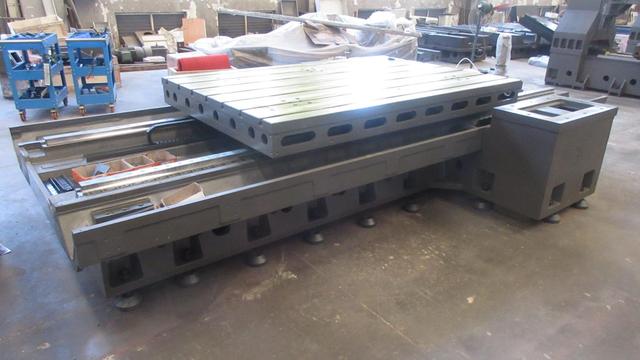
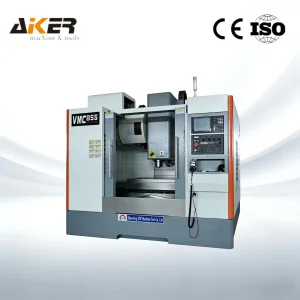
Engineered with micro-level tolerances and superior material integrity for advanced vertical milling operations.
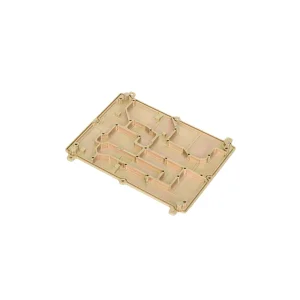
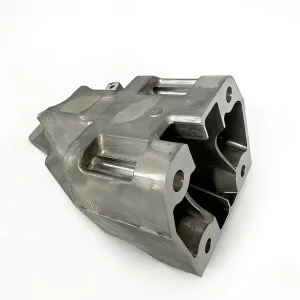
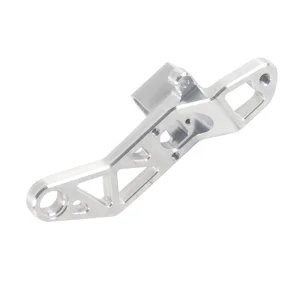
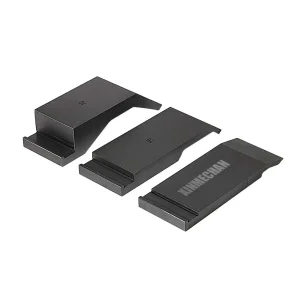
Navigating complex manufacturing parameters and supplier performance indicators in high-precision metalworking.
Modern procurement departments prioritize factories with verified dynamic rigidity, advanced thermal stabilization controls, and spindle speeds exceeding 12,000 RPM. These properties ensure surface finish reliability and dimensional compliance across lengthy custom runs.
Efficiency is heavily dependent on a factory's native software ecosystem. Direct ingestion of SolidWorks, Autodesk, and Catia files reduces pre-production tooling delays, eliminates configuration errors, and establishes an end-to-end digital twin process.
In a fluctuating trade environment, the top 10 exporters guarantee logistics security, transparent pricing mechanisms, and multi-sourced raw materials to insulate clients from shipping delays and regional material price spikes.
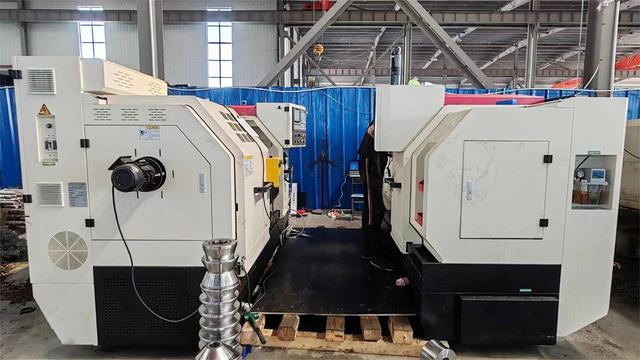
Hangzhou Robotic CNC Co., Ltd. is a professional CNC turning and milling parts manufacturer specializing in delivering high-precision machining solutions for a wide range of industrial applications. Based in Hangzhou, China, the company integrates advanced CNC technology, skilled engineering expertise, and strict quality control systems to produce reliable and consistent machined components.
The company’s core capabilities include multi-axis CNC machining, precision turning, milling, drilling, and custom part manufacturing across various materials such as aluminum, stainless steel, carbon steel, brass, and engineering plastics. Its products are widely used in industries including automotive, robotics, electronics, machinery, aerospace, and industrial automation.
Hangzhou Robotic CNC is committed to meeting the exact specifications of its global customers by offering flexible customization, rapid prototyping, and efficient mass production services. With modern production equipment and standardized inspection processes, the company ensures tight tolerances, superior surface finishes, and stable product quality.
Driven by innovation and continuous improvement, Hangzhou Robotic CNC Co., Ltd. focuses on providing cost-effective, high-quality precision machining solutions. The company aims to build long-term partnerships with clients worldwide by delivering dependable products, responsive service, and professional technical support for diverse engineering and manufacturing needs.
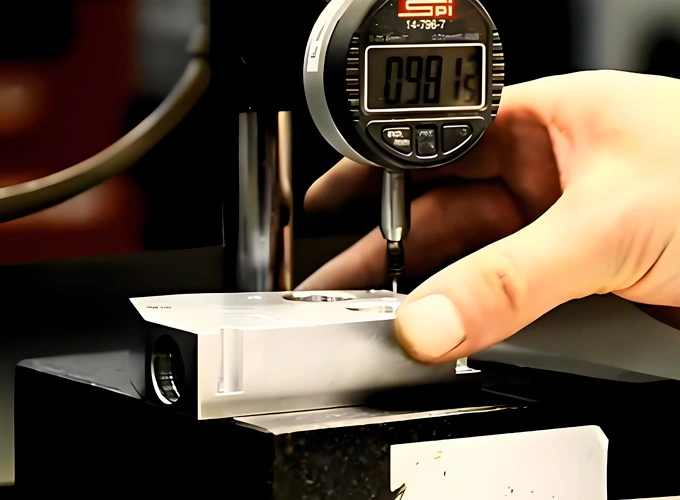
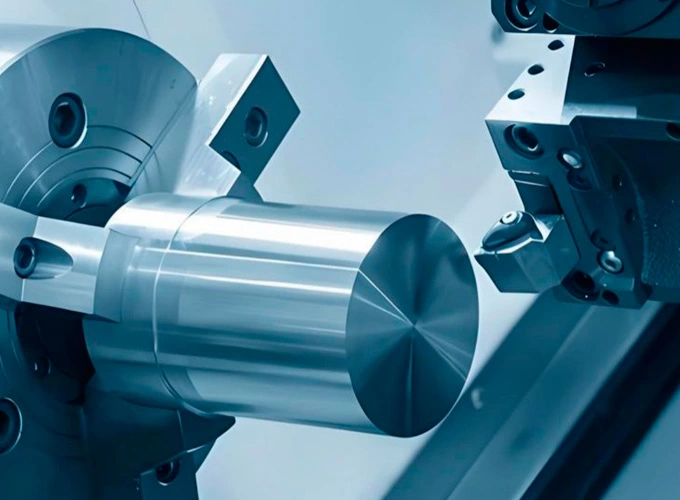
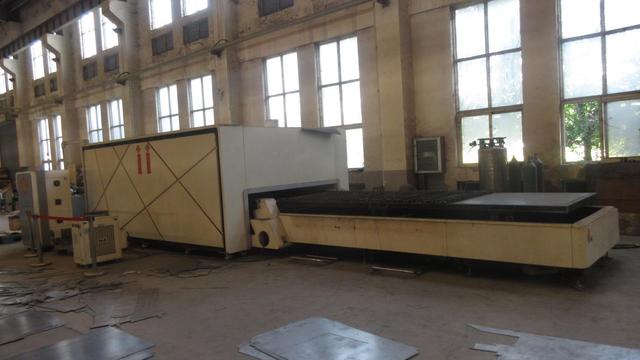
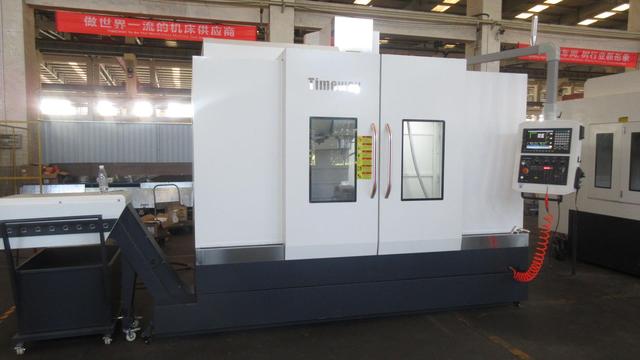
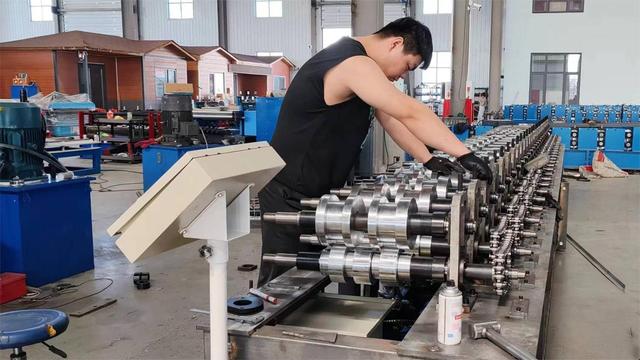
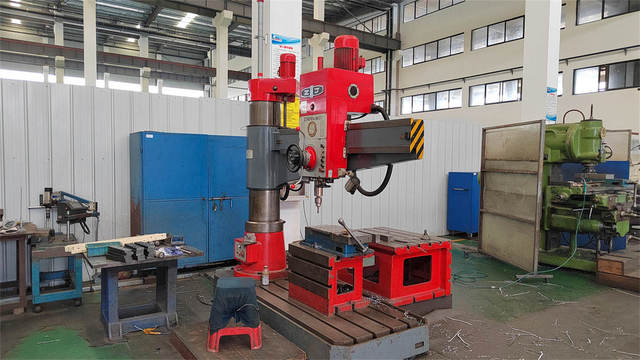
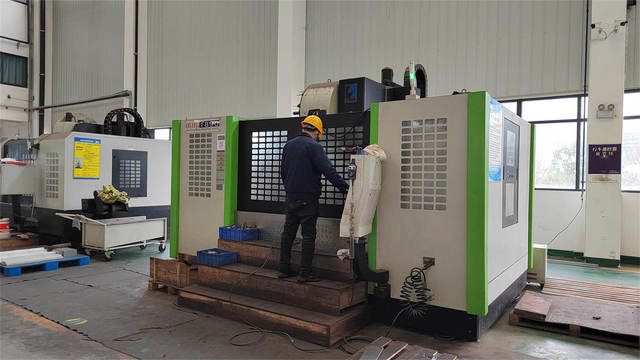
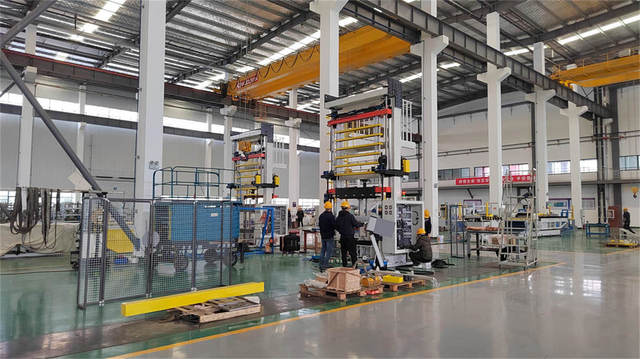
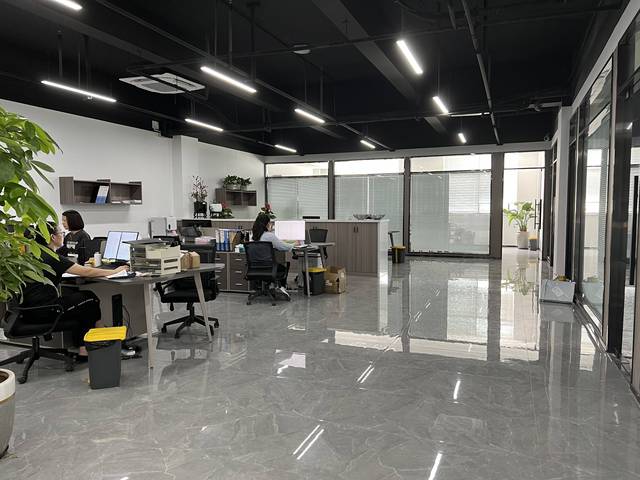
An objective summary of processing boundaries and manufacturing compliance.
| Machining Parameters | Standard Capabilities | High-Precision Thresholds | Applicable Materials |
|---|---|---|---|
| Dimensional Tolerance | ±0.05 mm to ±0.01 mm | Up to ±0.005 mm (microns) | Aluminum 6061/7075, Stainless Steel 304/316, Titanium Gr5 |
| Axis Configuration | 3-Axis & 4-Axis Vertical Milling | 5-Axis Simultaneous Linkage | Complex geometries, aerospace impellers, engine blocks |
| Surface Roughness | Ra 3.2 μm to Ra 1.6 μm | Up to Ra 0.4 μm (super-finishing) | Brass, copper, tool steel, engineering plastics (POM/PEEK) |
| Spindle Configuration | 8,000 - 12,000 RPM | 18,000 - 24,000 RPM high speed | Thin-walled structures, telecom modules, high-frequency cavities |
Exploring the convergence of AI, additive-subtractive hybrids, and automation in modern manufacturing plants.
Industrial vertical machining centers are rapidly transitioning from scheduled maintenance models to predictive maintenance frameworks. By incorporating real-time vibration sensors, thermal cameras, and acoustic emission detectors directly into the spindle assembly, modern systems can predict tool wear and structural resonance anomalies up to 48 hours before failure occurs. This active AI optimization significantly reduces machine downtime and avoids expensive material scrap during large-production runs.
The distinction between 3D metal printing and multi-axis CNC milling continues to blur. Leading edge vertical machining factories are installing hybrid platforms that can lay down material using laser metal deposition (LMD) and subsequently mill it down to exact specifications within the same coordinate system. This eliminates workholding changes, allows the interior structure of heavy components to be hollowed or optimized for weight, and enables the restoration of worn tools and high-value engine dies directly within the VMC enclosure.
Traditional rotary ball-screws are increasingly replaced by linear motors along the X, Y, and Z axes. Linear drives eliminate physical backlash, reduce friction wear, and allow rapid positioning speeds of up to 80 meters per minute. When coupled with advanced CNC controllers (such as Siemens 840D or Fanuc 31i series), linear drive vertical milling systems can achieve exceptionally high contouring accuracy, even at high feed rates during complex 3D surface machining.
Ensuring your supply chain complies with critical regulatory baselines across international borders.
All leading export factories work within ISO 9001:2015 frameworks. High-reliability sectors like automotive and medical device manufacturing require IATF 16949 and ISO 13485 certifications respectively, ensuring strict control over document versioning and dimensional tracking.
Sourcing machined parts requires assurance that materials comply with hazardous substance limitations. Exporters must provide chemical breakdown certificates verifying that alloys do not exceed maximum concentrations of lead, mercury, or cadmium, keeping product cycles compliant in EU and US markets.
To simplify global transport logistics, leading Chinese CNC vertical milling exporters offer DDP (Delivered Duty Paid) shipping solutions. This integrates maritime shipping, customs entry, import duties, and final inland transport under a single comprehensive invoice.
Broad-spectrum system applications ranging from specialized tooling modules to advanced machining equipment.
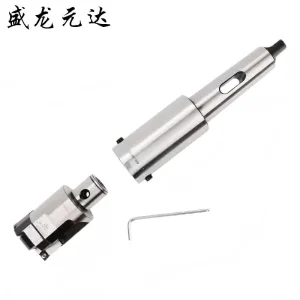
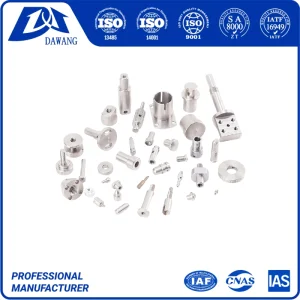
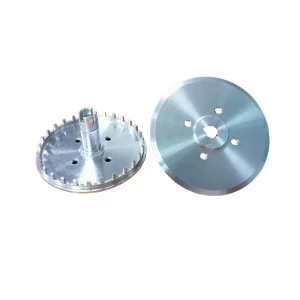
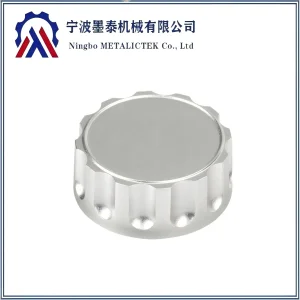
Expert technical insights regarding cost efficiency, tolerances, lead times, and factory audits.
 Robotic CNC