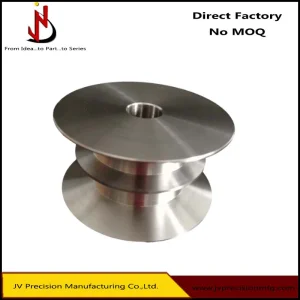
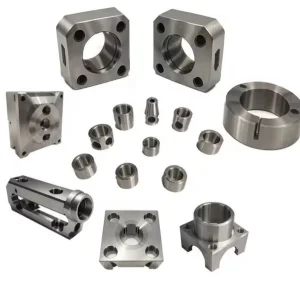
Explore our state-of-the-art CNC manufactured products engineered to exceed tight industrial tolerances.
Why standard machining parameters no longer satisfy critical industrial applications.
In contemporary high-precision manufacturing, the quality of a component is no longer defined merely by its dimensional accuracy. As industries evolve toward miniaturization, extreme environmental operations, and high-frequency cyclical stress, the microscopic interface of a part determines its ultimate lifespan. Surface engineering—specifically CNC parts finishing—has emerged as a core discipline. Sourcing teams in aerospace, defense, autonomous systems, and medical diagnostics understand that a raw machined substrate is vulnerable to premature stress-corrosion cracking, tribological wear, and environmental degradation.
For international sourcing directors, partnering with a supplier that integrates manufacturing with advanced post-processing is a strategic necessity. A typical raw-machined component possesses microscopic tool marks that act as stress concentration areas. Implementing controlled chemical, mechanical, and electro-chemical surface processes modifies the surface layer’s roughness average (Ra), fatigue resistance, and chemical passivity, ensuring performance in high-stress applications.
Modern applications require surface finishes below Ra 0.4 microns. Our techniques reduce friction coefficients and eliminate surface fatigue points.
Utilizing high-grade chemical treatments like nitric acid passivation, electropolishing, and anodizing to neutralize surface contaminants.
We maintain precise control over dimensional adjustments post-coating, maintaining tolerances within the single-micron range (+/- 0.005mm).
Analyzing logistics, regulatory compliance, and total cost of ownership (TCO) in B2B supply chains.
When purchasing agents search for a "CNC Parts Finishing Manufacturer & Exporter," they evaluate multi-layered risk profiles. These include regulatory frameworks like REACH, RoHS, and conflict minerals declarations, alongside direct logistical lead times and technical capacity verification. A reliable supplier must serve as a consulting engineer, offering guidance on material selection and finishing configurations to balance performance and budget.
For instance, substituting a physical vapor deposition (PVD) coating for hard anodizing where tribological friction is low can reduce unit cost without sacrificing lifecycle length. Our engineering team conducts DFM (Design for Manufacturability) analyses to help clients optimize design configurations before mass production, eliminating potential structural points of failure.
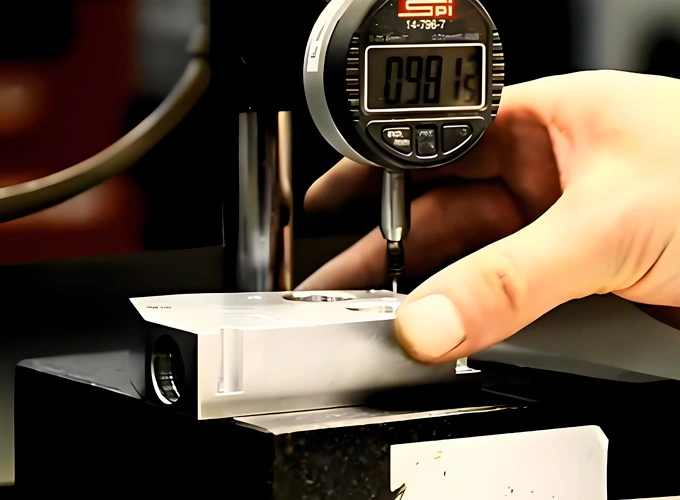
How Hangzhou Robotic CNC Co., Ltd. integrates automation with digital quality workflows.
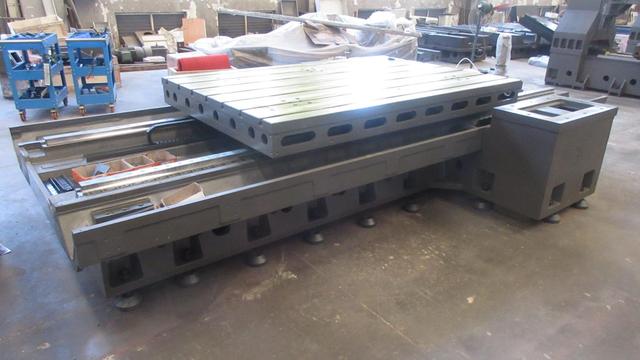
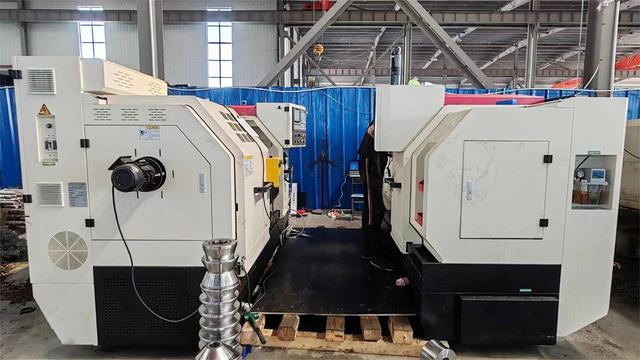
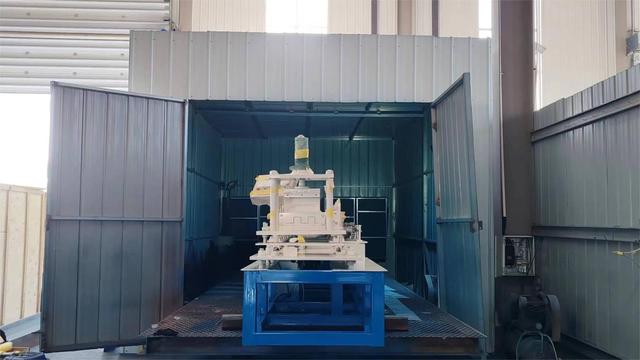
At our production facility, Hangzhou Robotic CNC Co., Ltd., we implement Factory 4.0 paradigms to provide supply chain resilience. Through digital monitoring of machine utilization, automated robotic loading systems, and closed-loop CNC machining processes, we mitigate the labor volatility typical of older manufacturing models. This automated layout ensures that our processes are repeatable from the first prototype to high-volume production runs.
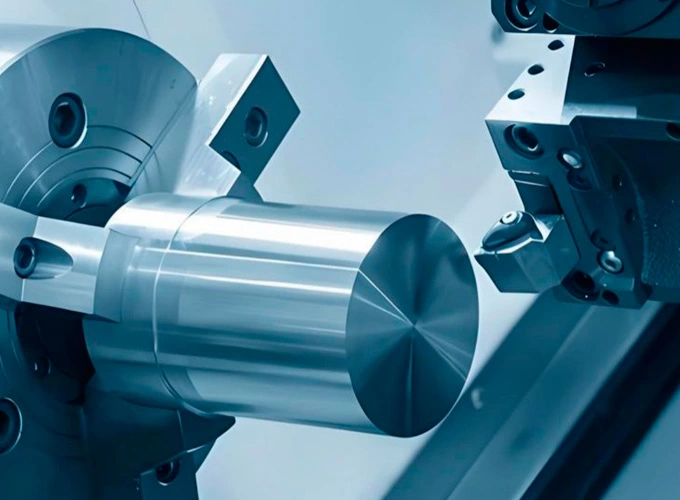
By consolidating post-treatment facilities within our regional cluster, we mitigate sub-supplier shipping delays. Our processing speed is further enhanced by localized access to deep logistics networks in Zhejiang province. Our multi-axis machines, including turning-milling centers, enable us to produce complex geometries with a single setup, minimizing positioning errors and maintaining tight tolerances on complex features.
We deploy digital tracking protocols across all projects. Material certificates, heat treatment charts, and surface roughness verification profiles are logged with a unique serial number, providing traceability for critical parts in defense, aerospace, and medical sectors.
Decoupling specific finish treatments and their practical performance in diverse industrial fields.
Converts aluminum surfaces into a hard, wear-resistant metal oxide layer. Essential for aerospace structures and consumer electronics requiring abrasion resistance.
Mainly for stainless steels. Removes surface iron particles to prevent rust and improve chemical resistance. Widely used in medical, dairy, and semiconductor processing equipment.
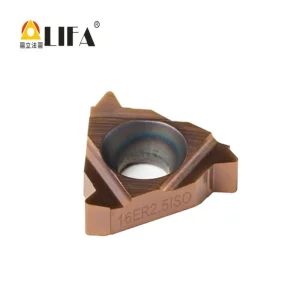
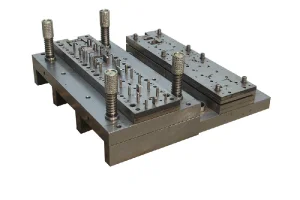
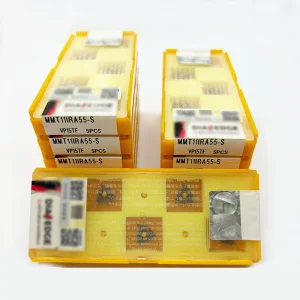
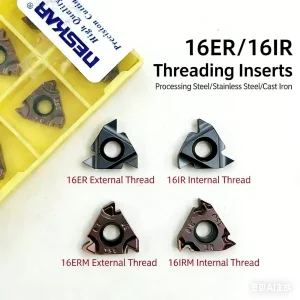
Applies thin, high-performance ceramic coatings (TiN, AlTiN, DLC) over a clean, bead-blasted substrate. Used to extend the tool life of thread turning inserts and punch dies.
Every industry presents distinct environmental variables that require tailored finishing strategies:
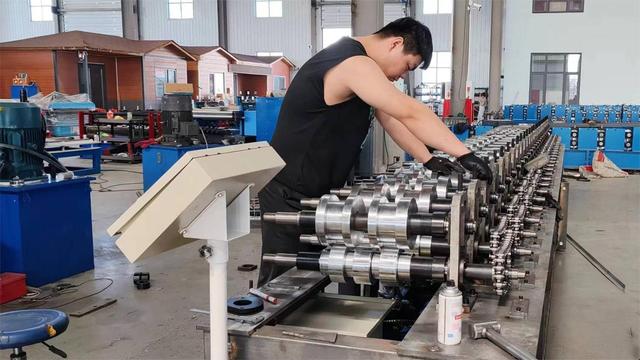
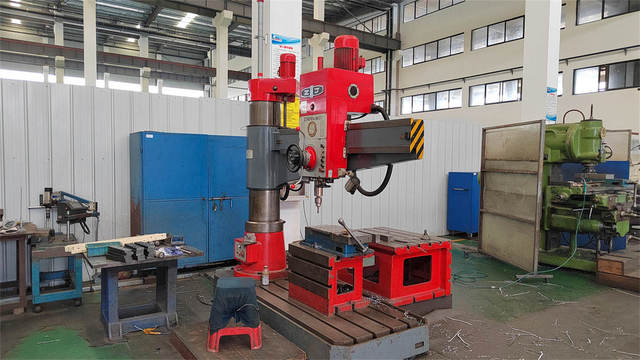
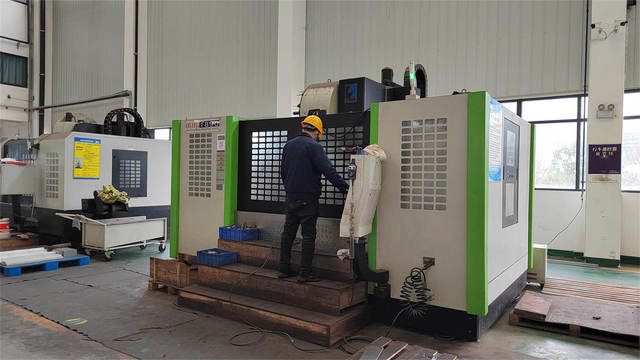
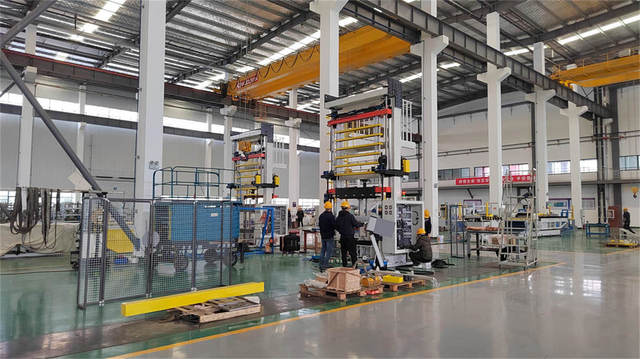
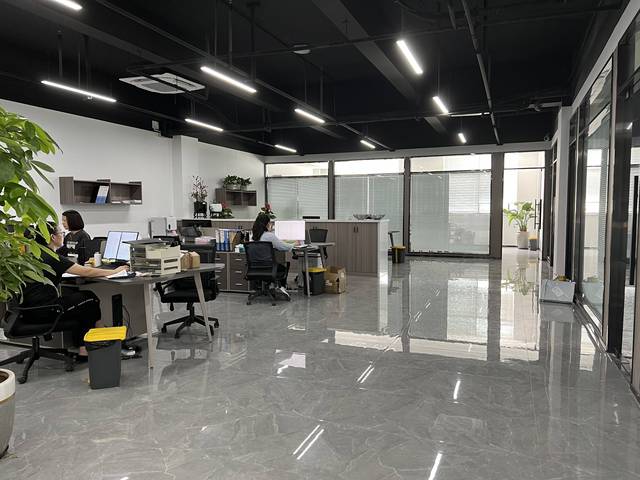
Virtual walkthrough of Hangzhou Robotic CNC Co., Ltd.'s processing centers.
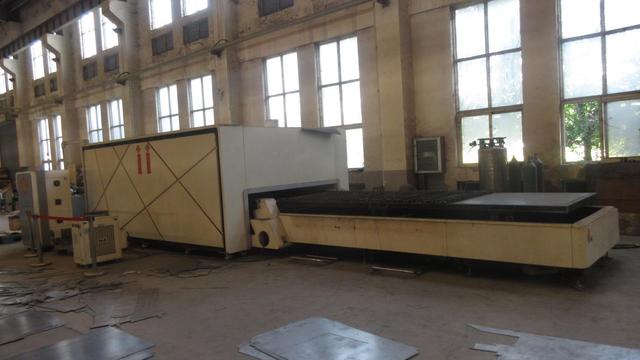
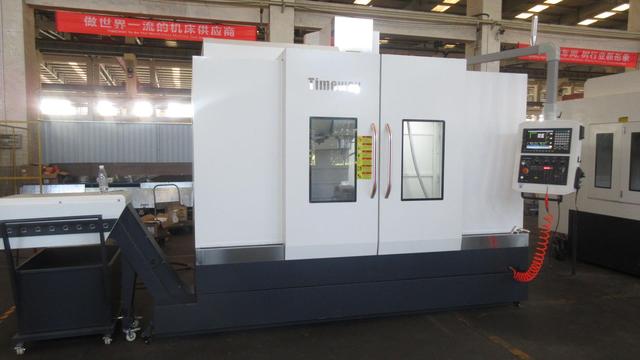
Providing clear answers to technical questions commonly raised by quality engineers and purchasing agents.
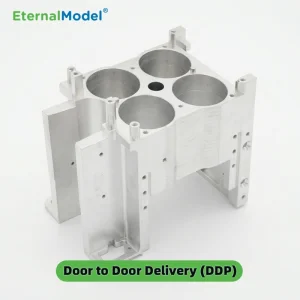
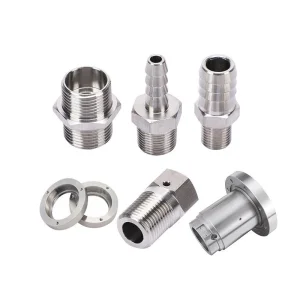
Explore our technical components designed for industrial manufacturing assemblies.
 Robotic CNC