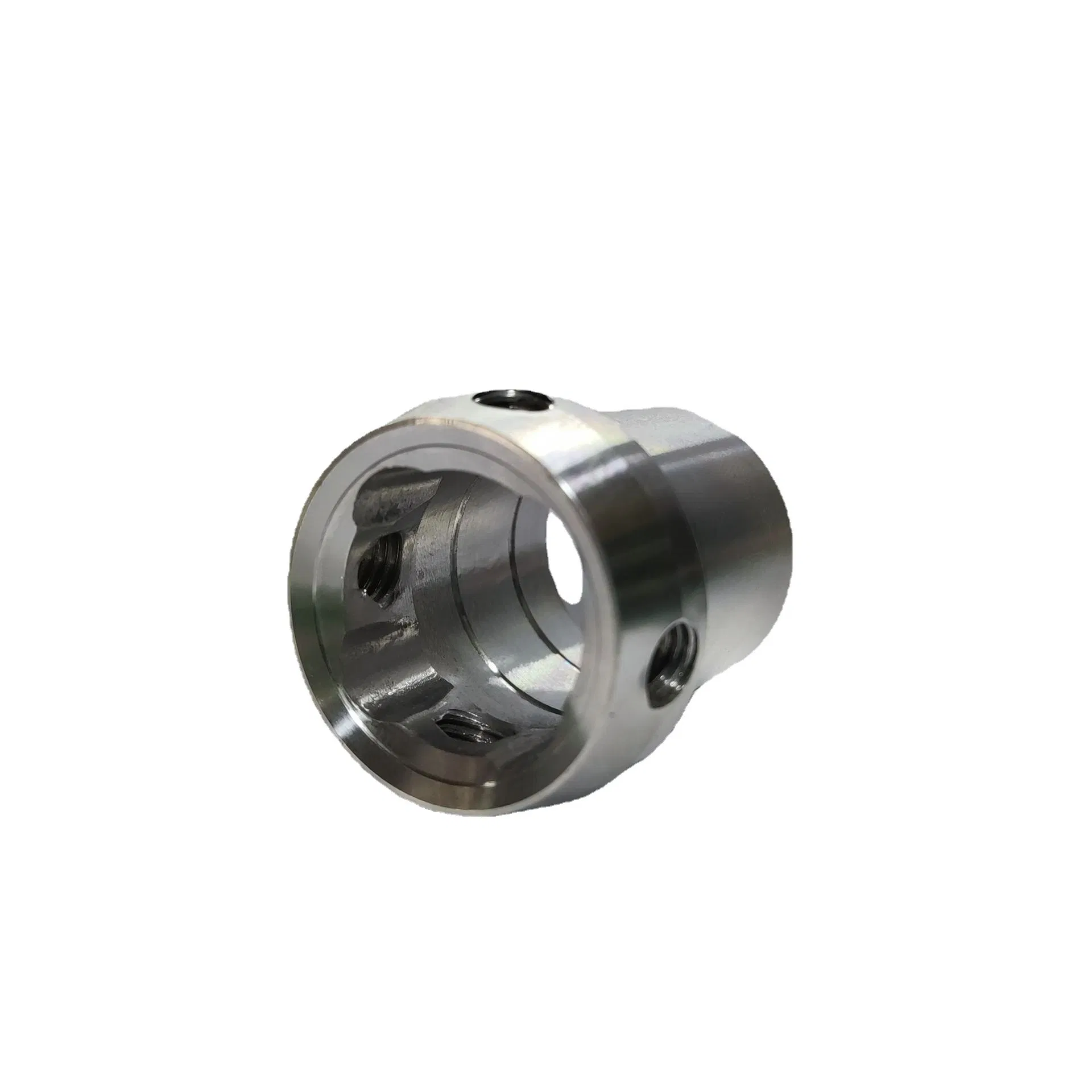
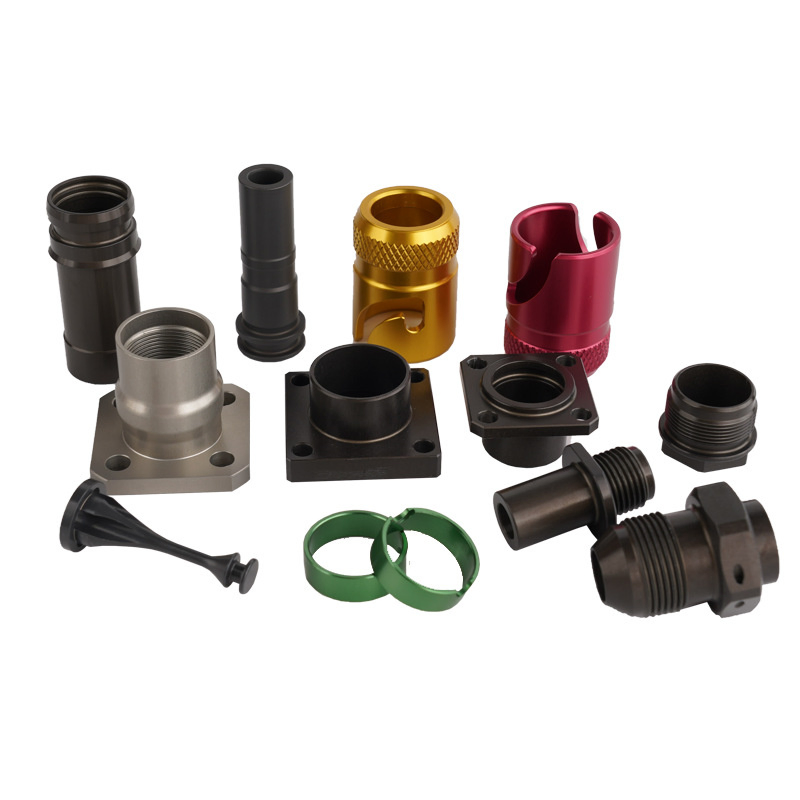
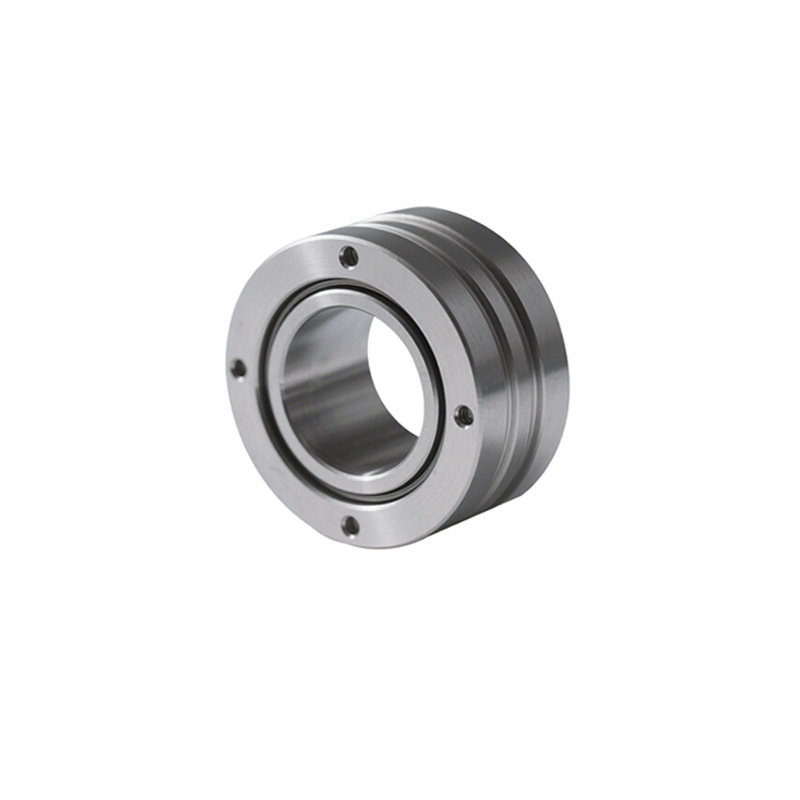
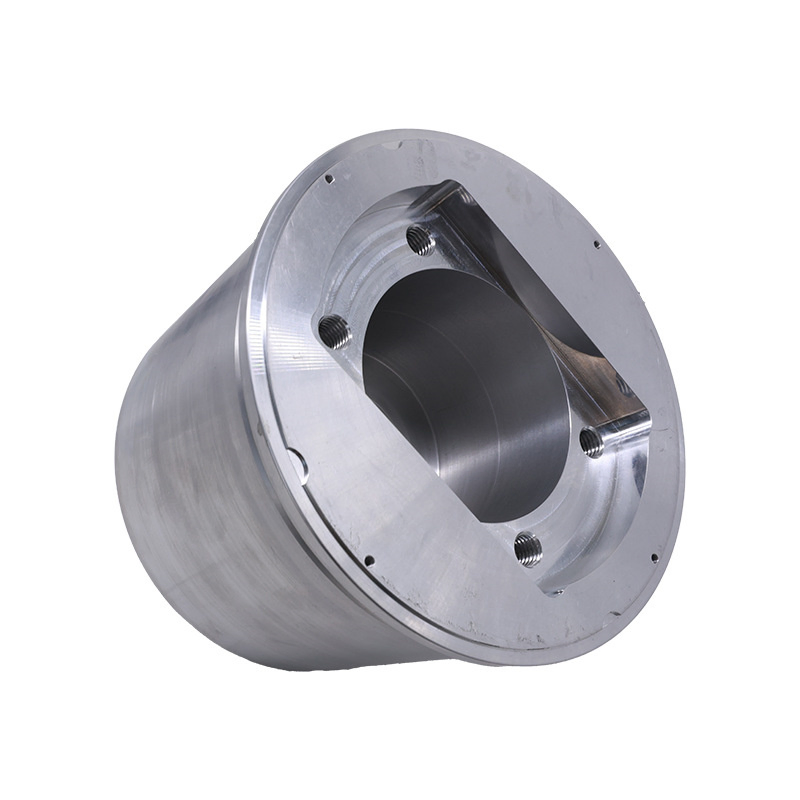
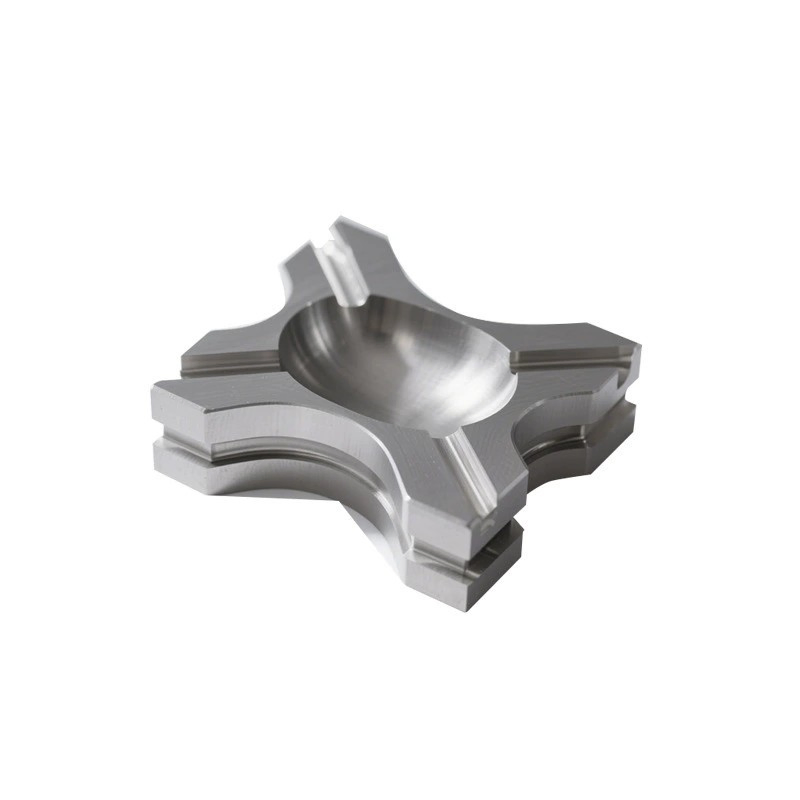
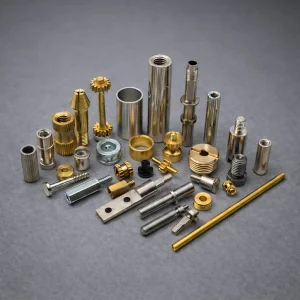
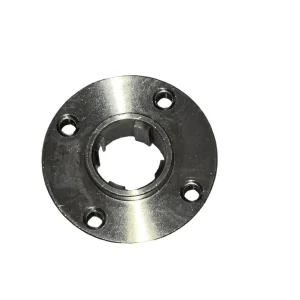
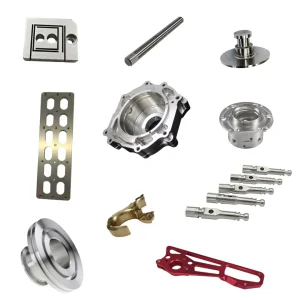
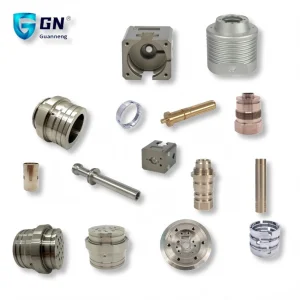
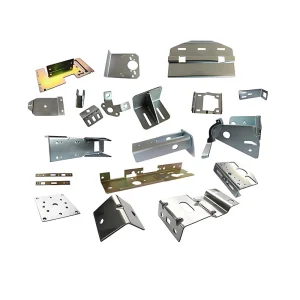
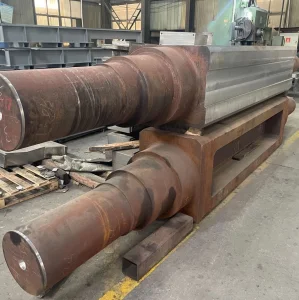
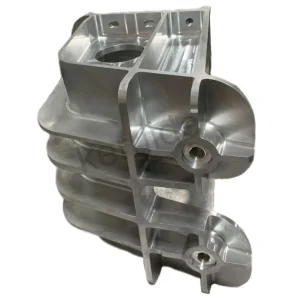
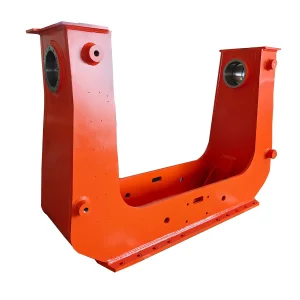
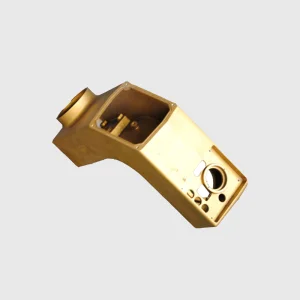
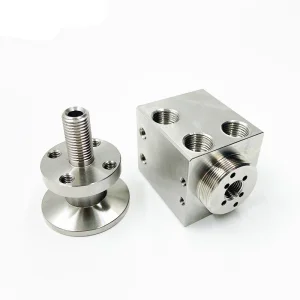
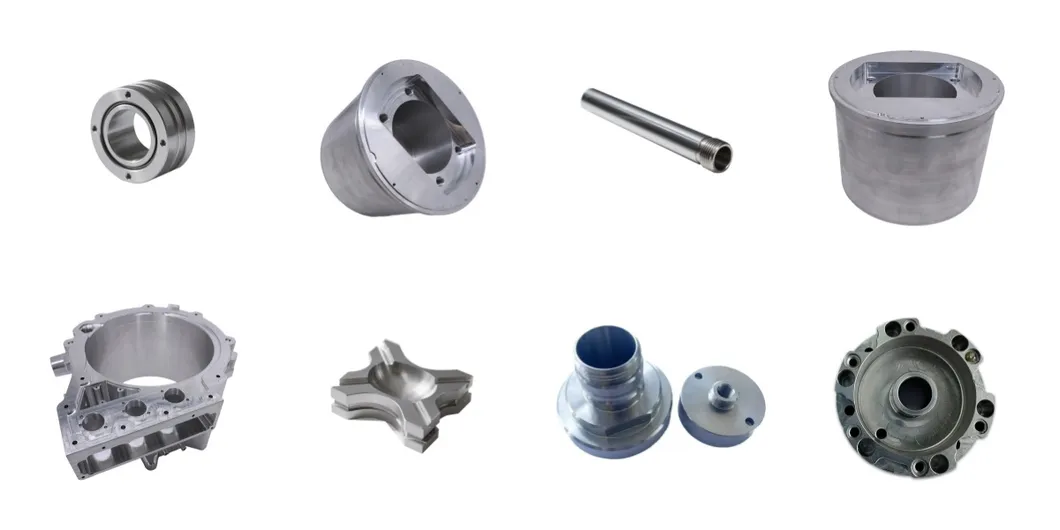
CNC Metal Stainless Steel Precision Slider CNC Mechanical Machining for Screw Machined Factory Compression Agricultural Machinery Aviation Investment Parts

Still deciding? Get samples of $ !
Order Sample

Product Description

Basic Information
Model NO.
Customized
Condition
New
Certification
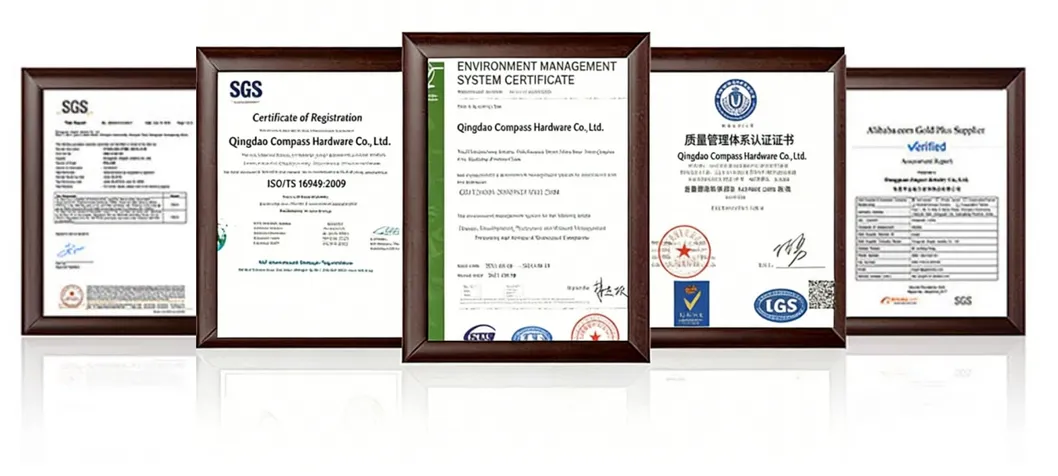
ISO9001
Standard
ASTM
Material
Steel/Stainless/Aluminum/Brass
Service
OEM/ODM
Accuracy
±0.005mm
Surface Finish
Ra 0.4-3.2μm
Production Capacity
300 Tons Per Month
Package Gross Weight
22.500kg
Product Description
CNC Machining uses computer instructions to automatically control cutting tools, turning digital designs into precise metal or plastic parts. It's faster, more accurate, and more consistent than manual machining.
CNC Precision Machining
🚀 Key Features
  • High Precision: Tolerances down to ±0.005mm.
  • Repeatability: Ideal for mass production of identical parts.
  • Material Versatility: Metals (aluminum, steel, titanium), plastics, composites.
  • Complex Geometries: 3D contours, deep cavities, and fine details.
Our Advantages & Processes
Why Choose Our CNC?

• High Accuracy & Consistency
• Fast Production & Automated changes
• Flexible Design Changes via CAD/CAM
• Wide Material Options

Primary Processes

• CNC Milling (3, 4, 5-axis)
• CNC Turning (Lathe/Swiss-type)
• Drilling & Tapping
• Grinding / EDM / Wire Cutting
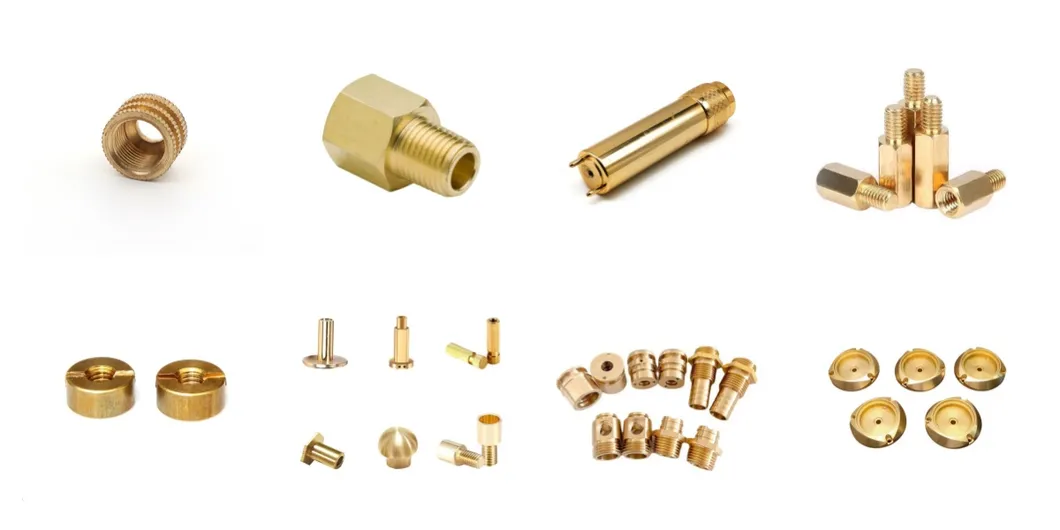
CNC Milling Process
CNC Turning Process
Product Parameters
Materials: Aluminum, Steel, Stainless Steel, Titanium, Brass, Copper, ABS, PEEK, Nylon, Carbon fiber.
Tolerances: Standard (±0.1mm), High Precision (±0.025mm), Ultra-Precision (±0.005mm).
Formats: STEP (.stp), IGES (.igs), Parasolid (.x_t), DXF, DWG.
Key CNC Applications by Industry
Industry Typical CNC Parts Materials Used
AerospaceTurbine blades, landing gearTitanium, Inconel, aluminum
AutomotivePistons, transmission partsSteel, aluminum, brass
MedicalImplants, surgical toolsStainless steel, PEEK
ElectronicsHeat sinks, connectorsAluminum, copper, plastics
CNC vs 3D Printing vs Die Casting
Factor CNC Machining 3D Printing Die Casting
Accuracy±0.005mm±0.1-0.3mm±0.1-0.5mm
Surface FinishExcellent (Ra 0.4-3.2µm)LayeredGood (Ra 1.6-6.3µm)
Best ForHigh-precision metalComplex prototypesHigh-volume parts
Technical Capacity
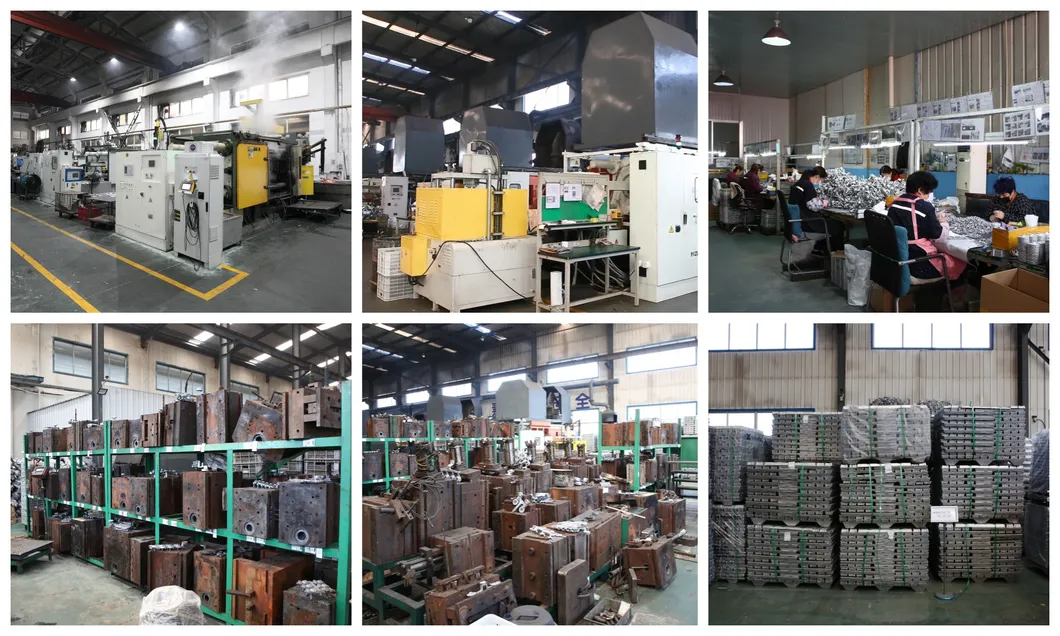
Production Line
With 15+ years of experience as a provider for OEM industrial products, our facility features full-automatic die casting machines from 88T to 1250T and 120 sets of precision CNC machining centers. Our testing equipment includes three-coordinate measuring machines, X-ray flaw detectors, and salt spray testing to ensure quality is second to none.
CNC Equipment
Quality Control
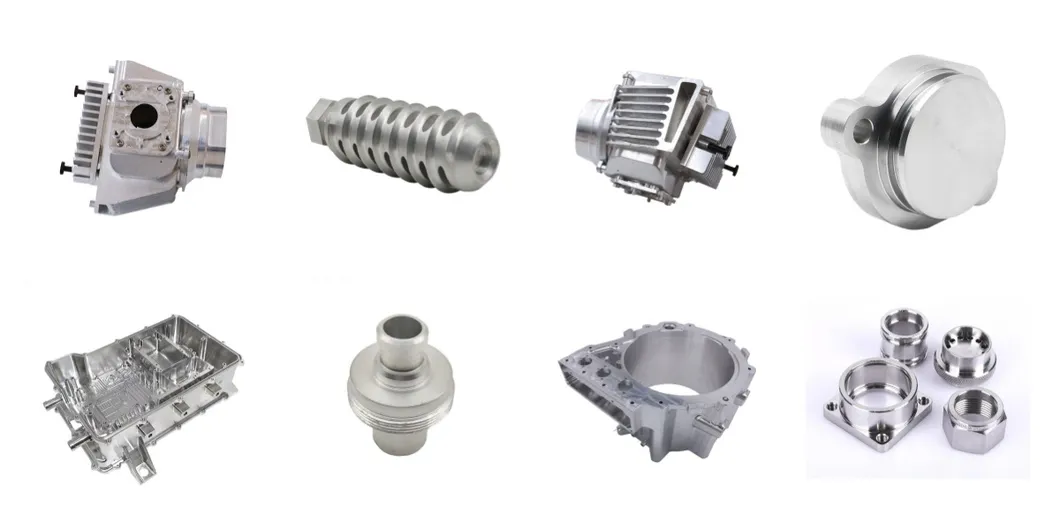
Industry Applications
Frequently Asked Questions
What materials can be CNC machined?
We machine metals like Aluminum, Steel, Stainless Steel, Titanium, and Brass, as well as plastics such as ABS, PEEK, Nylon, and Delrin.
What's the difference between 3, 4, and 5-axis CNC?
3-axis cuts in X, Y, Z directions. 4-axis adds rotation for cylindrical parts. 5-axis rotates on two additional axes (B & C) for complex 3D shapes used in aerospace.
What tolerances can you achieve?
Standard tolerance is ±0.1mm. High precision reaches ±0.025mm, and ultra-precision micro-machining can achieve ±0.005mm.
What file formats are needed?
For 3D models, we prefer STEP (.stp), IGES (.igs), or Parasolid (.x_t). For 2D drawings, DXF or DWG files are required.
How do you avoid machining defects?
We use deburring tools for burrs, optimize feed rates to eliminate tool marks, and use proper fixturing or stress-relief annealing to prevent warping in thin parts.
Can CNC machines perform threading and tapping?
Yes, our CNC centers can perform internal tapping, external thread milling, and create custom thread profiles like ACME or NPT.

Related Products