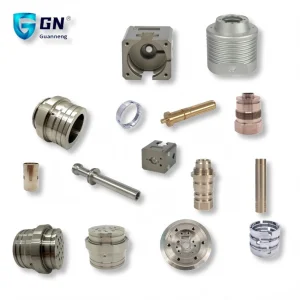
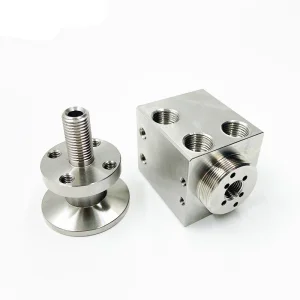
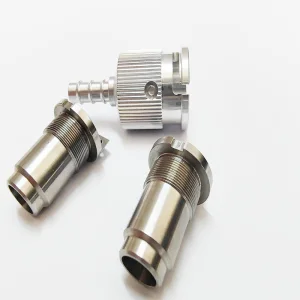
Explore our flagship CNC machining and turning assemblies, specifically configured to meet the rigorous quality standards of Lisbon's high-tech, marine, and automotive engineering industries.
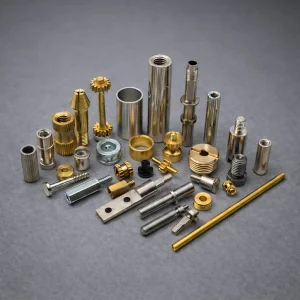
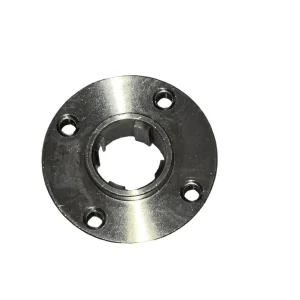
The metropolitan area of Lisbon, stretching from the northern technology belts to the deep-water industrial hubs of Setúbal and Palmela, has undergone a profound industrial renaissance. Traditionally viewed as a historic and tourism-focused administrative center, Lisbon is now one of Southern Europe’s most promising hubs for tech integration, automotive assembly, and maritime logistics.
Local industrial actors, including major automotive assemblers like the Autoeuropa complex in nearby Palmela and innovative IoT aerospace startups, demand strict component tolerances. Components used in Portuguese manufacturing plants must withstand severe mechanical stress, resist coastal saline environments, and meet European Union standardization directives.
Our CNC machining solutions leverage this local understanding, offering high-grade Aluminum, Brass, and Surgical Stainless Steel (316L) components optimized for automotive tooling, optical components, and precision sensor enclosures.
Worldwide manufacturing is moving toward high-mix, low-volume (HMLV) environments where speed, design adaptability, and material integrity rule. General purpose workshops are being replaced by automated multiaxis setups. Understanding how global procurement departments manage these shifts is critical to establishing robust supply chains.
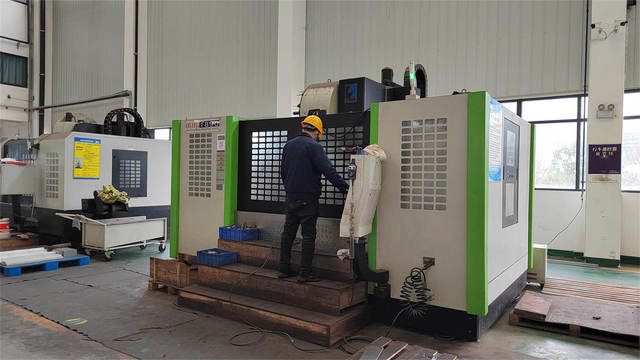
Moving beyond conventional 3-axis mills, advanced multi-axis tooling allows machining of highly complex shapes in a single setup, drastically reducing part displacement errors and maximizing surface finish consistency.
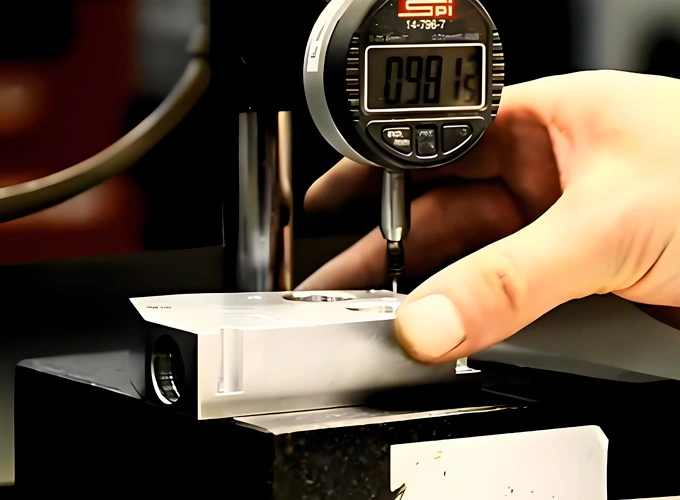
Global industrial procurement demands rigorous verification. Modern factories use digital Coordinate Measuring Machines (CMM), optical projectors, and X-ray fluorescence spectrometers to verify physical specs and metal alloy chemical composition.
Relying solely on local workshops limits scalability. Integrating high-capacity Chinese manufacturing partners enables Lisbon OEMs to balance production load, minimize local labor overhead, and leverage massive raw material reserves.
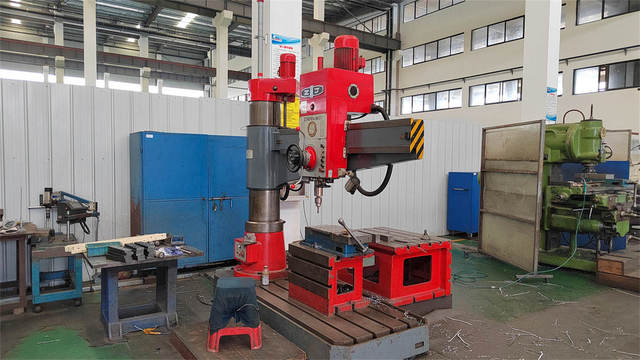
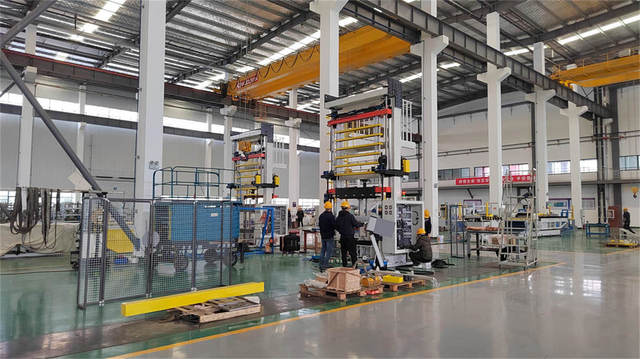
Hangzhou Robotic CNC Co., Ltd. is a professional CNC turning and milling parts manufacturer specializing in delivering high-precision machining solutions for a wide range of industrial applications. Based in Hangzhou, China, the company integrates advanced CNC technology, skilled engineering expertise, and strict quality control systems to produce reliable and consistent machined components.
The company’s core capabilities include multi-axis CNC machining, precision turning, milling, drilling, and custom part manufacturing across various materials such as aluminum, stainless steel, carbon steel, brass, and engineering plastics. Its products are widely used in industries including automotive, robotics, electronics, machinery, aerospace, and industrial automation.
Hangzhou Robotic CNC is committed to meeting the exact specifications of its global customers by offering flexible customization, rapid prototyping, and efficient mass production services. With modern production equipment and standardized inspection processes, the company ensures tight tolerances, superior surface finishes, and stable product quality.
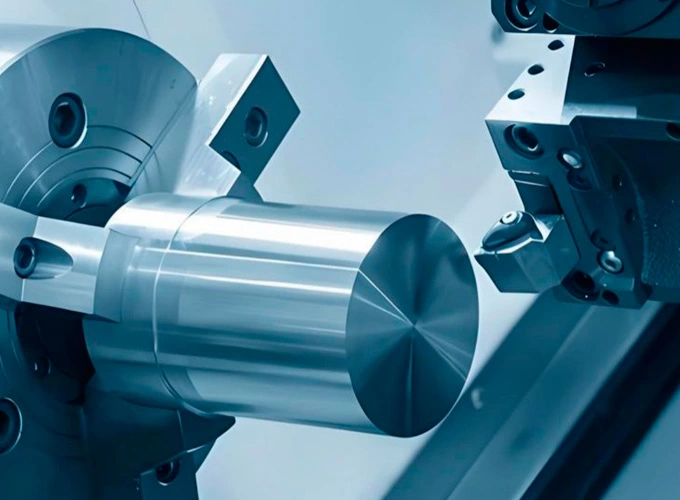
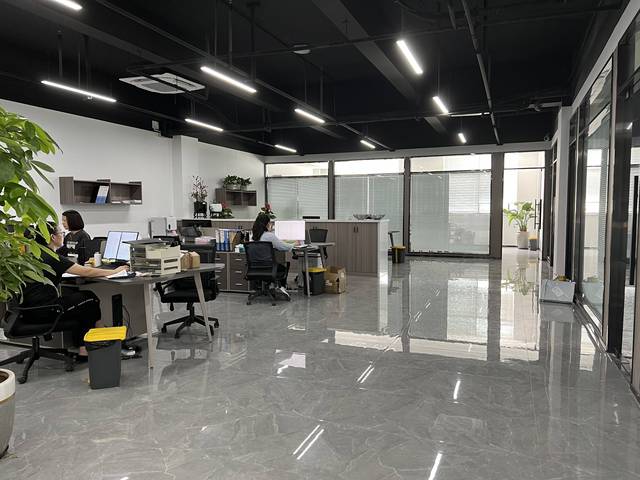
Driven by innovation and continuous improvement, Hangzhou Robotic CNC Co., Ltd. focuses on providing cost-effective, high-quality precision machining solutions. The company aims to build long-term partnerships with clients worldwide by delivering dependable products, responsive service, and professional technical support for diverse engineering and manufacturing needs.
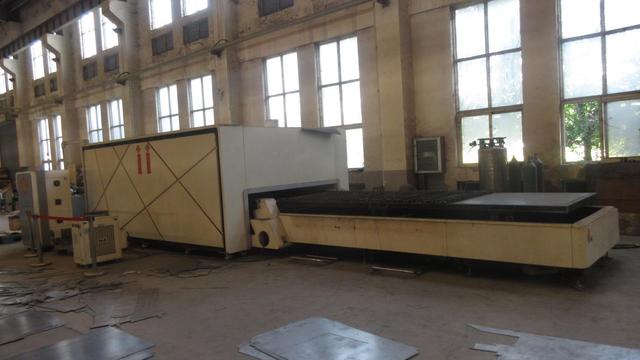
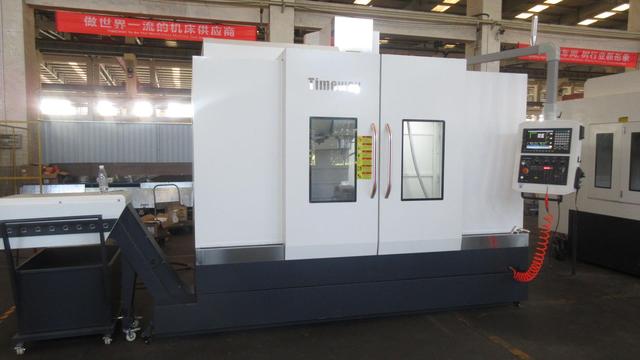
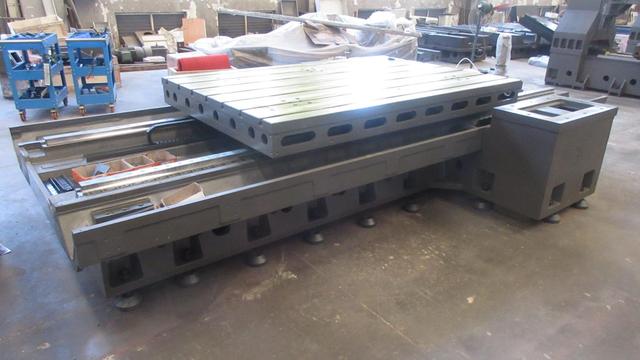
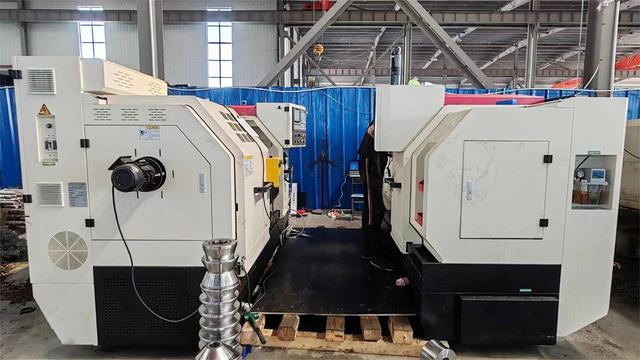
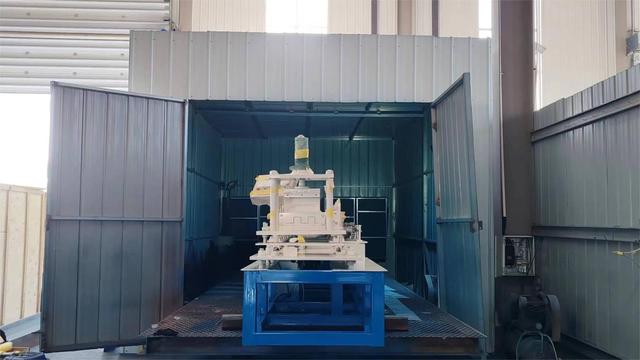
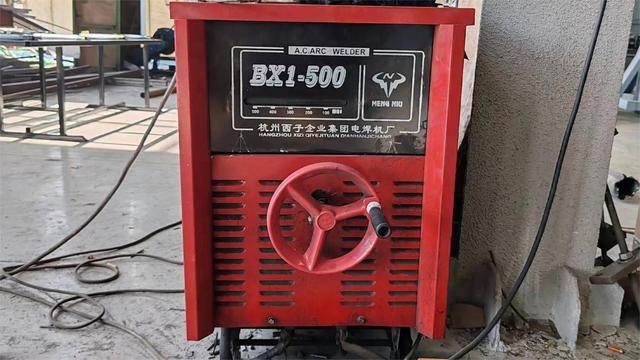
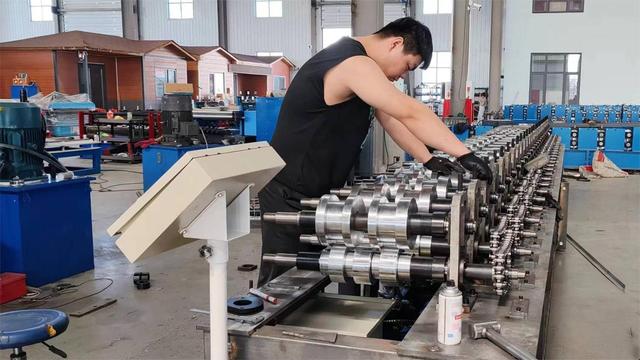
Every local manufacturing ecosystem has its own structural requirements. Our CNC custom machining works directly with engineers across Portugal to develop and supply application-ready components.
Supplying structural sensor brackets, alignment pins, and end-of-arm tooling components designed specifically for automotive assembly lines near Palmela, maintaining high fatigue resistance and structural endurance.
Anti-corrosive stainless steel parts and marine brass connectors designed to withstand high salinity levels for maritime logistics equipment operated along Lisbon's coastal terminals and shipyards.
Custom anodized aluminum chassis, heat sinks, and panels machined to shield delicate electronics for medical device companies and scientific institutions centered in Lisbon's modern research parks.
By partnering with an established manufacturing powerhouse based in Hangzhou, Lisbon industries gain distinct operational advantages that are difficult to match domestically:
Our direct integration with major raw material suppliers in China guarantees the availability of premium metals, from structural steel alloys to lightweight, high-performance plastics. This minimizes procurement delays, ensuring stable prices despite global raw material volatility.
Our facility operates multiple shifts, allowing us to pivot from rapid prototyping of a few test units to producing large production runs of thousands of pieces without bottlenecking. This elastic production capacity helps Lisbon companies meet seasonal demand spikes.
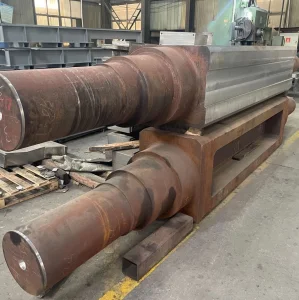
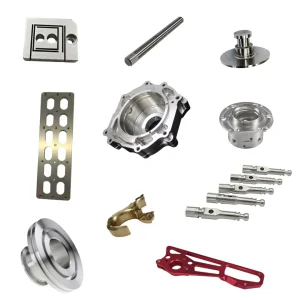
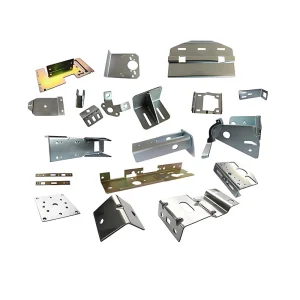
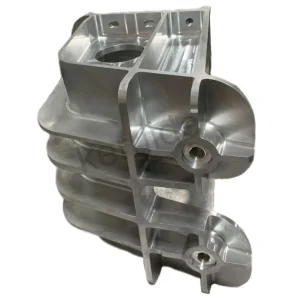
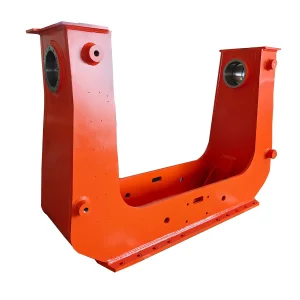
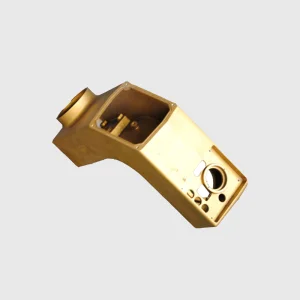
Browse our extensive manufacturing portfolio, illustrating our versatility across sheet metal stamping, CNC laser cutting, specialized aeronautic component fabrication, and complex housing structures.
To remain competitive over the next decade, manufacturers and designers must align their structural configurations with key technological and ecological trends shaping the fabrication landscape:
Utilizing machine learning to optimize tool movements reduces mechanical vibration, extends tool lifespan, and delivers clean surface finishes directly from the CNC chamber.
Collecting and processing clean scrap turnings for reuse minimizes waste. Using bio-degradable coolants keeps production lines compliant with evolving EU environmental mandates.
Machining advanced, temperature-resistant alloys like Inconel, Monel, and Grade 5 Titanium to meet the requirements of aerospace, defense, and subsea structures.
Get direct answers to common questions about technical specifications, logistics to Portugal, quality verification, and custom design processes.
Typically, prototyping runs take 3 to 7 working days, while mass production timelines range from 2 to 3 weeks depending on design complexity. Shipping to Lisbon is fast: express air courier (DHL, FedEx) takes 5 to 7 business days, while cost-efficient maritime freight to the Port of Lisbon takes approximately 30 to 35 days.
We provide comprehensive documentation with every delivery, including raw material certificates (MTR) confirming chemical compositions. Dimensions are verified using calibrated equipment, including Coordinate Measuring Machines (CMM) and optical comparators, to guarantee conformity with ISO 2768 (medium/fine) standards.
We accept standard 3D CAD files in STEP (.step, .stp), IGES (.igs), and SolidWorks (.sldprt) formats. For dimensional tolerances and thread specifications, please include a matching 2D PDF drawing.
Yes. We routinely machine marine-grade components from 316 and 316L Stainless Steel, Copper-Nickel alloys, and C36000 series Naval Brass. We also offer specialized passivation and hard-coat anodizing to enhance corrosion resistance.
Get in touch with our engineering team for a professional DFM review and a detailed quotation for your project.
 Robotic CNC