In modern high-precision manufacturing, traditional subtractive machining methods often fall short when dealing with superalloys, high-strength steels, and complex geometries. As aerospace, automotive, medical, and semiconductor fields push boundaries, CNC Electrolytic Machining (ECM) has emerged as a cornerstone technology. Unlike traditional milling or turning that relies on mechanical shear stress, ECM uses anodic dissolution to remove metal atom-by-atom. This electro-chemical process ensures zero tool wear, eliminates thermal stress, and prevents micro-cracking, resulting in impeccable surface finishes.
By pairing electrolytic action with multi-axis Computer Numerical Control (CNC), manufacturers can steer the cathodic tool with micro-level precision. This synergy allows for the machining of intricate internal paths, thin-walled structures, and highly complex profiles that would otherwise deform or fracture under traditional machining forces.
Procuring raw metal parts is straightforward, but finding a long-term partner capable of custom OEM CNC Electrolytic Machining requires a deep assessment of engineering capability, process control, and compliance. Global supply chains rely heavily on partner expertise to streamline the design-for-manufacturing (DFM) phase, minimize cycle times, and meet tight tolerance constraints. Leading OEM manufacturers act as strategic engineering resources, delivering optimized tooling design, custom-formulated electrolytes, and precise simulation models before production begins.
At its core, ECM operates on Faraday's Laws of Electrolysis. The workpiece acts as the positive anode, while the CNC-guided tool acts as the negative cathode. A high-velocity electrolyte solution (typically aqueous sodium chloride or sodium nitrate) is pumped under high pressure through the narrow gap (usually 0.1mm to 0.5mm) between the anode and cathode. When a low-voltage, high-density direct current (DC) is applied, metal atoms on the workpiece surface lose electrons and dissolve into the electrolyte as metal hydroxides.
This controlled electrochemical dissolution removes material at a rate proportional to the current density and chemical properties of the alloy. Because there is no direct physical contact between the tool and the workpiece, the tool does not wear out. This physical isolation allows a single cathode tool to produce thousands of identical, highly complex parts with zero degradation in accuracy—an advantage that traditional mechanical tools cannot match.
Atom-by-atom material removal driven by low-voltage, high-current electrolysis, ensuring zero stress and no structural distortion.
High-pressure flow washes away reaction products and heat, preventing passivation layers and keeping the gap clean.
Without mechanical cutting or electrical spark thermal spikes, the material retains its original grain structure and hardness.
CNC Electrolytic Machining is vital for industries working with tough superalloys (such as Inconel, Hastelloy, Titanium, and Cobalt-Chromium) or delicate thin-walled designs. Below is a breakdown of how key industries utilize OEM CNC-ECM technologies:
Aircraft engines and turbines require turbine blades, blisks (bladed disks), and combustion chambers made of heat-resistant alloys. Standard CNC milling struggles with these tough metals, leading to fast tool wear and potential micro-cracking. CNC-ECM machines turbine blades with smooth aerodynamic profiles, zero residual stresses, and pristine integrity, helping prevent fatigue failure during operation.
Biomedical components, such as joint replacements, dental implants, and surgical instruments, require strict biocompatibility and clean surfaces. Standard machining processes can leave burrs, micro-scratches, or chemical contamination from tool wear. CNC-ECM delivers clean, burr-free surfaces on titanium and cobalt-chromium implants, reducing post-processing requirements and lowering the risk of bacterial buildup.
The semiconductor industry relies on ultra-pure fluid systems, vacuum chambers, and gas delivery components. The internal surfaces of these parts must have a low surface roughness (Ra) to prevent particle accumulation. CNC-ECM cleans and shapes complex internal channels without leaving mechanical grooves, achieving a smooth finish that supports high-vacuum and cleanroom standards.
As a key player in custom manufacturing, Hangzhou Robotic CNC Co., Ltd. is a professional CNC turning and milling parts manufacturer specializing in delivering high-precision machining solutions for a wide range of industrial applications. Based in Hangzhou, China, the company integrates advanced CNC technology, skilled engineering expertise, and strict quality control systems to produce reliable and consistent machined components.
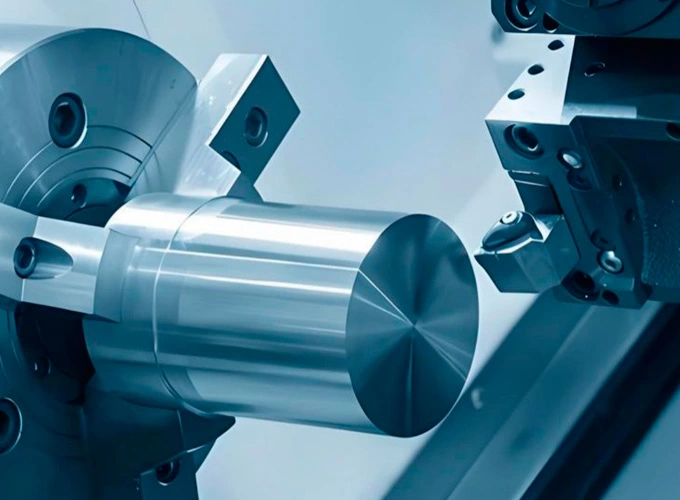
The company’s core capabilities include multi-axis CNC machining, precision turning, milling, drilling, and custom part manufacturing across various materials such as aluminum, stainless steel, carbon steel, brass, and engineering plastics. Its products are widely used in industries including automotive, robotics, electronics, machinery, aerospace, and industrial automation.
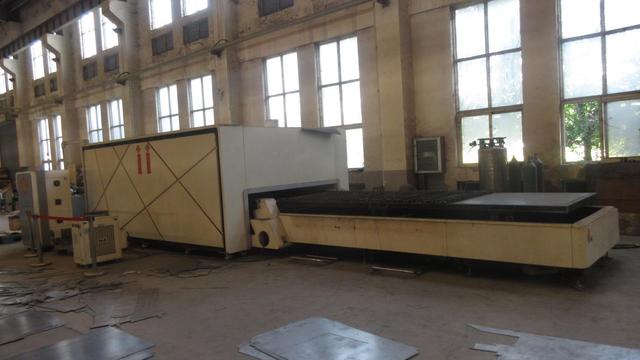
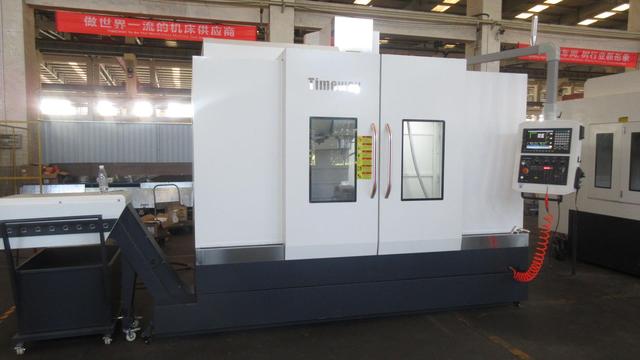
Hangzhou Robotic CNC is committed to meeting the exact specifications of its global customers by offering flexible customization, rapid prototyping, and efficient mass production services. With modern production equipment and standardized inspection processes, the company ensures tight tolerances, superior surface finishes, and stable product quality.
Driven by innovation and continuous improvement, Hangzhou Robotic CNC Co., Ltd. focuses on providing cost-effective, high-quality precision machining solutions. The company aims to build long-term partnerships with clients worldwide by delivering dependable products, responsive service, and professional technical support for diverse engineering and manufacturing needs.
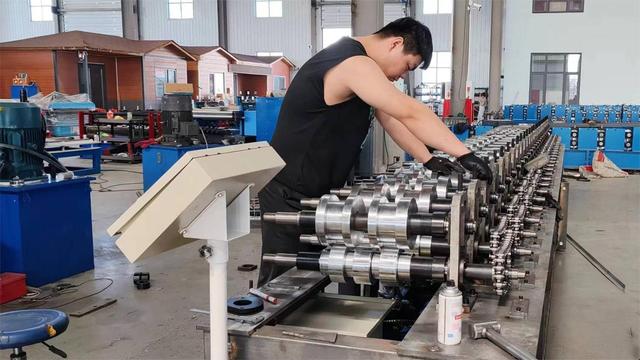
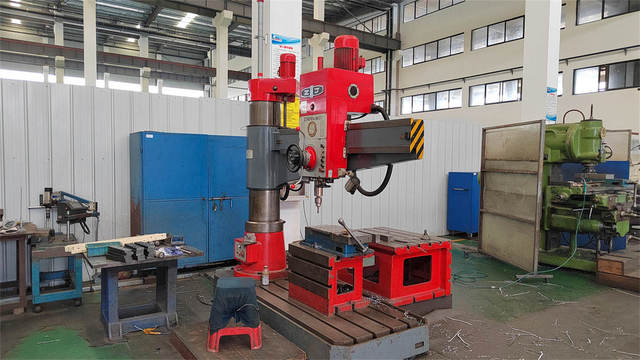
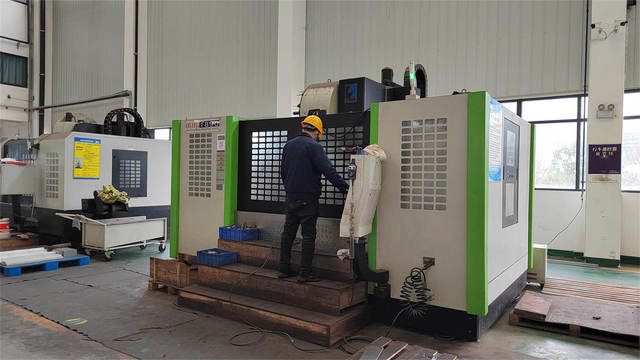
The manufacturing industry is evolving toward hybrid setups that combine multiple processes in a single run. As parts become more complex, the industry is moving from standalone ECM systems to integrated solutions:
When selecting an OEM partner for CNC electrolytic machining, global buyers prioritize strict compliance and quality metrics. A reliable supplier must offer robust quality assurance protocols, including:
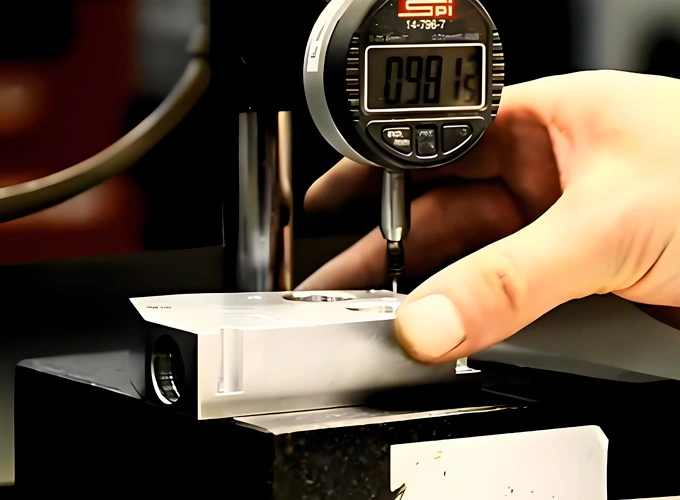
Coordinate Measuring Machines (CMM) and optical scanners verify critical dimensions, ensuring the final parts match the original design specifications.
Stylus and non-contact laser profilometers verify surface finishes, ensuring the parts meet the friction, seal, or cleanroom requirements of the application.
Partners must provide material certificates (MTRs) and verify compliance with international regulations such as RoHS and REACH. Additionally, modern facilities must manage electrolyte disposal and waste treatment responsibly to minimize environmental impact.
1. What materials are best suited for CNC Electrolytic Machining (ECM)?
ECM works well with conductive metals, regardless of their mechanical hardness. It is commonly used for high-strength alloys like Titanium, Inconel, Hastelloy, tool steels, stainless steels, and cobalt-chromium. Non-conductive materials like plastics, ceramics, and glass cannot be machined using ECM.
2. How does CNC-ECM compare to Electrical Discharge Machining (EDM)?
EDM relies on thermal energy from electric sparks to melt and vaporize metal, which leaves a heat-affected zone (HAZ) and a recast layer that may require post-processing. In contrast, ECM uses cold electrochemical dissolution, which creates no heat-affected zone, leaves a stress-free surface, and results in zero tool wear.
3. What dimensional tolerances can be achieved with custom OEM CNC-ECM?
Standard ECM systems achieve tolerances around ±0.05 mm. With advanced Pulse Electrochemical Machining (PECM) and precise tooling setups, tolerances can be controlled within ±0.005 mm (5 microns), meeting the high-precision demands of aerospace and medical industries.
4. Why is the tooling design critical in custom ECM applications?
In ECM, the cathode tool shape is not identical to the final part geometry because the material dissolution rate varies with the gap size and current density. Designers must use advanced flow simulations to shape the cathode properly, ensuring the final part meets dimensional requirements.
5. Are there environmental concerns associated with ECM?
The ECM process generates metal hydroxides as byproducts suspended in the electrolyte solution. Modern manufacturing facilities use closed-loop filtration systems to remove these metal solids, allowing the clean electrolyte to be reused while disposing of the filtered waste in compliance with environmental standards.
6. How cost-effective is CNC-ECM for small batch prototypes?
Because ECM requires custom cathode tooling and process development, it has higher initial setup costs than standard CNC milling. It is most cost-effective for large-volume production or when working with hard materials and complex geometries where traditional mechanical tooling is slow or prone to high wear.
 Robotic CNC