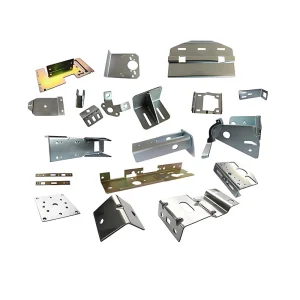
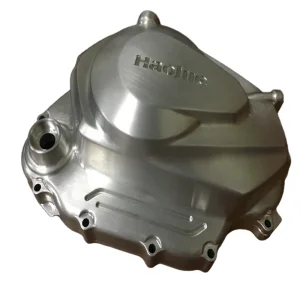
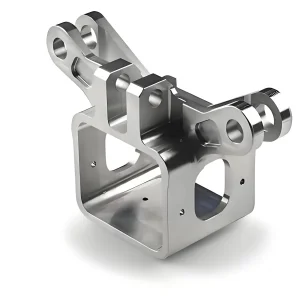
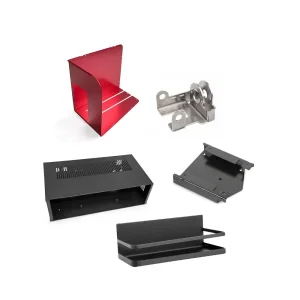
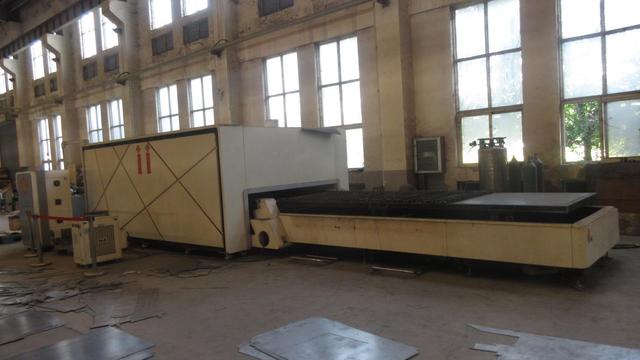
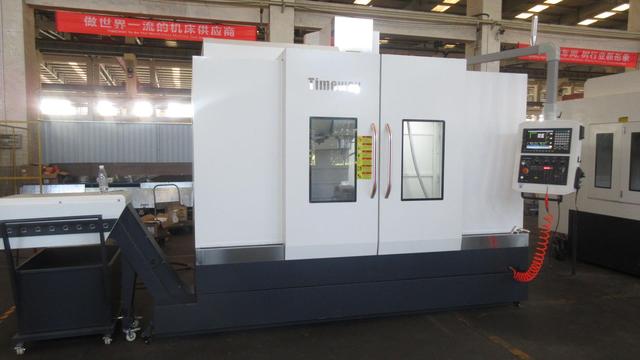
Hangzhou Robotic CNC Co., Ltd. is a premier manufacturer specializing in high-precision CNC turning, milling, and composite machining solutions. Based in the heart of China’s manufacturing hub, Hangzhou, we bridge the gap between traditional engineering and modern automation.
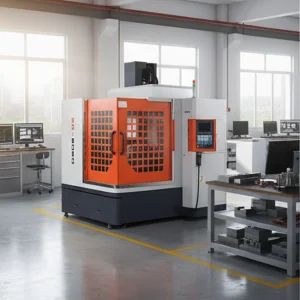
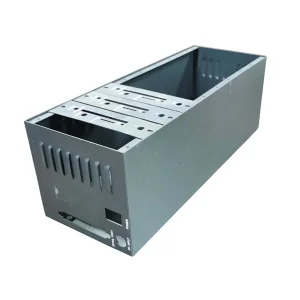
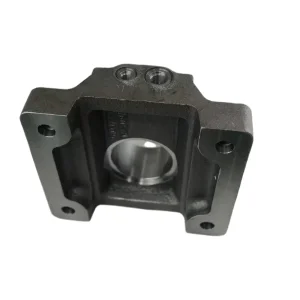
Our core competency lies in our ability to manage the entire lifecycle of precision parts—from rapid prototyping and material sourcing to large-scale production. We leverage state-of-the-art multi-axis CNC machines to achieve tolerances that meet aerospace and robotics industry standards.
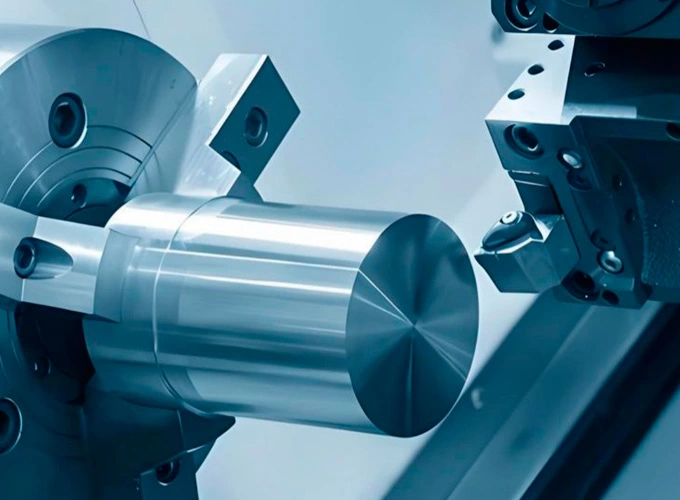
In the contemporary manufacturing landscape, CNC Composite Machining represents the zenith of material engineering. Unlike traditional metalworking, composite machining requires a deep understanding of structural integrity, thermal management, and tool path optimization to prevent material delamination and ensure part longevity.
At Hangzhou Robotic CNC, we are moving beyond simple subtractive manufacturing. Our current roadmap integrates AI-driven predictive maintenance and IoT-enabled quality assurance. This ensures that every composite workpiece adheres to rigorous specifications, minimizing waste and maximizing efficiency. Future outlooks focus on hybrid manufacturing—combining additive manufacturing (3D printing) with advanced CNC finishing for complex geometries.
Global industrial supply chains are shifting toward localized resilience. China remains the indispensable backbone of this shift. Our factory excels by offering:
Lightweight composite components requiring high strength-to-weight ratios for flight stability.
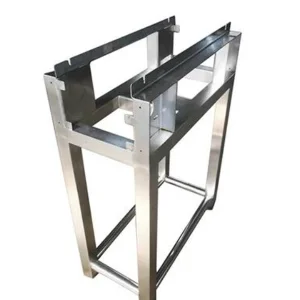
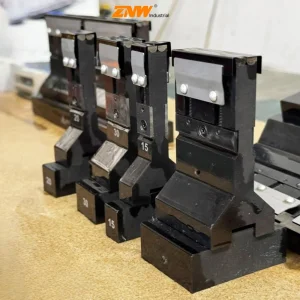
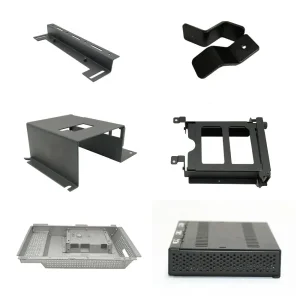
Custom fixtures and jigs designed for rapid robotic assembly lines.
Machined parts requiring biocompatible surface finishes and tight, sterile tolerances.
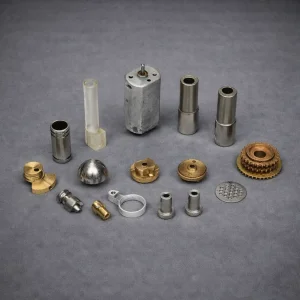
We work extensively with titanium alloys, stainless steel, high-grade aluminum, brass, and industrial-grade engineering plastics. We also have specialized tooling for advanced composite materials.
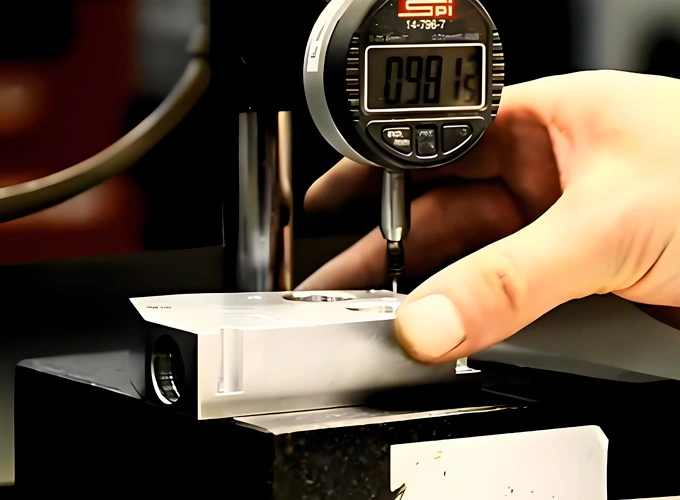
Every component undergoes a multi-stage inspection process, including CMM (Coordinate Measuring Machine) verification, surface roughness testing, and non-destructive testing where required.
Rapid prototyping can be turned around in as little as 3-5 days. Full-scale production timelines depend on volume and complexity, typically ranging from 2-4 weeks.
 Robotic CNC