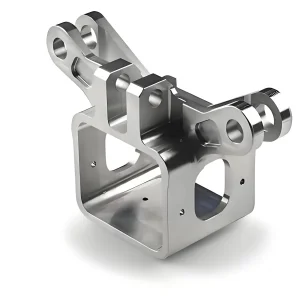
Custom OEM Automated CNC Processing Supplier & Suppliers

High-Precision Multi-Axis CNC Turning, Advanced Automated Milling, and Dynamic Supply Chain Solutions for Global Heavy Industry, Medical, and Robotics Engineering

Hangzhou Robotic CNC Co., Ltd.

Hangzhou Robotic CNC Co., Ltd. is an industry-leading, professional CNC turning and milling parts manufacturer specializing in delivering high-precision, close-tolerance machining solutions for a diverse range of complex industrial applications. Centered in Hangzhou, China—a region renowned for high-technology development and industrial robotics infrastructure—the company seamlessly integrates advanced multi-axis CNC technology, highly skilled engineering expertise, and strict quality control protocols to produce exceptionally reliable, repeatable components.

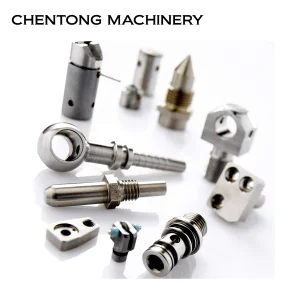
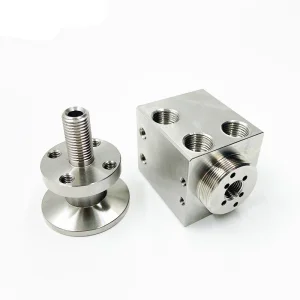
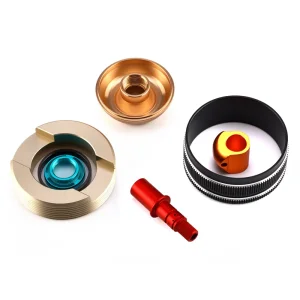
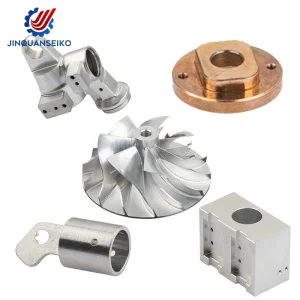
Our core manufacturing capabilities cover multi-axis CNC machining, high-accuracy precision turning, horizontal and vertical milling, automated deep-hole drilling, and highly custom part fabrication. We process a wide range of materials, including aerospace-grade aluminum, hardened stainless steel, structural carbon steel, corrosion-resistant brass, high-conductivity copper, and high-performance engineering plastics (such as PEEK, POM, and Acrylic).

We remain deeply committed to meeting the exacting requirements of our global customers by providing scalable production options—ranging from micro-machined rapid prototypes to high-volume, automated mass production. Utilizing state-of-the-art machinery and rigorous coordinate inspection systems, we guarantee tight geometric dimensioning and tolerancing (GD&T), smooth surface finishes, and stellar product consistency.
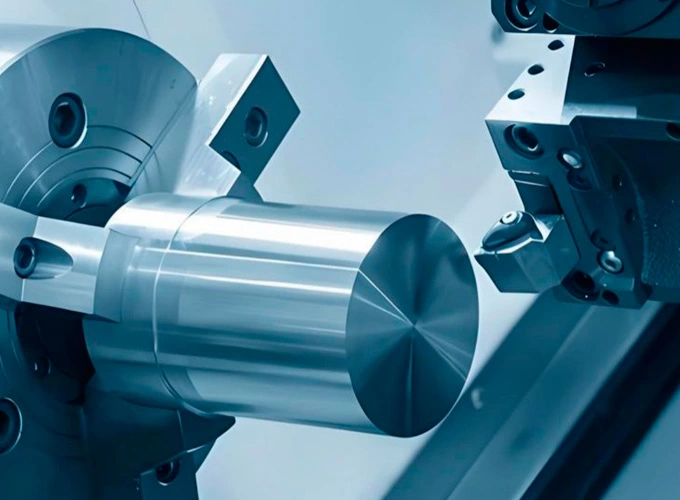
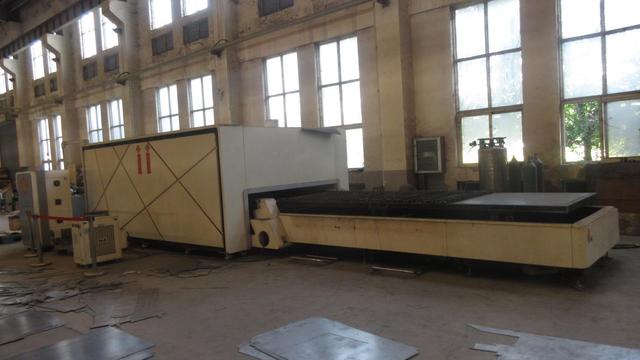
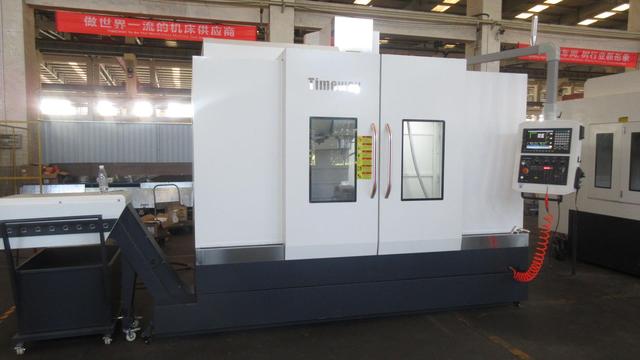
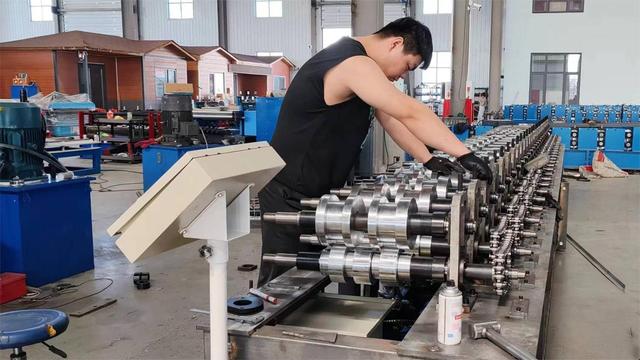
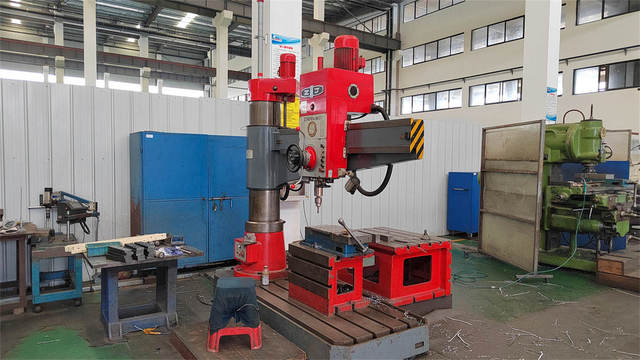
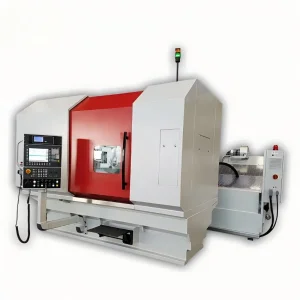
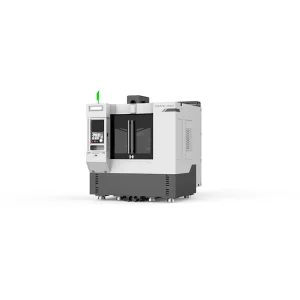
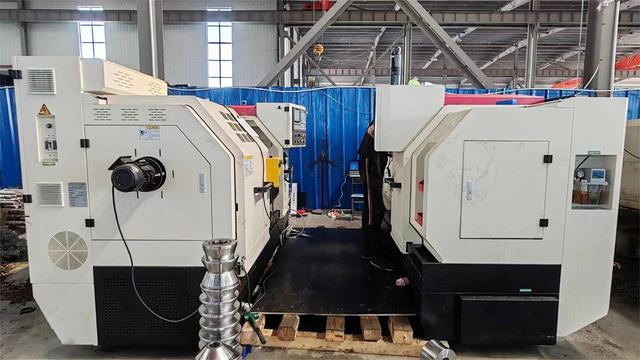
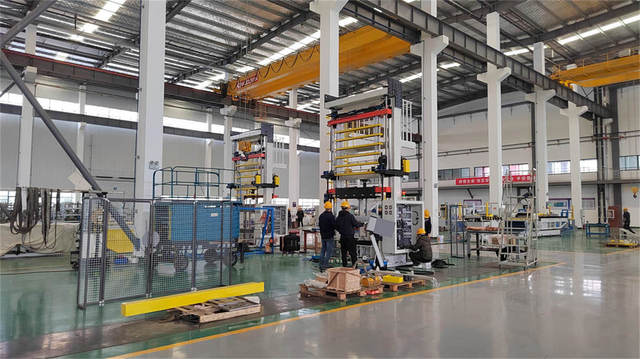
Hangzhou Robotic CNC Advanced Production Line
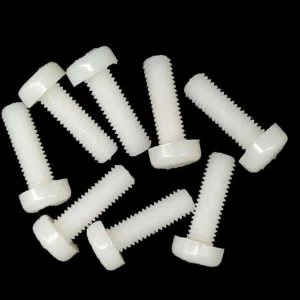
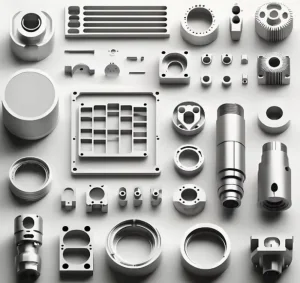
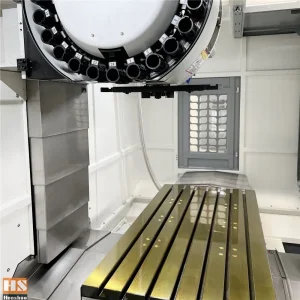
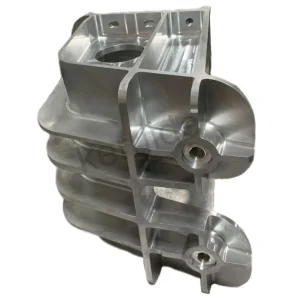
Multi-Axis Machining Center Operations Automated CNC Quality Inspection Precision Machined Component Output

Global Industrial Standing & Strategic Capacity

In modern industrial manufacturing, automated CNC processing is the bridge between digital CAD modeling and real-world implementation. The global shift toward smart factory integration and "lights-out" overnight manufacturing has forced supply lines to transition to digital, sensor-monitored environments. At Hangzhou Robotic CNC Co., Ltd., we occupy a key position in this system, ensuring that precision-critical sectors receive zero-defect components with short lead times.
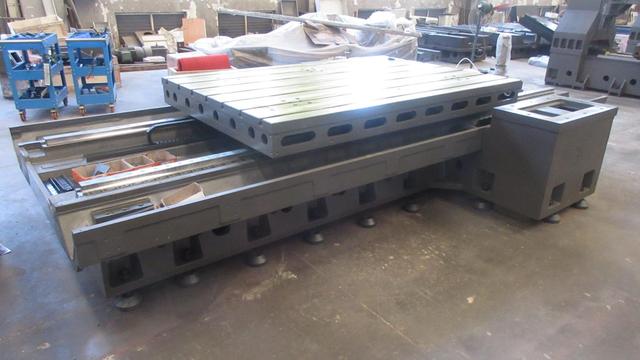
±0.005mm
Achievable Tolerance
5-Axis
Simultaneous Machining
100%
Material Traceability
50+
Export Destination Nations
Automotive & EV Systems
Production of lightweight structural aluminum flanges, heat sinks, transmission control components, and critical custom steel motor shafts designed for electric vehicle architectures.
Robotics & Smart Grippers
High-rigidity joint components, rotational knuckles, customized gear housings, and miniature structural parts fabricated to support precise payload-to-weight demands.
Medical Instrumentation
Surgical-grade stainless steel and biocompatible titanium parts, including custom screws, orthopedic implants, structural chassis, and laboratory fluidic blocks.
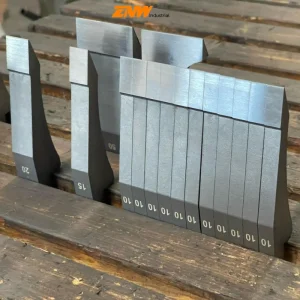
Raw Stock Ready for Automated Milling Complex Metal Turning Operations

China's Manufacturing Hub Resilience

Building high-volume supply chains involves managing logistics, material supply lines, and production infrastructure. Choosing a manufacturing partner based in Hangzhou, China, provides distinct geographical and structural advantages:

  • Advanced Industrial Clusters: The Yangtze River Delta region is the world's most concentrated cluster for tooling, surface finishing (including anodizing, passivation, and PVD coating), and specialty metallurgy. This eliminates external transit times for post-processing.
  • Direct Port Access: Close proximity to both Shanghai and Ningbo-Zhoushan ports enables flexible ocean freight options, while rapid-transit air links ensure that prototypes reach North American or European sites within 3 to 5 business days.
  • Raw Material Availability: Immediate domestic sourcing of certified, trace-analyzed aluminum (6000 & 7000 series), titanium alloys (Grade 5/Ti-6Al-4V), and specialty tool steels ensures we remain insulated from global raw stock volatility.

This deep supplier ecosystem translates directly into predictable cost structures, consistent component quality, and shorter lead times compared to fragmented localization plans.

The Evolution of CNC Automation

Our commitment to staying ahead of the industry curve involves transitioning from operator-dependent machining to fully automated, sensor-guided processes. Our ongoing and future R&D roadmap focuses on three main pillars:

AI-Assisted Toolpath Optimization

Deploying machine learning algorithms to analyze CAM files, automatically correcting toolpaths to minimize tool wear, prevent thermal distortion, and reduce cycle times by up to 25%.

Closed-Loop In-Situ Inspection

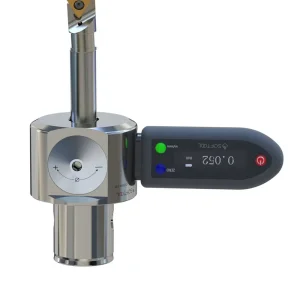
Integrating touch probes directly within the CNC workspace. The controller verifies critical dimensions mid-cycle and applies real-time offsets, maintaining target tolerances without removing parts from the fixture.

Robotic Loading & Unloading (Lights-Out)

Equipping our high-speed vertical milling centers with articulated cobots. This setup enables continuous 24-hour operations, reducing labor overheads and stabilizing part delivery schedules during peak production demand.
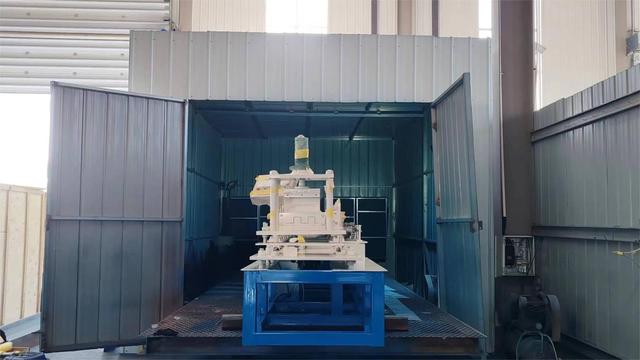
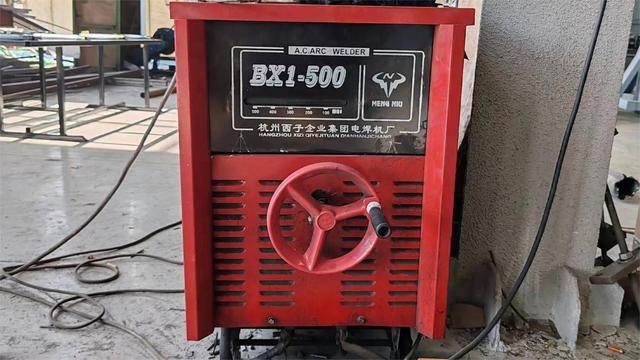
Automated Robotic Loading Arms
5-Axis Milling Spindle Details Lathe Turning Action Close-up Final Quality Check Cleanroom

Engineering Compliance & Quality Safeguards

Industrial components must perform reliably in harsh operational environments. To support critical applications, Hangzhou Robotic CNC operates under a comprehensive quality management system that ensures traceability from raw material receipt through to final shipment dispatch:

CMM Dimensional Verification: Our quality assurance labs are equipped with high-resolution Coordinate Measuring Machines (CMM) and optical comparators, checking critical profiles, thread depths, and hole alignments against customer-submitted engineering drawings.

Material Certification: Every production run is backed by official mill test reports (MTRs), verifying the chemical composition and mechanical properties of the underlying alloy. Certificates for secondary operations—such as heat treatment, plating, and anodizing—are standard deliverables.

Regulatory Compliance: We proactively align our operations with RoHS, REACH, and ISO standards, ensuring that parts shipped internationally satisfy all regional environmental and performance guidelines.
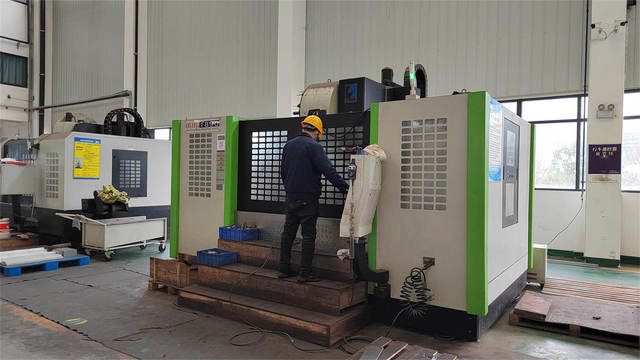
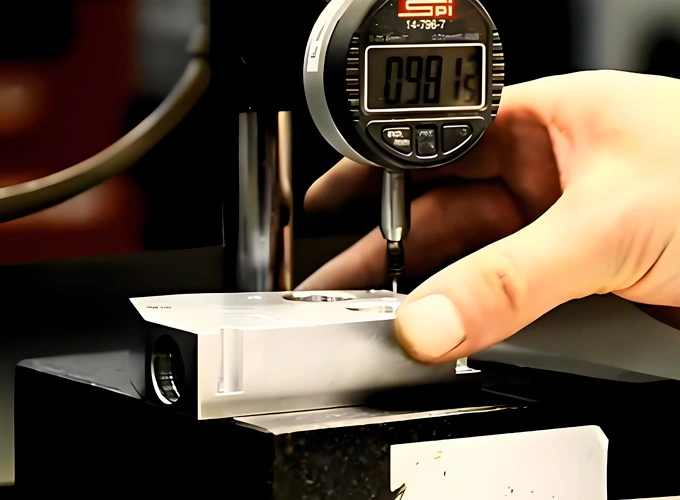
Precise Micrometer Thread Testing Precision Finished Component Assembly Finished Machined Orders Packaging Area

Frequently Asked Questions (FAQ)

What typical tolerances can Hangzhou Robotic CNC maintain for high-precision components?
For standard production runs, we maintain linear tolerances of ±0.01mm. In critical applications, and depending on the material selection and geometry, we can achieve tolerances down to ±0.005mm on our high-performance vertical machining centers. We verify these tolerances using our calibrated coordinate measuring equipment.
Which materials do you machine most frequently in your facility?
Our CNC turning and milling services process a broad spectrum of metals and plastics. These include Aluminum (6061-T6, 7075-T6, 5052), Stainless Steel (303, 304, 316, 17-4 PH), Carbon Steel, Brass, Copper, Titanium (Gr. 5), as well as engineering plastics like Delrin (POM), PEEK, Acrylic, and Polycarbonate.
Do you offer design for manufacturability (DFM) reviews prior to tooling?
Yes. Our engineering team reviews all CAD designs and blueprint submissions. We identify opportunities to simplify setups, reduce deep pockets that lead to tool deflection, optimize thread depth requirements, and suggest adjustments that lower unit costs while maintaining structural integrity.
How does your factory ensure material traceability and quality compliance?
All raw material stocks are tagged upon receipt and cross-referenced with mill test reports (MTR). Material routing sheets trace each batch through machining, inspection, surface treatment, and packaging. Certificates of compliance (CoC) are available upon request.
What are your minimum order quantities (MOQ) and lead times?
We are set up for both rapid prototype development and volume production. We do not impose rigid MOQs; we accommodate single-unit prototypes as well as production runs of over 10,000 units. Typical lead times range from 3 to 7 days for quick-turn prototypes and 15 to 25 days for production orders.
What secondary surface finishes do you provide?
We offer a comprehensive selection of finishes through our qualified local network. Options include Type II and Type III (Hardcoat) Anodizing, Passivation, Alodine/Chem Film, Electroless Nickel Plating, Powder Coating, Sand Blasting, Laser Engraving, and tumbling for edge deburring.