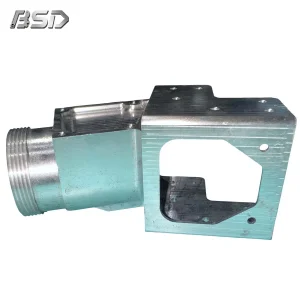
Top 10 Additive Manufacturing Exporter & Exporters

Deciphering Global Supply Chains: The Strategic Convergence of Industrial 3D Printing and Advanced CNC Precision Milling

Premium Precision Component Systems

Explore our leading export line of high-durability internal boring tools, CNC-milled structural components, and custom machining equipment.
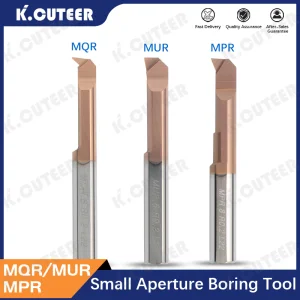
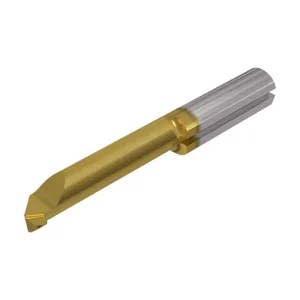
Small Aperture Boring Knife Mur/Mpr/Mqr

Small Aperture Boring Knife Mur/Mpr/Mqr High Hardness Inner Hole Boring Bar

View Product Details
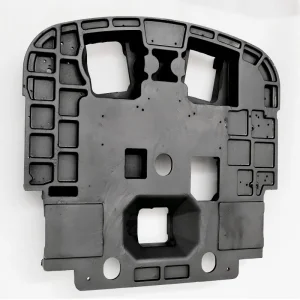
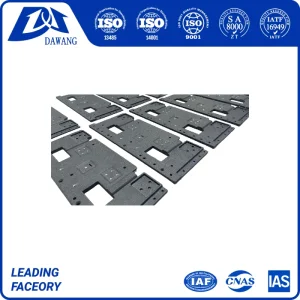
Dawang Precision Custom CNC Machining

Dawang Precision Custom CNC Machining Service for Prototype Rapid Tooling Low Volume Production with Fast Delivery Titanium Alloy Machining

View Product Details
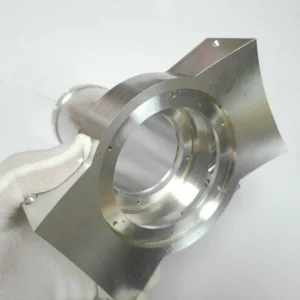
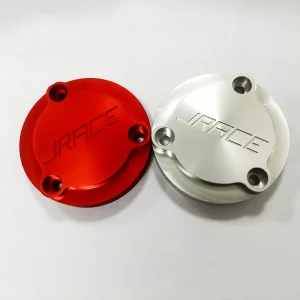
High-Performance Aluminium CNC Milling

High-Performance Aluminium CNC Milling and Engraving for Complex Designs

View Product Details
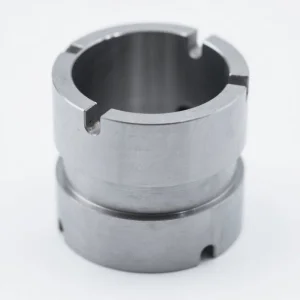
CNC Customized Aluminum Turning Parts

CNC Customized Aluminum Turning Parts CNC Vertical Machining Center MB 46va

View Product Details
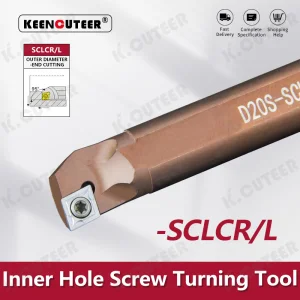
CNC Tool Holder Sclcr06

CNC Tool Holder Sclcr06 Lathe Tool Holder for Small Inner Hole Boring

View Product Details
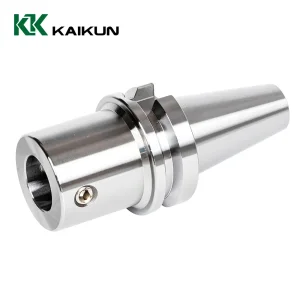
Side Milling Cutter Handle

Side Milling Cutter Handle Powerfu CNC Tool Handle Powerful Dust-Proof and Shockproof Machining Center with High Speed and High Precision Sk40-GSK06-70

View Product Details
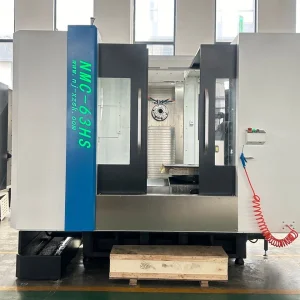
Nmc125s CNC Horizontal Machining Center

Nmc125s CNC Horizontal Machining Center with High Precision and Speed

View Product Details
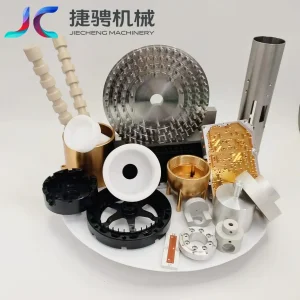
Professional CNC Routing Service

Professional CNC Routing Service Small Lathe Parts Machining Products

View Product Details

Strategic Executive Summary

In the current industrial revolution, the global manufacturing sector is undergoing a profound paradigm shift. The integration of additive manufacturing (AM), commonly referred to as industrial 3D printing, alongside advanced subtractive CNC machining has redefined production possibilities. Global procurement teams are no longer searching merely for component suppliers; they seek comprehensive, high-tier export manufacturing partners capable of delivering hybrid engineering solutions.

Hangzhou Robotic CNC Co., Ltd. stands at the forefront of this industrial convergence. As a premier manufacturer specializing in CNC turning and milling, the company acts as a vital bridge between additive geometric generation and extreme subtractive tolerance control. Operating out of the technological manufacturing cluster of Hangzhou, China, we integrate multi-axis precision machining, rapid tool development, and customized low-to-high volume production structures to service highly demanding international industrial fields.
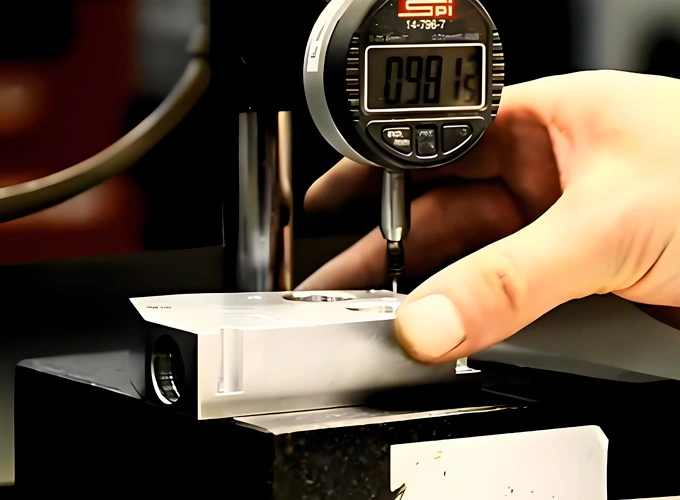
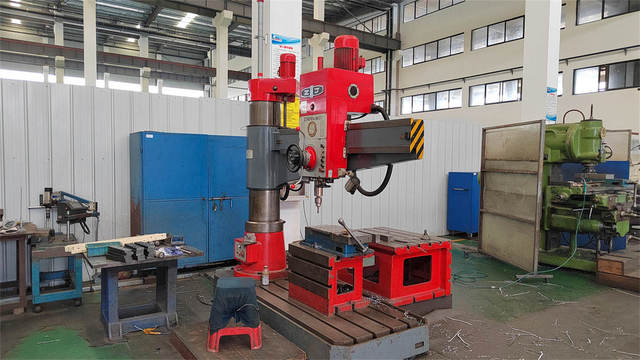
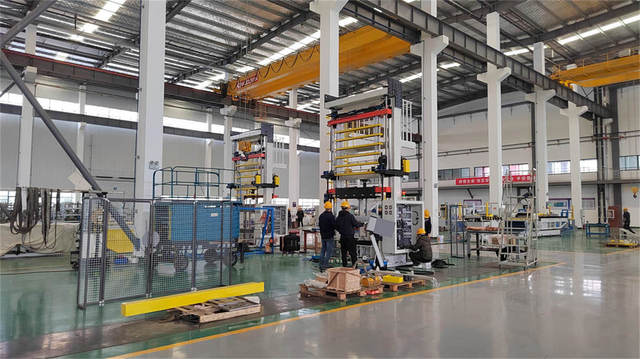
Hangzhou Robotic CNC Production Facility

"The future of aerospace, medical implants, and robotics does not lie in choosing additive manufacturing over CNC milling, but rather in leveraging the structural freedom of 3D printing and finalizing it with the sub-micron accuracy of subtractive CNC systems."

Our Corporate Foundations & Core Capabilities

Our operational philosophy focuses on engineering stability, material versatility, and absolute geometric accuracy. Standard additive techniques, while superior in generating internal hollow pathways, lattice structures, and organic weight-saving geometries, naturally present rough surface finishes (often exceeding 10–15 μm Ra) and dimensional deviations that fail the requirements of aerospace interfaces or high-velocity rotational shafts.

This is where our specialized machining operations become indispensable. We offer post-processing and precision-milling services that achieve tolerances within ±0.005mm. Leveraging automated CNC vertical machining centers, heavy-duty lathe tools, and ultra-high hardness boring equipment, we refine raw additive components, transforming them into assembly-ready precision components.

Engineered Precision by the Numbers

A statistical breakdown of our manufacturing tolerances, capacity limits, and quality benchmarks.
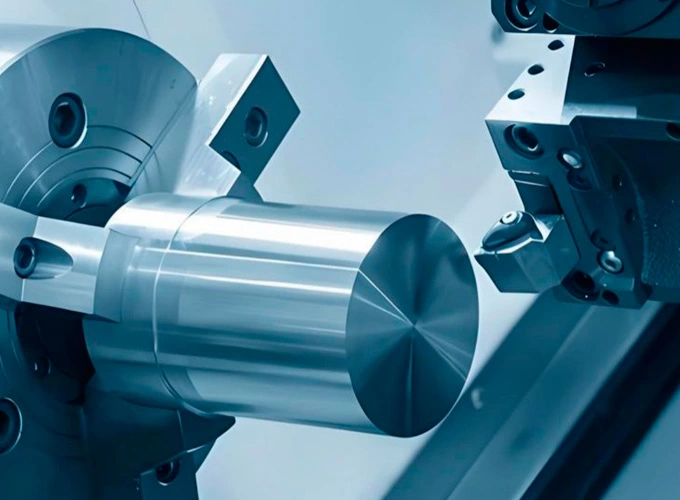
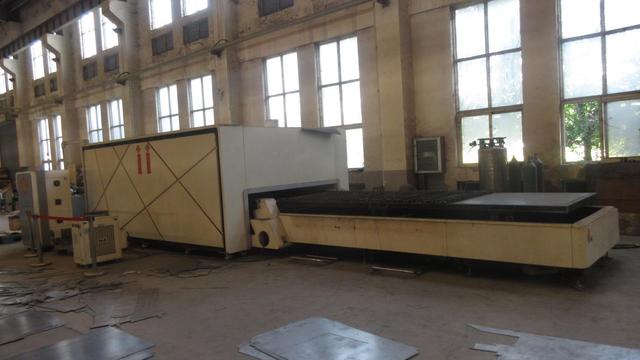
±0.005mm
Dimensional Tolerance Limits
Ra 0.4μm
Achievable Surface Roughness
15+
Export Target Countries
100%
Material Traceability Guarantee

Understanding The Hybrid Workflow: SLM/DMLS Additive Platforms Combined with CNC Finishing

Industrial clients seeking the "Top 10 Additive Manufacturing Exporter & Exporters" often struggle with component completion. A part printed using Selective Laser Melting (SLM) or Direct Metal Laser Sintering (DMLS) from titanium alloy or aluminum powder has high tensile strength but possesses a surface layer showing staircase effects, un-melted powder particles, and high residual stress.

The required workflow always involves:

  1. Thermal Stress Relief: Vacuum heat treatment to remove internal thermal gradients caused by laser scan tracks.
  2. Substrate Removal: Wire EDM or mechanical band sawing to detach components from the print build plate.
  3. Precision CNC Turning & Milling: Crucial for bearing journals, O-ring grooves, flange interfaces, and thread generation. This is where products like our High-Performance Aluminium CNC Milling and Engraving systems provide vital, sub-millimeter detailing.
  4. Internal Path Boring: Deep internal oil corridors or complex cooling paths require specialized tools such as our Small Aperture Boring Knife (Mur/Mpr/Mqr) and Nigel Piccol Carbide Boring Bars to guarantee internal dimensional consistency.
⚙️

Multi-Axis Complex Machining

Utilizing high-speed multi-axis CNC mills to sculpt compound curvatures without repositioning errors, ensuring concentricity and perfect alignments.

🔍

Structural Integrity Verification

Post-machined parts undergo non-destructive testing (NDT), coordinate measuring machine (CMM) reports, and structural inspections to eliminate void risks.

💡

Optimized Material Yield

By using near-net-shape additive blocks, we minimize the waste of expensive raw materials like Inconel, Titanium, and high-performance superalloys.
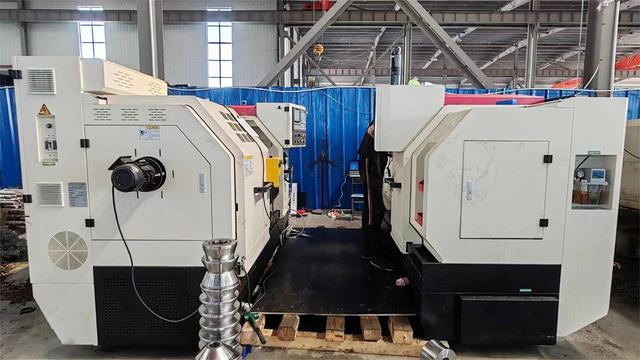
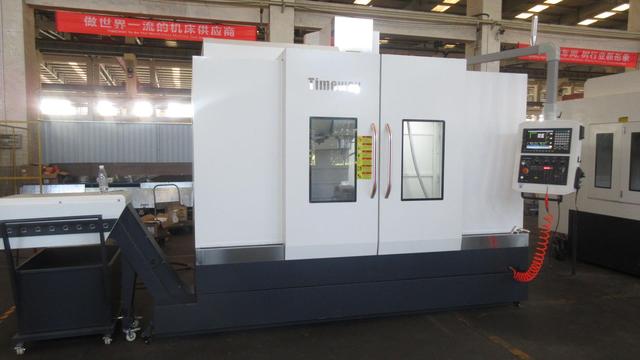
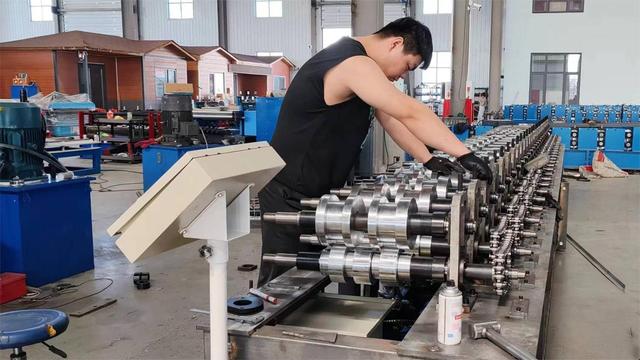
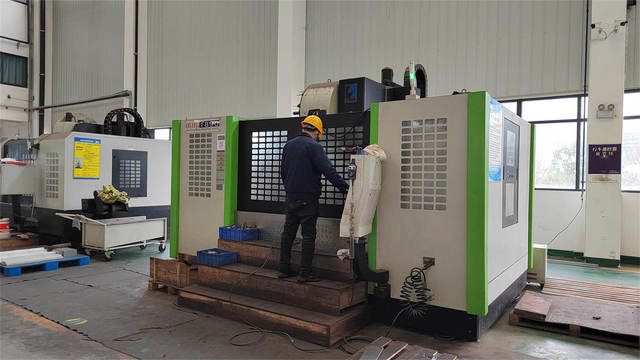
CNC Machining Workshop Operation

China's Additive & CNC Export Ecosystem

The concentration of component processing industries in the Yangtze River Delta offers unbeatable structural advantages to international buyers. At Hangzhou Robotic CNC Co., Ltd., we utilize this integrated supply chain network. The availability of high-grade metal powders (Titanium Grade 5, Aluminum AlSi10Mg, Stainless Steel 316L) coupled with local tooling manufacturers ensures rapid project startup.

Additionally, the close proximity to global shipping centers like Ningbo and Shanghai ports enables rapid sea, air, and multimodal logistics. While traditional domestic manufacturers in Western markets face long lead times and high machine rates, we provide a unified production pipeline—from initial raw block preparation and precision casting to final CNC finishing, surface coating, and custom packaging.
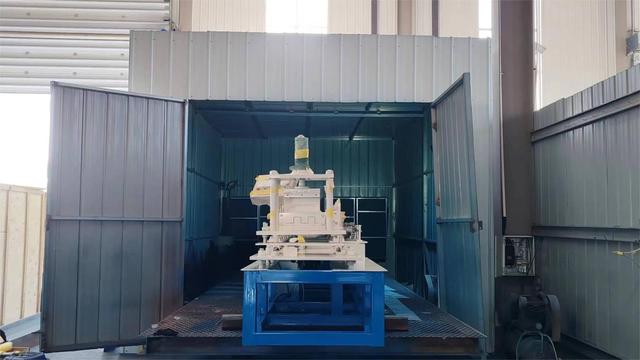
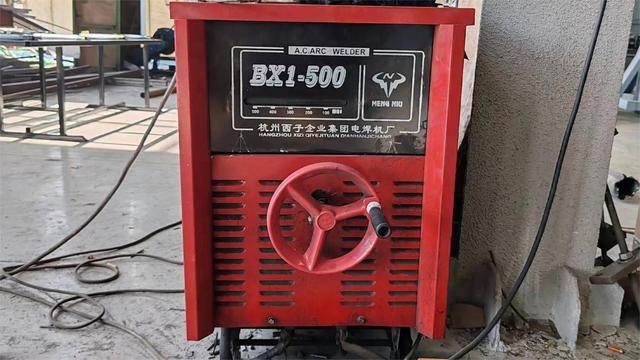
Global Standards & Custom Localization Support

To consistently function within the top tier of export suppliers, compliance and quality assurance are paramount. Global organizations in the United States, Germany, Japan, and other industrialized nations demand verifiable documentation. We guarantee that all metal alloys, turning elements, and CNC tools conform to established international specifications.

Our quality management procedures include:

  • ISO 9001:2015 Certifications: Formally establishing operational consistency across all multi-axis CNC machines and automated drilling configurations.
  • Material Traceability Reports (MTR): Comprehensive metallurgical trace data for every batch of custom-milled aluminum, titanium, or specialized tool steel.
  • RoHS & REACH Compliance: Ensuring all surface finishing treatments (anodizing, electroplating, passivation, chrome-free conversion coatings) are non-toxic and compliant with European environmental import directives.
  • Precision Inspection Equipment: Complete documentation using Coordinate Measuring Machines (CMM), digital optical comparators, and automated roughness testers to supply inspectable dimensions.

Targeted Application Scenarios of Hybrid Machined Components

The blend of additive flexibility and subtractive accuracy meets critical design demands across multiple industries:

🤖

Advanced Robotics & Automation

Optimized robotic arms require structural lightness combined with rigid bearing journals. Custom CNC milling handles complex joint housings, reducing weight while retaining dimensional accuracy.

✈️

Aerospace & Aviation Parts

Combustion chambers and fluid manifolds utilize additive paths for inner channels. Standard CNC boring and milling finish outer interface surfaces, preventing gas leaks and ensuring high-pressure stability.

🚗

Automotive Powertrains & EV Systems

Custom structural plates, EV motor housings, and heat exchanges demand complex cooling profiles. Precise CNC vertical machining matches structural components to precise EV battery pack frames.
Advanced Fabrications & Heavy Machining Equipment

Explore our secondary lineup of OEM rapid prototyping, sheet metal fabrications, and precision lathe components.
OEM Custom Rapid Prototype CNC Machining

OEM Custom Rapid Prototype CNC Machining Services Aluminum CNC Milling Automotive Car Motor CNC Machined Parts

View Product Details
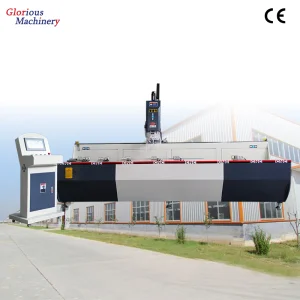
CNC Drilling Milling Centers

CNC Drilling Milling Centers Copy Routing Two Holes Cord Stopper Lock Hinge Hole Machine

View Product Details
Shenzhen Professional OEM Custom CNC Machined

Shenzhen Professional OEM Custom CNC Machined Sheet Metal Stamping Bending Welding Laser Cutting EDM Machining Fabrication Services

View Product Details
Custom CNC Machined Precision Aluminum Prototype

Custom CNC Machined Precision Aluminum Prototype Machining for Custom Machine Robot Arm

View Product Details
Precision CNC Machining for Metal and Plastic

Precision CNC Machining for Metal and Plastic Finishing Parts

View Product Details
Aluminum CNC Machining Parts Laser Cutting

Aluminum CNC Machining Parts Laser Cutting Metal Engraving Logo

View Product Details
Nigel Piccol Carbide Boring Bar

Nigel Piccol005.0100-30 IC228 Small Boring Tools Carbide Boring Bar Precision Boring Head for CNC Lathe Mill

View Product Details
High-Precision Customized CNC Milling

High-Precision Customized CNC Milling and Turning Services for CNC Machining of High-Speed Rail Components

View Product Details

Frequently Asked Questions

Expert insights covering high-precision machining, hybrid workflows, and custom manufacturing orders.

1. Why is CNC post-processing required for metal 3D printed components?
Metal 3D printing methods like SLM or DMLS create geometries by melting metal powders layer-by-layer. This leaves a surface roughness (Ra) of 10 to 15 microns and causes minor structural deviations. CNC post-processing (turning, milling, drilling, boring) finishes key contact areas (mating faces, bearing seats, threads) down to Ra 0.4 microns and maintains dimensional tolerances within ±0.005mm, which is critical for industrial assemblies.
2. How does Hangzhou Robotic CNC ensure material quality for international exports?
We purchase certified raw metals and aerospace-grade alloys directly from verified suppliers. Each order includes a Material Test Report (MTR) detailing chemical and physical properties. Additionally, our processing complies with RoHS and REACH standards, ensuring all final coatings (anodizing, electroplating, passivation) meet European import regulations.
3. What is the typical lead time for custom CNC prototypes and production runs?
Rapid prototyping projects are typically completed and shipped within 3 to 7 working days, depending on geometry and finishing. Low-volume production runs usually take 2 to 3 weeks, while large-scale runs are scheduled based on customer requirements. We use express air freight and ocean logistics to ensure fast, reliable delivery.
4. Can you machine extremely hard metals like Titanium Grade 5 or Inconel?
Yes. We specialize in working with tough materials, including titanium alloys (Ti-6Al-4V), stainless steel (316L, 17-4 PH), tool steel, and specialty engineering plastics. We use high-rigidity CNC tool holders and high-hardness inner hole boring bars (such as the Mur/Mpr/Mqr series) to ensure clean cuts, accurate geometries, and long tool life.
5. What design files do you require to generate an accurate manufacturing quote?
We accept standard 3D CAD files, including STEP, IGES, and Parasolid formats, to verify part geometry. We also ask for 2D PDF drawings that detail critical tolerances, surface roughness requirements, thread specifications, and any secondary surface treatments.