In the world of CNC machining, selecting the right materials is crucial. Many designers and engineers ask, "what materials can be used in CNC machining?" The choice directly impacts product quality, durability, and cost. This article explores the top ten materials widely used in China for CNC machining.
Understanding the properties of each material is vital. For instance, metals like aluminum and steel offer strength but differ in weight and machinability. Plastics like polycarbonate and nylon provide flexibility but might not withstand high temperatures. Recognizing these nuances can lead to better design decisions.
Many often underestimate the importance of material selection. An inappropriate choice can lead to failures in craftsmanship. Thus, a careful evaluation of material properties is necessary. By diving into the details of these top materials, we aim to guide your CNC machining ventures toward successful outcomes.
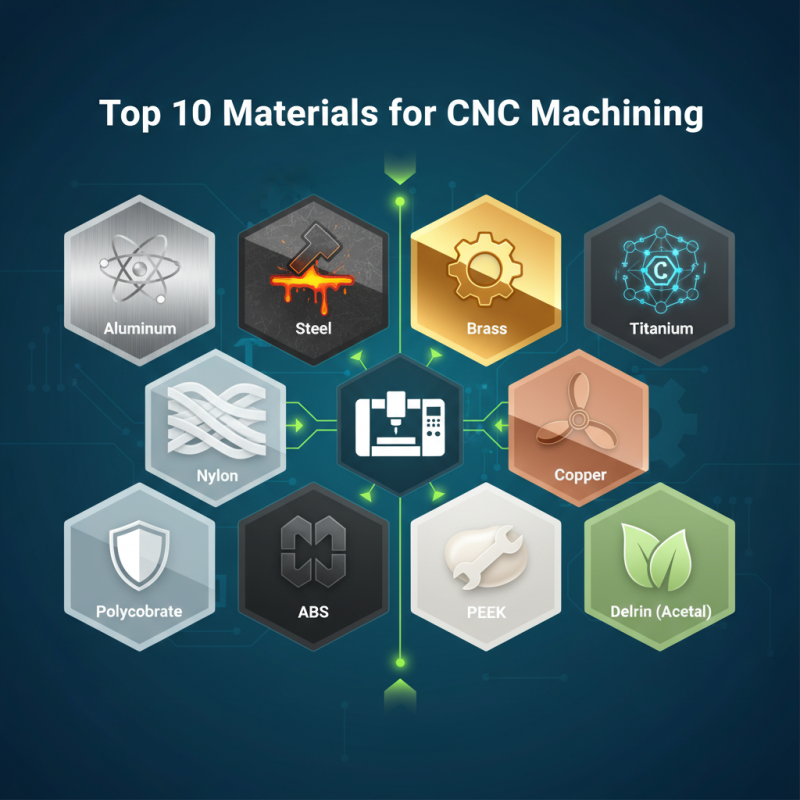
CNC machining relies heavily on the choice of materials. Various materials offer unique properties suitable for different applications. Common choices include metals, plastics, and composites. Each material has its strengths and weaknesses. The adaptability of CNC machining allows customization based on specific requirements.
Metals such as aluminum and stainless steel are prevalent in CNC machining. Aluminum is lightweight yet strong, making it ideal for aerospace components. Stainless steel is known for its durability and resistance to corrosion, often favored in medical and automotive industries. However, working with metals can pose challenges, such as tool wear and high production costs.
Plastics provide another versatile option. They are lightweight and can be molded into complex shapes. Applications range from consumer products to industrial parts. However, not all plastics are suitable for high-speed machining. This option may also lack the strength needed for heavy-duty applications. Overall, the choice of material should align with the final product's intended use and functional demands.
Aluminum is a leading choice in CNC machining due to its versatility and practicality. This lightweight metal is known for its excellent strength-to-weight ratio, making it ideal for various applications. In 2022, the global aluminum market was valued at approximately $182 billion, with a compound annual growth rate (CAGR) of around 5.7% projected until 2030. This growth underscores its increasing demand in industries such as aerospace, automotive, and consumer products.
CNC machining aluminum allows for high precision and intricate designs. The material responds well to various machining processes, including milling, turning, and drilling. However, challenges such as chip management and tooling wear must be addressed. Skilled operators must adjust feed rates and speeds to achieve the best finish while maintaining tool life.
Tips: Consider using coated tooling to reduce wear. Proper coolant use can improve chip removal and surface finish.
Aluminum also offers excellent corrosion resistance and is easily recyclable. About 75% of all aluminum produced is still in use today, reflecting its sustainability. Yet, not all grades of aluminum are suitable for every job. Understanding the specific requirements of your project can lead to significant time and cost savings in manufacturing.
Steel alloys are among the most popular materials for CNC machining, known for their strength and durability. Reports indicate that steel alloys account for over 40% of all CNC machined components in various industries. This dominance stems from their excellent mechanical properties. They can withstand high stress and offer wear resistance.
The two major categories are carbon steels and alloy steels. Carbon steels are versatile and cost-effective, ideal for applications where toughness is prioritized. Alloy steels, on the other hand, incorporate additional elements for specific properties. For instance, chromium increases hardness, while nickel enhances toughness. This combination can significantly improve the performance of machined parts. According to recent industry studies, parts made from alloy steel can exhibit up to 30% longer lifespan compared to standard steel.
However, not all applications may benefit from steel alloys. In some cases, the high density can be a disadvantage, particularly in lightweight applications. Heat treatment processes may also introduce variability in material properties. Thus, careful selection based on application requirements is crucial. Understanding the specific needs of a project can be more valuable than simply choosing the strongest material available. This reflection is essential for optimizing both performance and cost efficiency in CNC machining.
When it comes to CNC machining, plastics are often overlooked. However, they offer numerous advantages in various applications. According to industry data, plastics account for nearly 25% of CNC machined materials. Their lightweight nature makes them ideal for prototypes and components where weight reduction is crucial.
Common types of plastics used include ABS, Nylon, and Delrin. ABS is known for its toughness and impact resistance. It is often used in consumer products and automotive parts. Nylon, with its excellent wear resistance, is preferred for gears and bearings. Delrin excels in precision parts due to its low coefficient of friction.
While plastics are versatile, they also present challenges. Issues like deformation under heat can occur during machining. It’s essential to choose the right cutting tools and parameters. Each plastic type requires unique setups. Lack of experience can lead to poor outcomes and increased costs. Understanding these materials is vital for successful CNC projects.
CNC machining has evolved, embracing composites as a key material. Composites are hailed for their unique properties. They combine strength with lightweight characteristics. This balance is crucial in advanced machining operations.
Using composites can be challenging. The right processing techniques are vital to avoid pitfalls. Improper handling may lead to delamination or inaccurate dimensions. Yet, when executed correctly, composites offer exceptional results. They perform well in aerospace and automotive sectors. Their resistance to wear and chemicals enhances longevity.
Innovation doesn’t come without obstacles. Machinists must understand the materials deeply. Each composite has its quirks. This requires experience and adaptability. As technology progresses, mastering these materials is essential for success.
: Common materials include metals, plastics, and composites. Each material has unique properties.
Metals like aluminum and stainless steel are strong and durable. They are widely used in industries like aerospace and automotive.
Working with metals can lead to tool wear and higher production costs. These factors may affect overall efficiency.
Plastics are lightweight and can be molded into complex shapes. However, they may not handle high-speed machining or heavy-duty tasks well.
The two main categories are carbon steels and alloy steels. Each offers different mechanical properties for various applications.
Alloy steels can improve performance significantly. Adding elements like chromium increases hardness, while nickel enhances toughness.
Yes, their high density can be a drawback for lightweight applications. Variability in properties from heat treatment is also a concern.
Selecting the right material is crucial. It should meet the specific needs of the project rather than just focusing on strength.
Consider the final product's intended use, performance requirements, and cost efficiency. This reflection can lead to better outcomes.
CNC machining is a crucial process in manufacturing, utilizing various materials tailored to the project's specific needs. This article explores what materials can be used in CNC machining, highlighting the top ten options available to engineers and designers.
Aluminum stands out for its versatility and wide range of applications, making it a popular choice in many CNC projects. Steel alloys are revered for their exceptional strength and durability, ideal for heavy-duty fabrication. Plastics offer lightweight alternatives that are easy to work with, while composites represent an innovative option for advanced operations, allowing for unique material properties and enhanced performance. Overall, selecting the right material is essential for achieving the desired outcome in CNC machining processes.

Robotic CNC