Effectively designing parts for CNC machining requires a blend of technical knowledge and practical insights. Understanding how to design parts for CNC machining is essential for achieving optimal results. It involves more than just creating a CAD model; it requires foresight into manufacturing challenges and limitations.
The materials chosen, dimensions specified, and tolerances set can greatly impact the final product. Designers often overlook the importance of tool access and machining strategies. This can lead to unexpected difficulties during production. Implementing a well-thought-out design process can reduce costs and improve efficiency.
Moreover, collaborating with machinists early in the process fosters a better understanding of fabrication constraints. This alliance can unveil potential pitfalls that may not be apparent during initial design phases. Learning from past designs and continually refining techniques can lead to more successful outcomes in CNC machining. Emphasizing adaptability and open-mindedness in the design process is crucial for long-term success.
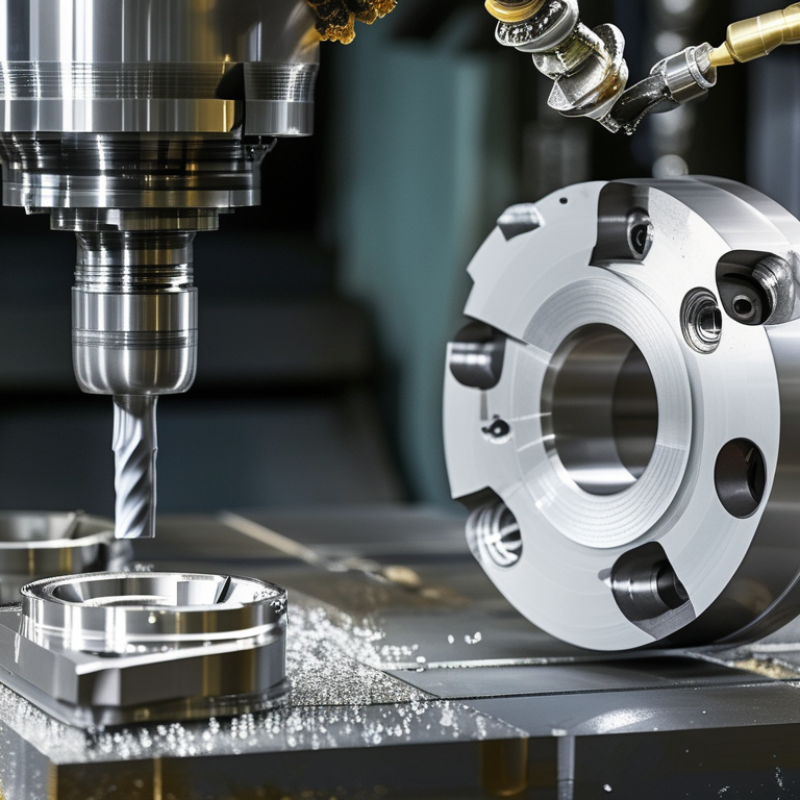
CNC machining is a versatile manufacturing process that creates precision parts from various materials. Understanding its capabilities is key for effective design. This technology can work with metals, plastics, and composites. Each material behaves differently, which affects how parts are designed. For example, metals may require more aggressive cutting speeds compared to plastics.
Designers should consider the tolerances CNC machining can achieve. While tight tolerances are possible, they often increase costs and lead times. It's crucial to find a balance between precision and practicality. Additionally, features like deep pockets or fine details may complicate machining. Reflection on design ideas can lead to more feasible outcomes.
Another important aspect is the tooling required. Different tools affect machining time and cost. Sometimes, using a standard tool can save time but may limit design choices. Therefore, it’s important to routinely evaluate design options. Each iteration may reveal aspects that require adjustment. Understanding these nuances ensures the design process aligns with CNC machining capabilities, leading to better results.
When designing parts for CNC machining, adhering to key principles is essential for success. One significant aspect is understanding the material's properties. According to a report by the American Machining Association, selecting the right material can reduce machining time by up to 30%. This highlights the importance of material choice in the design phase.
Another critical principle is to design for manufacturability. This means creating parts that are easier to machine. Simple geometries often lead to faster production times and lower costs. Avoid using intricate designs unless necessary. A study from the Precision Engineering Journal indicates that parts designed with fewer features can save up to 25% in machining costs.
However, there are common pitfalls. Complexity is a challenge. Designers may overlook the impact of tight tolerances, leading to increased failures. According to machining experts, tolerances over 0.005 inches can drastically raise production costs. Regular reviews of design decisions can help catch these issues early. Therefore, incorporating feedback loops during the design process is vital. It allows for improvements and better decisions aligned with CNC machining capabilities.
Choosing the right material for CNC machined parts is crucial. Various factors influence this decision, including strength, weight, and cost. According to a report by the International Journal of Advanced Manufacturing Technology, over 70% of engineers consider material selection as a top priority in the design process. Aluminum alloys, for instance, are favored for their balance of weight and strength, making them ideal for aerospace applications.
However, each material comes with trade-offs. While steel offers superior durability, it can increase machining time and costs. A recent study found that parts made from tougher materials might require specialized tools, impacting overall production efficiency. This highlights the importance of understanding the specific requirements of your project.
It’s also essential to account for thermal properties. Some materials expand or contract significantly when heated, affecting precision. For example, polycarbonate can deform under stress, leading to potential issues in tight tolerances. By weighing these factors, designers can make informed choices that align with project goals.
When designing parts for CNC machining, tolerances and fits play a crucial role. Understanding these concepts ensures that parts fit together properly and function as intended. Tolerances define the allowable variation in dimensions. Narrow tolerances require precise machining. However, they can increase costs and lead to more scrap if not managed well.
Fits describe how parts interact. They can be classified into clearances, transitions, and interference. For example, a clearance fit allows space between parts, promoting easy assembly. However, if designed incorrectly, parts may wiggle or not align properly. An interference fit, on the other hand, creates tight connections. This method is effective but can complicate disassembly.
In practice, balancing tight tolerances and fit types is challenging. Designers often strive for perfection, but manufacturing variability can lead to unexpected results. Having open lines of communication with machinists is vital. Their insights can help refine designs and avoid costly mistakes. Always consider the manufacturing process while designing. This acknowledges limitations and fosters innovation in achieving functional designs.
Optimizing CNC machining efficiency begins with effective part design. It’s crucial to simplify geometries. Complex shapes often lead to longer machining times. Consider how each feature impacts the overall process. Ensure that features can be easily reached by tools. This reduces unnecessary tool changes and downtime.
Material selection also plays a key role. Different materials require different machining speeds and settings. Pick materials that align well with the machining tools and methods. This choice can optimize cutting speeds and tool life. Additionally, examine the tolerances of your designs. Tight tolerances may demand specialized tooling and longer machining hours. Balancing precision with practicality is vital.
Lastly, think about fixturing methods. Secure parts properly to avoid movement during machining. This ensures accuracy and reduces the chances of errors. Plan for the worst-case scenario. Sometimes, the cutting path may need modification due to tool wear or unexpected issues. Reflecting on past designs will help in improving future iterations. Be adaptable, and learn from each machining cycle.
| Design Aspect | Best Practice | Impact on Efficiency |
|---|---|---|
| Material Selection | Choose materials that are easy to machine. | Reduces machining time and tool wear. |
| Geometry | Design simple geometric shapes when possible. | Lowers programming complexity and cycle time. |
| Tolerance | Specify realistic tolerances for manufacturing. | Minimizes the need for rework and rejects. |
| Tool Paths | Optimize tool paths for minimal movement. | Increases machining speed and reduces wear. |
| Fixturing | Design parts for effective clamping and support. | Improves accuracy and stability during machining. |
| Surface Finish | Plan for necessary surface treatments to avoid machining processes. | Saves time and reduces costs for finishes. |
: CNC machining is a manufacturing process that creates precision parts from various materials like metals and plastics.
The right material can reduce machining time by up to 30%. This significantly impacts efficiency and cost.
Tight tolerances can dramatically increase production costs. Keeping tolerances reasonable helps maintain a balance between quality and expenses.
Design for manufacturability is key. Simplifying geometries leads to quicker production and lower costs.
Complex shapes usually lead to longer machining times. It's essential to create simple yet functional designs.
Using the right tools can affect machining time and costs. Standard tools may save time but could limit design options.
Regular evaluations can reveal necessary adjustments. This reflection is crucial for aligning designs with CNC capabilities.
Properly securing parts prevents movement during machining, ensuring greater accuracy and reducing errors.
Tolerances over 0.005 inches can cause more failures. Regular checks can prevent costly design flaws.
Reflecting on previous designs helps in learning and improving. Adaptability is crucial for refining machining processes.
In the article "How to Design Parts for CNC Machining Effectively," we explore essential strategies for optimizing designs tailored for CNC machining. Understanding CNC machining capabilities is crucial, as it allows designers to leverage the technology's strengths and limitations. Key design principles, such as simplicity and the consideration of manufacturing processes, play a vital role in achieving success. Additionally, thoughtful material selection is imperative, influencing both the part's performance and manufacturability.
When learning how to design parts for CNC machining, attention to tolerances and fits is essential to ensure proper assembly and function. Best practices for enhancing machining efficiency should also be prioritized, such as minimizing tool changes and optimizing tool paths. By integrating these guidelines into the design process, engineers can create parts that are not only functional but also cost-effective and efficient to produce.

Robotic CNC