The manufacturing landscape has experienced significant advancements, particularly in CNC technology. As more industries adopt CNC turning and milling, understanding their differences becomes crucial. According to a report by Wohlers Associates, the global CNC machining market is expected to reach $100 billion by 2025. This growth highlights the need for streamlined production processes, which both methods provide.
"What is the difference between CNC turning and CNC milling?" is a question that often arises for engineers. Expert Jane Smith, a senior engineer at Precision Machining Corp., states, "CNC turning excels in cylindrical components, while milling is perfect for complex shapes." This distinction is vital for manufacturers to optimize their workflows.
Despite the clarity between these processes, some may overlook specific applications. Turning is generally faster for cylindrical parts, whereas milling offers versatility with shape and detail. Recognizing these nuances helps teams make informed decisions. However, as technology evolves, continuous learning in this area is necessary to stay competitive. Understanding each method's strengths and limitations can lead to better production outcomes.
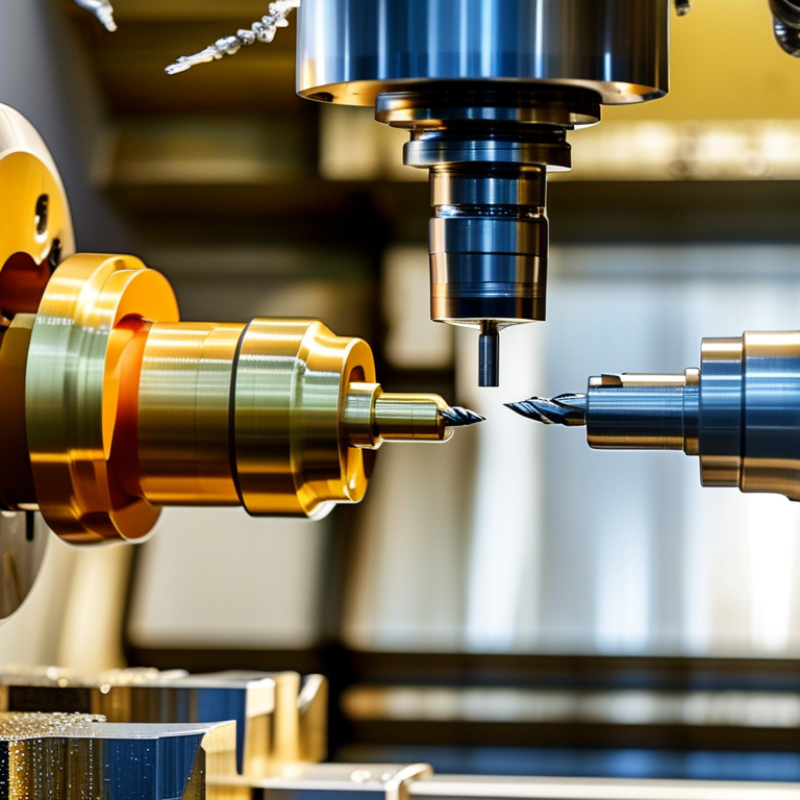
Overview of CNC Turning and CNC Milling Technologies
CNC turning and CNC milling are essential technologies in modern manufacturing.
CNC turning involves rotating the workpiece while a cutting tool moves linearly to shape it. This process is ideal for cylindrical parts, such as shafts or bolts.
In contrast, CNC milling uses a stationary workpiece and rotating cutting tools to remove material. This method is versatile, allowing for a variety of shapes and dimensions.
When choosing between these two techniques, consider the part's geometry. CNC turning is more efficient for round features.
Meanwhile, if your design includes complex shapes, CNC milling may be a better fit.
Each method has its strengths, and understanding these can help optimize production.
Tips: Always analyze the material you plan to use. Different materials respond better to one process over the other. For example, softer metals often yield better results with CNC milling.
Don't overlook the importance of tool selection. The right tool can significantly affect your project’s quality and efficiency.
Key Differences in CNC Turning and CNC Milling Processes
CNC turning and CNC milling are both essential machining processes in modern manufacturing. While they might seem similar, their operations and applications differ significantly. CNC turning is primarily used for cylindrical parts. The workpiece rotates against a stationary tool, allowing for the creation of precise, round shapes. This process excels in producing items like shafts and bolts.
Conversely, CNC milling employs a rotating cutting tool to remove material from a stationary workpiece. This technique is versatile and can create complex shapes, including both flat surfaces and intricate designs. The movement can be multidirectional, enabling the machine to operate on a variety of materials with ease.
Tips: Understand your project needs. If you require round components, CNC turning is the way to go. For detailed shapes and features, CNC milling shines. Additionally, consider tool wear. Different materials may require frequent tool changes, affecting production time and cost. Always plan your machining technique based on these facets.
Applications and Use Cases for CNC Turning vs. CNC Milling
CNC turning and CNC milling serve distinct roles in manufacturing. CNC turning is primarily focused on creating cylindrical parts. This process is ideal for items like shafts and bushings. On the other hand, CNC milling provides versatility. It can produce parts with complex geometries, such as brackets or plates. Both methods have their own strengths depending on the project's requirements.
In practical applications, CNC turning is often used in industries like automotive and aerospace. These sectors require precise cylindrical components. CNC milling, however, finds its use in various fields, including electronics and medical device manufacturing. The intricate designs needed in these areas benefit from milling's capability. However, challenges arise during production. Some designs may not translate seamlessly from digital models to physical parts.
Both CNC turning and CNC milling require skilled operators. Understanding material properties is crucial. Miscalculations can lead to wasted resources and time. Each method offers unique advantages, but choosing the right one can be daunting. It’s essential to assess specific needs and constraints.
Difference Between CNC Turning and CNC Milling Explained
| Aspect |
CNC Turning |
CNC Milling |
| Process Type |
Rotational machining |
Linear machining |
| Common Use Cases |
Producing cylindrical parts, shafts, and fittings |
Creating complex shapes, flat parts, and intricate designs |
| Material Versatility |
Metals, plastics, and woods |
Metals, plastics, woods, and composites |
| Tool Movement |
Tool is stationary; workpiece rotates |
Workpiece is stationary; tool moves |
| Precision Level |
High precision for round parts |
Very high precision for complex profiles |
| Speed |
Generally faster for simple shapes |
Can be slower due to more complex movements |
| Setup Time |
Shorter setup time for simpler tasks |
Longer setup time due to tool changes |
| Typical Industries |
Automotive, aerospace, and medical |
Machinery, electronics, and custom parts manufacturing |
Advantages and Disadvantages of CNC Turning and CNC Milling
CNC turning and CNC milling are two fundamental machining processes. Each has its distinct advantages and disadvantages that define their applications.
CNC turning is highly effective for cylindrical components. It allows for smooth finishes and precision in creating round parts. However, its scope is somewhat limited. It typically works best with rotating materials. For complex shapes, it might require extra steps.
CNC milling is versatile. It can handle a wide variety of shapes and materials with ease. This flexibility is its strong suit. But, CNC milling may not achieve the same surface finishes as turning for certain applications. The setup time can also be longer, affecting efficiency.
Tips: When choosing between these processes, consider your project’s specific needs. Look at the material and shape required. It's wise to consult with a machining expert for tailored advice. Regularly evaluate your processes to identify areas for improvement.
Be cautious with your design requirements. Complexity can increase machining time and costs. Always explore simpler alternatives when possible. Emphasizing simplicity can lead to better results.
Factors Influencing the Choice Between CNC Turning and CNC Milling
When deciding between CNC turning and CNC milling, understanding the factors that influence this choice is essential.
CNC turning is ideal for parts requiring a circular cross-section. It involves rotating the workpiece against a fixed tool.
Conversely, CNC milling is better suited for complex shapes and flat surfaces. Millers use rotating tools to cut into stationary materials.
Each method has its unique advantages, particularly in terms of precision and production time.
The choice often depends on the material and complexity of the part. A report by CIMdata reveals that CNC milling typically achieves tighter tolerances, making it preferable for intricate designs.
In contrast, turning can be more efficient for high-volume production of simpler cylindrical components. Always consider the specific project demands, such as volume and desired surface finish.
Tips: Choose CNC turning for quick, high-volume production of cylindrical pieces. CNC milling suits more complex shapes and larger parts. Evaluating your design's needs can lead to better efficiency.
Balancing quality and production time is critical.
Don't overlook the cost implications of each method in your decision-making process.
Conclusion
This article explores what is the difference between CNC turning and CNC milling, two essential processes in computer numerical control machining. CNC turning involves rotating a workpiece against a stationary cutting tool to shape it, while CNC milling refers to the process of moving a cutting tool against a fixed workpiece to remove material. The article outlines the key differences in their processes, highlighting specific applications and use cases for each technology, such as in precision parts manufacturing versus complex surface creation.
Additionally, it discusses the advantages and disadvantages of both methods, helping readers understand factors that might influence the choice between CNC turning and CNC milling based on project requirements, material type, and desired tolerances. By providing a comprehensive overview, this article serves as a valuable resource for those looking to understand the nuances of these two prevalent machining techniques.

 Robotic CNC