CNC machining is a cornerstone of modern manufacturing, offering precision and versatility in creating components. When considering what surface finishes are available in CNC machining, it’s essential to recognize that the choice significantly impacts functionality and aesthetics. According to a report by Grand View Research, the CNC machining market is projected to reach $100 billion by 2025, reflecting its increasing importance.
Surface finishes can vary widely, including anodizing, electroplating, and polishing. Each technique serves particular needs across industries, from aerospace to electronics. For example, a polished finish enhances corrosion resistance while providing a sleek look. However, achieving the desired finish often requires balancing cost, speed, and quality. Mistakes in this area can lead to rework and increased production time, which is detrimental to efficiency.
Industry experts emphasize the need for careful selection of finishes based on application requirements. It remains crucial to understand that not all finishes are suitable for every project. As the industry evolves, staying informed about advancements in finishing techniques can create a competitive advantage. Reflecting on the available options can lead to more effective decision-making.
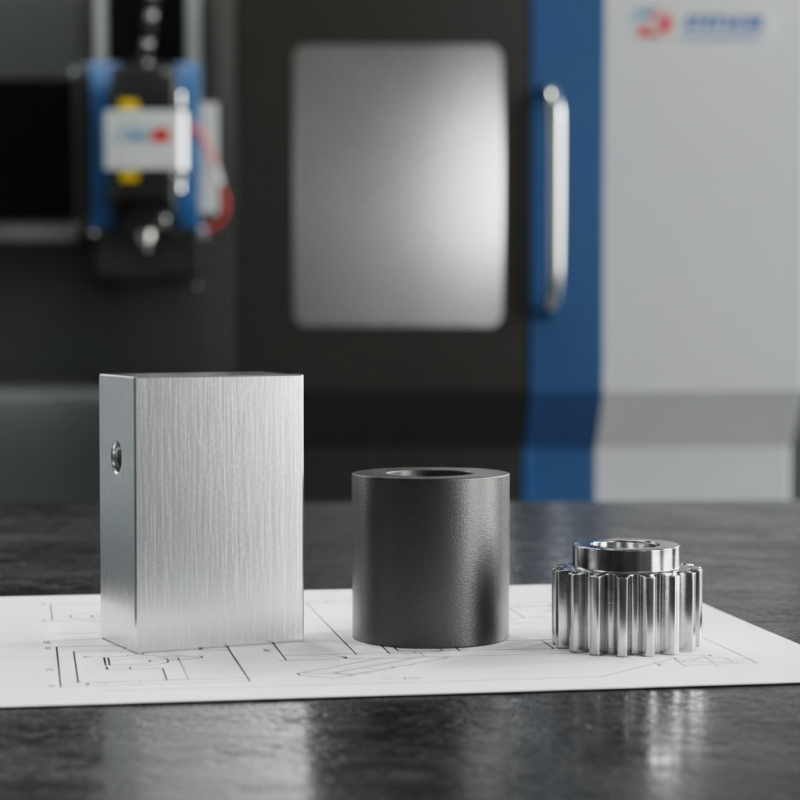
Types of Surface Finishes Achievable Through CNC Machining
CNC machining offers a variety of surface finishes that enhance the final product's appearance and functionality. Techniques like milling, grinding, and polishing create distinct textures. Anodizing is popular for metals, providing a protective layer while improving corrosion resistance. Meanwhile, bead blasting can achieve a matte finish, reducing glare and ensuring consistency across surfaces.
When aiming for a refined finish, consider factors such as tool selection and machining speed. Intuitive adjustments can lead to fewer imperfections. Small mistakes can affect the overall aesthetic, so reviewing the machining settings is crucial. Consistency matters more than perfection.
For those new to CNC machining, experimenting with different surface finishes can be enlightening. Do not be afraid to test various techniques to see their effects. Sometimes, a less polished finish might highlight the material's characteristics better. Recording the results will guide future projects and enhance your understanding of surface textures.
Importance of Surface Finish in CNC Machining Applications
In CNC machining, the surface finish is crucial for product quality. A study by the Manufacturing Technology Research Association reveals that 80% of product performance relies on surface quality. Factors such as friction, wear resistance, and fatigue strength are directly influenced by how well the surface is finished. Manufacturers often aim for a specific Ra value, which measures surface roughness.
Achieving an optimal surface finish requires careful selection of machining parameters. Tools, feeds, and speeds all play a role. A report from the American Society of Mechanical Engineers indicates that improper settings can lead to poor finishes. This can increase costs and lead to product failures. In some cases, a finish that looks good on the surface may hide defects within. Such hidden issues could compromise the component's integrity over time.
Additionally, different applications demand varying surface finishes. For instance, aerospace components require extremely smooth finishes to enhance aerodynamic performance. Conversely, some industrial tools may benefit from a rougher texture for better grip. Not meeting these requirements can lead to significant material waste. Addressing these challenges is key for manufacturers striving for excellence in CNC machining.
Factors Affecting Surface Finish Quality in CNC Machining
Surface finish quality in CNC machining reflects both the process and the material used. Several factors influence the final outcome. Tool wear is vital. As tools become dull, surface finishes deteriorate. According to a report from the Manufacturing Institute, a worn tool can increase surface roughness by 25%. Regular monitoring and replacement of tools are essential for maintaining high-quality finishes.
Another factor is the machining speed. Faster speeds can reduce machining time, but may adversely affect surface finish quality. Research shows that optimal speeds enhance consistency. For instance, a speed increase of just 10% can lead to a 15% improvement in surface finish on certain materials. However, finding the right balance is crucial. Too high of a speed may lead to defects.
Coolant type and application also play significant roles. Proper cooling reduces thermal distortion during machining. Yet, not all coolants are effective across materials. A study by the Institute of Manufacturing Technology indicates that using the wrong coolant can degrade surface quality by nearly 30%. Understanding the interactions between tools, speeds, and coolants can lead to better finishes.
Surface Finishes Achievable with CNC Machining
Comparison of Different CNC Machining Surface Finish Techniques
CNC machining offers various surface finish techniques, each serving unique applications. A report by the American Society of Mechanical Engineers indicates that the choice of surface finish can impact product performance by up to 25%. For parts requiring a high level of precision and aesthetic appeal, processes like
fine machining and polishing are commonly utilized. Fine machining can achieve tolerances of ±0.01 mm, while polishing helps enhance the visual quality of the surface.
Another prevalent technique is bead blasting, which provides a matte finish ideal for applications where reflectivity is a concern. This method creates a rougher texture, improving the surface's adhesion properties. Studies show that bead-blasted surfaces can enhance paint retention by 30%. However, a trade-off exists: while the texture improves adhesion, it can also accumulate dirt and grime, necessitating regular maintenance.
Electropolishing offers a different approach, enhancing corrosion resistance. It thrives in industries such as aerospace and medical, where hygiene is paramount. Although it delivers a smoother surface finish, the process can be costly and time-consuming. Maintaining quality control during electropolishing is crucial, as inconsistencies can lead to significant performance issues. This variation speaks to the complexity of matching surface finish techniques to specific engineering needs.
Post-Processing Options for Enhanced Surface Finishes in CNC Machining
CNC machining offers numerous post-processing options to enhance surface finishes. Techniques like sanding, polishing, and bead blasting significantly improve the aesthetics and functionality of machined parts. Sanding can create a smoother surface by removing minor imperfections. Polishing, on the other hand, gives components a reflective finish. Bead blasting adds texture while improving adhesion for coatings.
Each post-processing method has its strengths and weaknesses. For example, polishing may reveal microscopic flaws, impacting the final look. Sanding requires caution; an inexperienced hand can cause deeper scratches. Bead blasting can sometimes alter dimensions, complicating assembly processes. It's vital to choose the right technique based on the desired finish and application.
Testing different methods on small samples can offer insights into achieving the best results. Consulting with experts familiar with CNC machining helps in selecting appropriate post-processing strategies. Regular reflection on these choices informs future projects and improves overall quality. Understanding these post-processing options will empower manufacturers to create components that meet high standards.
What Surface Finishes Can You Achieve with CNC Machining?
| Finish Type |
Description |
Common Applications |
Post-Processing Options |
| Anodized Finish |
Electrochemical process that converts the metal surface into an oxide finish. |
Aerospace, Automotive, Electronics |
Anodizing, Blasting |
| Polished Finish |
Smooth and reflective surface achieved by polishing. |
Interior Design, Jewelry, Medical Devices |
Buffing, Chemical Polishing |
| Bead Blasted Finish |
Surface is treated with fine beads to create a uniform, matte finish. |
Consumer Products, Architectural Elements |
Bead Blasting, Coating |
| Powder Coated Finish |
Dry powder is applied and then cured to form a hard finish. |
Furniture, Automotive, Appliances |
Powder Coating, Sandblasting |
| Galvanized Finish |
Coating of zinc for corrosion resistance. |
Construction, Outdoor Equipment |
Hot-Dip Galvanizing, Electro-Galvanizing |
FAQS
: Surface finish affects product quality significantly. Around 80% of performance depends on surface quality.
Friction, wear resistance, and fatigue strength are crucial. They hinge on effective surface finishing.
Wrong tools, feeds, or speeds lead to poor finishes. This can increase production costs and cause failures.
No, different applications need specific finishes. Aerospace parts need smooth finishes, while some tools may require rougher textures.
Bead blasting creates a matte finish. It enhances adhesion but may collect dirt, needing regular maintenance.
Electropolishing improves corrosion resistance. It's vital in aerospace and medical fields requiring sanitary surfaces.
The processes can be expensive and time-consuming. Sometimes, a good appearance may hide deeper defects.
Fine machining can reach tolerances of ±0.01 mm. This precision is important for high-quality components.
Yes, techniques like bead blasting can improve paint retention by 30%. However, they also require upkeep.
Meeting specified finish requirements is essential. This can help reduce material waste and enhance product performance.
Conclusion
CNC machining offers a variety of surface finishes, each designed to meet specific application requirements. The types of surface finishes achievable through CNC machining include processes like sanding, polishing, anodizing, and coatings, which enhance both aesthetics and functionality. Understanding what surface finishes are available in CNC machining is crucial, as it impacts the final product's performance and durability.
The quality of surface finish in CNC machining is influenced by numerous factors, such as material type, tooling, and machining parameters. A comparison of different CNC machining surface finish techniques reveals that each has distinct advantages and limitations. Additionally, to further enhance surface finishes, post-processing options like chemical polishing or additional coating applications can be employed, ensuring the final output meets industry standards and customer expectations.

 Robotic CNC