CNC machining has revolutionized manufacturing by providing high precision and efficiency. But, how accurate is CNC machining in manufacturing? This question is essential for companies aiming to deliver quality products consistently.
The accuracy of CNC machining is influenced by several factors. These include machine quality, tooling, and the operator's skill. A well-maintained machine leads to better results. But even the best machines can struggle without proper operation. This raises a crucial point about the need for ongoing training in the field.
However, CNC machining isn't infallible. There are limitations to consider. Tolerances might vary based on the material and complexity of the part. The quest for perfection needs constant evaluation. Manufacturers must reflect on these factors to ensure success in their projects. Addressing these concerns helps align expectations with actual outcomes.
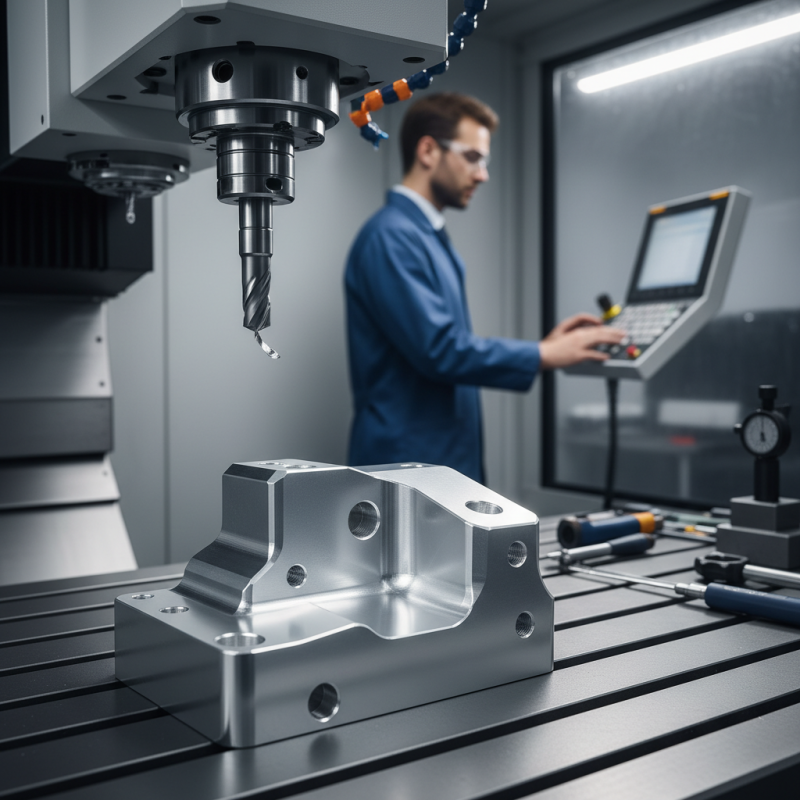
CNC machining plays a vital role in today's manufacturing landscape. It stands for Computer Numerical Control machining, a method that uses computers to control machine tools. This technology allows for high precision, ensuring that components meet exact specifications. This accuracy is critical in industries like aerospace and medical device manufacturing.
Using CNC machines reduces human error. However, it is not infallible. Even with advanced technology, slight discrepancies can occur. This highlights the importance of regular maintenance and calibration of machines. It also emphasizes the need for skilled operators who can interpret complex designs accurately. Quality control processes must be stringent to catch any faults before products leave the facility.
Moreover, CNC machining impacts production efficiency. The ability to produce complex shapes with minimal manual intervention saves time. Yet, some challenges remain, such as the limitation of materials. Not every material can be machined with CNC processes. Manufacturers need to balance design requirements with material capabilities, impacting overall project feasibility. The development of CNC technology continues to evolve, promising further improvements in accuracy and efficiency in the manufacturing sector.
CNC machining is known for its precision in manufacturing. However, several factors can influence its accuracy. Chief among these is the quality of the CNC machine itself. A high-quality machine often delivers better results. Poor calibration can lead to inconsistent production. Regular checks are essential to maintain performance.
Tool wear is another critical factor. As tools degrade, they may not cut materials accurately. Routine inspections and timely replacements are necessary. The choice of materials also affects accuracy. Certain materials respond differently to machining processes. Understanding these differences is crucial for achieving the desired precision.
Operator skill shouldn't be overlooked. An experienced operator can make adjustment decisions in real time. Lack of training can lead to mistakes. Even with modern technology, human error remains a factor. CNC machining demands a balance of machine precision and operator expertise. The interplay between these elements creates variations in accuracy. Adjustments and reflections on past projects are vital for improvement.
CNC machining has transformed manufacturing by offering precise control over dimensions and shapes. When comparing CNC machining to traditional methods, it becomes evident that CNC provides a higher level of accuracy. Traditional machining often relies on manual processes, which can introduce human error. Operators may misinterpret measurements or make inconsistent adjustments, leading to variations in the finished product.
On the other hand, CNC machinery operates on programmed instructions. This automation minimizes the risk of error and ensures repeatable results. However, it's important to note that CNC accuracy can be affected by various factors. Tool wear, machine calibration, and even environmental conditions can impact the precision of CNC parts.
Despite the advantages, CNC machining is not infallible. Errors can still arise, particularly during the setup phase or if the machine malfunctions. In contrast, traditional methods may allow for immediate corrections through human oversight, albeit at the cost of potential inconsistencies. Balancing these factors requires continuous evaluation and improvement in both approaches. The journey toward optimal accuracy is ongoing in the field of manufacturing.
CNC machining is renowned for its precision in manufacturing. Various techniques allow for achievable tolerances that can meet numerous engineering demands. Typically, CNC machining can reach tolerances as tight as ±0.005 inches. This level of accuracy ensures that parts fit together seamlessly, which is essential in high-stakes industries like aerospace and medical devices.
When assessing tolerances, consider the complexity of the design. Simple shapes may have broader tolerances, while intricate features often require tighter specifications. It's essential to communicate these needs clearly with your CNC provider. They can offer insight into realistic expectations based on material and design.
**Tips:** Always validate the machining capabilities before proceeding. Testing prototypes can help identify any potential issues. Additionally, maintaining open dialogue with engineers during the machining process can ensure adherence to required tolerances. It’s a learning curve; be prepared for adjustments along the way.
CNC machining has transformed manufacturing with its precision and capabilities. In aerospace applications, for instance, components often require tolerances of within ±0.001 inches. Reports indicate that CNC machining can achieve even tighter tolerances, down to ±0.0001 inches, which is critical for safety and performance. A case study involving the production of aircraft engine parts highlights that utilizing CNC machines resulted in a 20% reduction in production time while maintaining these stringent tolerances.
In medical device manufacturing, accuracy cannot be understated. CNC machining creates intricate components for devices like surgical instruments with a precision often governed by ISO 13485 regulations. Studies show that when CNC was employed, error rates dropped dramatically, providing reliable outcomes in sensitive procedures. While the accuracy of CNC machining is largely favorable, challenges remain. Factors such as machine calibration and tool wear can lead to deviations. Continuous monitoring and adjustments are necessary to sustain accuracy in long production runs.
Quality assurance processes are vital to mitigate these issues. Regular evaluations of machinery and adherence to best practices are essential. These measures enhance reliability but do not eliminate the possibility of human error during programming or setup. Each case emphasizes the importance of combining technology with thorough operator training for optimal accuracy in CNC machining.
This chart illustrates the accuracy percentage of various CNC machining processes, highlighting the effectiveness of precision turning, milling, drilling, grinding, and laser cutting in manufacturing applications.
: CNC machining offers a higher level of accuracy due to programmed instructions, reducing human error.
Operators may misinterpret measurements or make inconsistent adjustments, leading to product variations.
Tool wear, machine calibration, and environmental conditions can impact the precision of CNC parts.
Yes, errors can occur during setup or machine malfunctions, despite its automation advantages.
CNC machining can reach tolerances as tight as ±0.005 inches, crucial for industries like aerospace.
Simple shapes have broader tolerances, while intricate features require tighter specifications for accuracy.
Validate machining capabilities and test prototypes to identify potential issues early in the process.
Open dialogue with engineers ensures that required tolerances and adjustments are maintained throughout the process.
No, it’s an ongoing learning curve that requires continuous evaluation and improvement.
Yes, human oversight allows for immediate corrections, though it may lead to inconsistencies in results.
CNC machining has become a pivotal technology in modern manufacturing due to its precision and versatility. Understanding how accurate is CNC machining in manufacturing involves examining key factors that influence its accuracy, such as machine calibration, tool wear, and software algorithms. These factors collectively contribute to the capability of CNC machines to achieve tight tolerances and intricate designs that surpass traditional manufacturing methods.
A comparative analysis reveals that CNC machining offers superior accuracy over conventional techniques, often achieving tolerances as tight as ±0.001 inches, which is crucial in sectors like aerospace and medical device manufacturing. Real-world applications and case studies further illustrate the reliability and efficiency of CNC machining processes, reinforcing its importance in producing high-quality components consistently. As the demand for precision in manufacturing continues to rise, CNC machining stands out as an essential method for meeting stringent accuracy requirements.
Robotic CNC