How to Choose the Right CNC Machining Process for Your Needs?

Time:2026-04-07 Author:Isabella
0%

Choosing the right CNC machining process is critical for manufacturers seeking precision and efficiency. In recent studies, 85% of companies reported that selecting the optimal process directly affects production costs and quality. According to expert Emily Chen, a leading figure in CNC technologies, “Understanding how to choose the right CNC machining process ensures a balance between performance and budget.”

Each type of CNC process, from milling to turning, serves different needs. A mismatch can lead to delays and increased expenses. For instance, using a standard milling technique for complex geometries may result in inferior finishes and waste. Industry reports highlight that poor process selection can increase scrap rates by up to 30%.

Navigating these choices requires a deep understanding of capabilities and limitations. The decision isn't merely technical; it’s a reflection of a company’s strategic vision. As market demands evolve, the importance of refining this decision-making process cannot be overstated. Failing to adapt may leave a company at a competitive disadvantage in a rapidly advancing field.
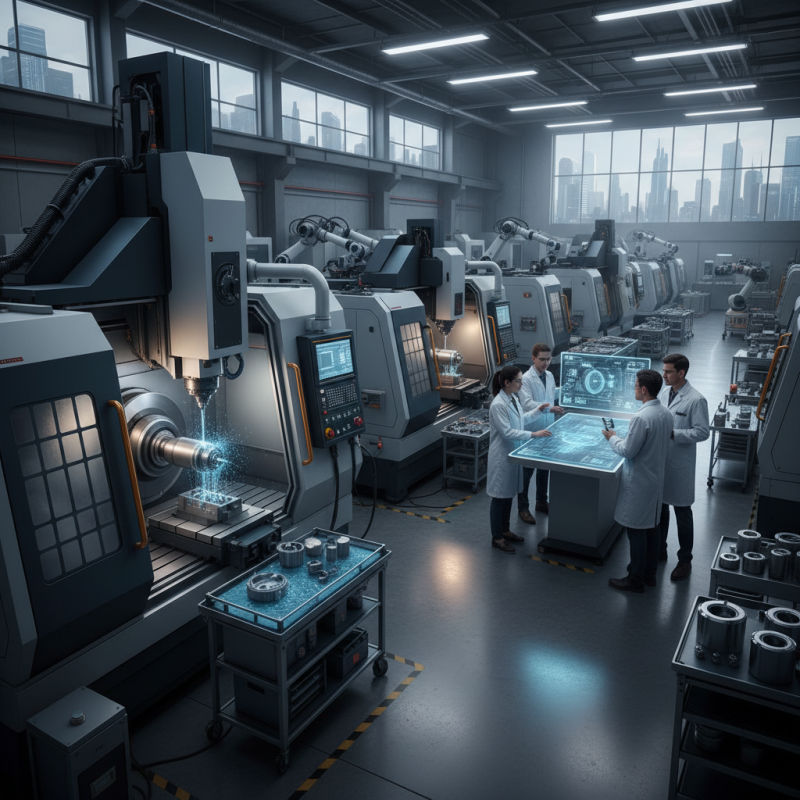
How to Choose the Right CNC Machining Process for Your Needs?

Understanding CNC Machining: Key Processes and Their Applications

CNC machining encompasses various processes, each tailored for specific applications. Understanding these processes can streamline your manufacturing needs. For instance, milling is ideal for creating complex shapes and precision cuts. This method uses rotating tools to remove material from a workpiece. It's widely applied in aerospace and automotive industries, where precision is paramount.

Turning is another essential CNC process. It involves rotating the workpiece against a stationary tool. This method is effective for creating cylindrical parts like shafts and fittings. However, turning may not achieve the complexity that milling can offer. Choosing the right process often requires an understanding of your design specifications and material properties.

Laser cutting is notable for its precision and speed. It works well for intricate designs and thin materials. Yet, it may struggle with thicker materials. Waterjet cutting, on the other hand, uses high-pressure water to slice through various materials. While it's versatile, it can leave a rough edge that requires additional finishing. Knowing the strengths and weaknesses of each process can enhance your production efficiency. It's important to reflect on your specific requirements and the limitations of available methods.

Choosing the Right CNC Machining Process

This chart illustrates the application frequency of various CNC machining processes. Understanding these frequencies can aid in selecting the appropriate method for your specific manufacturing needs.

Assessing Material Requirements: Choosing the Right CNC Machining Material

Choosing the right material for CNC machining is crucial. It significantly affects the final product's performance, durability, and cost. Different materials offer various mechanical properties, appearance, and suitability for specific applications. For example, aluminum is lightweight yet strong, making it popular for aerospace components. Its machinability is excellent. However, it may not withstand extreme temperatures.

On the other hand, materials like titanium offer exceptional strength-to-weight ratios. They are often chosen for medical implants and high-performance parts. Yet, machining titanium can be challenging. It requires specialized tools and techniques. Many users underestimate the complexity of machining titanium, leading to potential errors and delays.

Plastics are another option. They are versatile and can be molded into complex shapes. However, they may lack the strength needed for high-stress applications. Some manufacturers witness failures due to improper material selection. Researching material properties is vital. Evaluating your project's specific requirements can save time and resources. Choosing the right CNC machining material is not just about performance; it’s about understanding the limitations and possibilities of each material.

Evaluating Tolerance and Precision Needs in CNC Machining Processes

Choosing the right CNC machining process largely depends on your tolerance and precision requirements. Understanding these limits will guide you in selecting the suitable machining method. For instance, tight tolerances may require more advanced techniques. Conversely, broader tolerances might allow for simpler processes, potentially reducing costs.

When evaluating tolerances, think about the function of the part. High-precision parts often need more meticulous inspection. Simple assemblies might not require this level of detail. Always keep in mind the end application of the components. Sometimes, re-evaluating the necessity for high precision can lead to significant cost savings.

**Tips:** Know your specifications in advance. This can improve communication with your machining service provider. Get involved in the design phase. Early adjustments can prevent costly changes later. Finally, don't hesitate to seek expert advice. Industry professionals can offer insights tailored to your specific needs.

Cost Analysis: Comparing CNC Machining Techniques for Budget Efficiency

When selecting a CNC machining process, cost efficiency plays a pivotal role. Different techniques, such as milling, turning, and laser cutting, offer varied pricing structures. The initial cost of equipment may seem daunting, but analyzing the long-term expenses is essential. For instance, while CNC milling could require greater upfront investment, it often leads to lower per-part costs on larger production runs.

Another aspect to consider is the material being used. Some methods work better with specific materials, impacting the overall expense. Choosing the wrong technique can lead to waste and additional costs. The intricacies of the project also matter. Complex designs may require advanced machining processes, which could inflate the budget. Evaluating the return on investment for each method is necessary for informed decision-making.

Sometimes the perceived best option might not be the most cost-effective in practice. For example, rapid prototyping might save time but can increase costs if not managed correctly. Reviewing processes post-production allows for reflection on effectiveness and efficiency. It's crucial to balance quality and cost without sacrificing project integrity.

Lead Time Considerations: Optimizing CNC Machining for Project Deadlines

When selecting a CNC machining process, lead time is essential. Delays can disrupt project timelines and increase costs. It is crucial to align machining strategies with project goals. Understanding the complexity of your components helps in choosing the right process. Some methods offer faster turnaround, while others might need more setup time.

Sometimes the best option might not be the fastest one. You may face trade-offs between precision and speed. For instance, complex geometries may require advanced machining processes. These might extend lead times but deliver better results. Evaluating potential bottlenecks in the production schedule can help in planning.

Consider your supply chain and material availability. Sourcing materials can affect the overall lead time. If a material takes weeks to arrive, it impacts the entire project. Effective communication with suppliers streamlines the process. Relying on a single source increases risk. Diversifying suppliers can provide flexibility. Careful planning and reflection on these factors can significantly optimize your CNC machining projects.

FAQS

: Why is material choice important in CNC machining?

: Material choice affects performance, durability, and cost. Different materials have unique properties for various applications.

What are the advantages of using aluminum?

Aluminum is lightweight and strong. It has excellent machinability, making it suitable for aerospace components.

What challenges are associated with machining titanium?

Machining titanium requires specialized tools and techniques. Many underestimate its complexity, leading to errors.

How versatile are plastics in CNC machining?

Plastics can be molded into complex shapes. However, they may lack the strength for high-stress applications.

Why is understanding lead time critical for CNC projects?

Delays can disrupt timelines and increase costs. Aligning machining strategies with project goals is essential.

Can complex geometries affect lead time?

Yes, complex geometries often require advanced processes. This may extend lead times but improve final results.

How does material sourcing impact project timelines?

Delays in material arrival can affect the entire project. Consider material availability when planning.

What should be done to avoid supply chain issues?

Diversify suppliers to reduce risk. Communication with suppliers can streamline the sourcing process.

Are faster machining methods always better?

Not always. Sometimes, precision is more important than speed. It's essential to evaluate your project needs.

How can reflecting on project requirements help in CNC machining?

Reflection allows for better material selection and process optimization. It can save time and resources overall.

Conclusion

When considering how to choose the right CNC machining process, it is essential to understand the various key processes and their specific applications. Each machining technique has unique advantages based on material requirements, which can significantly influence the final product. Additionally, evaluating the necessary tolerances and precision levels is crucial, as these factors determine the suitability of a particular process for your project.

Cost analysis also plays a vital role in decision-making, as comparing different CNC machining methods can help identify the most budget-efficient option. Lastly, optimizing for lead times is important for meeting project deadlines, ensuring that the chosen machining process aligns not only with technical needs but also with time constraints. By thoroughly assessing these factors, you can make an informed decision regarding the CNC machining process that best suits your requirements.

Isabella

Isabella

Isabella is a dedicated marketing professional with a sharp focus on driving brand growth and engagement through strategic content creation. With an extensive background in digital marketing, she combines her passion for storytelling with her keen understanding of industry trends to deliver......