CNC machining plays a vital role in modern manufacturing processes. Many industries rely on this technology for precision and efficiency. A common question arises: how accurate is CNC machining in manufacturing? This accuracy depends on various factors, such as the machine's calibration and materials used.
Despite its high precision, CNC machining is not infallible. Variations might occur due to tool wear or setup errors. These inaccuracies can impact overall production quality. It's essential to understand these potential limits when assessing CNC machining capabilities.
Nevertheless, advancements in software and machinery can enhance precision. Continuous monitoring and maintenance also help achieve better results. Manufacturers must reflect on their processes to maximize accuracy and minimize errors. Balancing reliance on technology with skilled oversight remains crucial in achieving optimal outcomes in CNC machining.
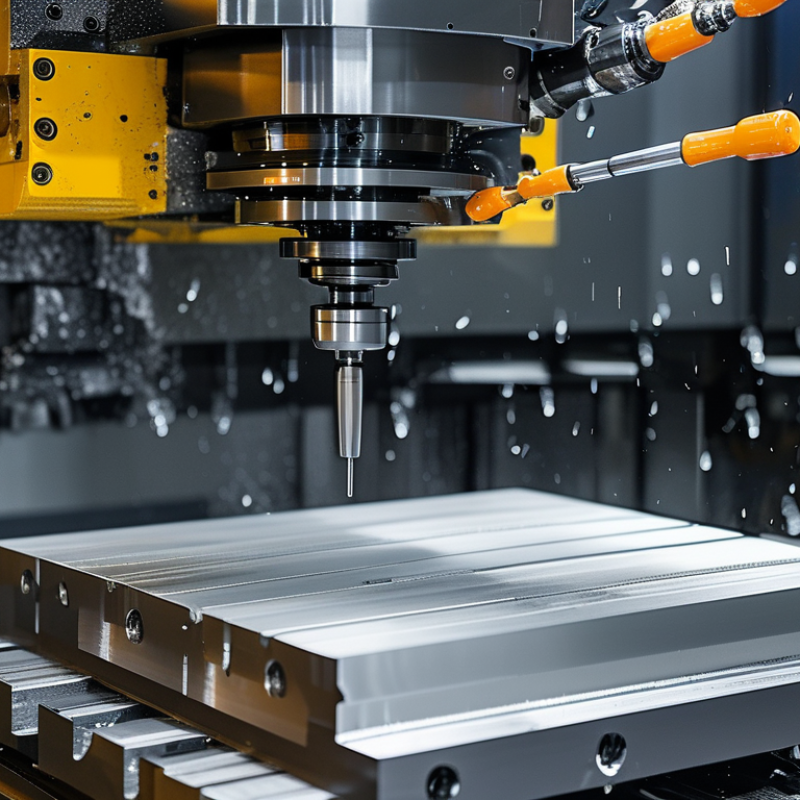
CNC machining is a precise process widely used in manufacturing. It involves Computer Numerical Control technology to automate tools. This method allows for high accuracy in creating complex parts. Industries, including aerospace and automotive, benefit greatly from this reliability. CNC machines can produce prototypes quickly, which accelerates the development phase.
However, the process isn't without challenges. Machine calibration must be performed regularly for optimal performance. Any minor deviation can lead to inaccuracies in the final product. Skilled operators are essential to monitor the machines and make adjustments when necessary. The reliance on technology raises questions about potential errors in programming or maintenance.
Applications of CNC machining are diverse. Components made from metal, plastic, or wood can be fabricated. Each material requires specific tooling and programming adjustments. Understanding these nuances is vital for achieving desired outcomes. Despite its advantages, operators must be aware of limitations and continuously seek improvements in their processes.
CNC machining is known for its precision. The key metrics used to gauge accuracy include tolerances, surface finish, and repeatability. Tolerances define the acceptable variations in dimensions during the manufacturing process. Common values range from ±0.005 inches to even tighter specifications depending on the application. A focus on these standards can significantly enhance the overall quality of the final product.
Surface finish is another important aspect. It measures the texture of the machined part. Achieving a smoother finish often indicates better machining practices. However, perfection in surface finish is not always feasible. Factors like tool wear and material type can disrupt desired outcomes.
Repeatability is crucial as well. It refers to the ability of the CNC machine to produce consistent results over multiple cycles. Inconsistent results can lead to increased waste and cost. Yet, advancements in technology are aimed at improving repeatability. Operators must remain vigilant to external influences that could affect machining accuracy. Understanding these metrics can help manufacturers fine-tune their processes and improve production efficiency.
CNC machining is known for its precision, but various factors can impact accuracy. One key element is the machine's calibration. According to industry studies, poorly calibrated machines can lead to deviations as much as 0.1 mm. Regular calibration and maintenance are essential for achieving optimal results.
Tool wear is another critical aspect. As cutting tools diminish over time, their ability to maintain precision decreases. Research suggests that around 25% of inaccuracies can be traced back to worn tools. Operators must frequently inspect and replace tools to ensure consistent quality.
Material selection also plays a role in CNC machining accuracy. Different materials react differently under machining processes. For example, soft metals may expand more than harder materials, leading to dimensional shifts. This variability can complicate the manufacturing process. It’s vital to align the choice of material with the intended tolerances for the part being produced.
CNC machining is renowned for its precision. Typically, it achieves tolerances of ±0.005 inches or better. This level of accuracy sets it apart from traditional manufacturing methods. For instance, manual machining often has tolerances of ±0.020 inches. This discrepancy can significantly affect the quality of the final product.
When comparing accuracy with 3D printing, CNC machining usually excels. 3D printing can achieve tolerances of around ±0.010 inches, but quality heavily depends on the material used. In applications requiring strict specifications, CNC is often the preferred choice. However, it's crucial to evaluate the chosen material's properties and variations.
**Tips:** Always verify CNC machine calibration. Even minor misalignments can lead to significant errors. Frequent checks reduce waste and improve efficiency. Consider the cost of parts resulting from inaccuracies. It’s essential to reflect on the manufacturing process. Are small tolerances being sacrificed for speed? Quality and performance should always be prioritized over quick turnarounds.
CNC machining is highly regarded for its accuracy in producing complex parts. Many industries rely on it to meet tight tolerances. For instance, the aerospace sector demands precision components that withstand extreme conditions. A small deviation can compromise safety, making accuracy paramount.
In automotive manufacturing, CNC machines create precise engine parts. They ensure each component fits perfectly, enhancing overall performance. However, flaws can still occur. Factors like tool wear or incorrect setup may lead to minor inaccuracies. Such issues highlight the importance of regular maintenance and operator training.
Medical device production exemplifies another area where precision is crucial. Components used in surgeries must meet stringent standards. Even slight inaccuracies can result in failed procedures. This underscores the necessity for rigorous quality control in CNC machining processes to ensure reliability. Continuous improvement practices can help in addressing these challenges.
: CNC machining is a precise manufacturing process that uses computer technology to automate tools.
It provides high accuracy and efficiency in producing complex parts, especially in aerospace and automotive sectors.
Key metrics include tolerances, surface finish, and repeatability, which ensure product quality.
Tolerances define acceptable dimensional variations, often ranging from ±0.005 inches to stricter specifications.
Surface finish indicates machining quality, but achieving perfection can be challenging due to tool wear.
Repeatability is the machine's ability to consistently produce identical parts across multiple cycles.
Challenges include regular machine calibration, potential programming errors, and the need for skilled operators.
Operators should understand material specifics and continuously seek to enhance their monitoring and adjustment skills.
Regular calibration is crucial; minor deviations can lead to significant inaccuracies in the final product.
They must recognize limitations and strive for improvements to ensure efficiency and product quality.
CNC machining is a highly precise manufacturing process that utilizes computer-controlled machines to produce intricate components. The accuracy of CNC machining can be gauged through various key metrics and standards, which play a crucial role in ensuring that products meet specific design specifications. Understanding how accurate is CNC machining in manufacturing processes requires an examination of factors such as machine calibration, tool wear, and environmental conditions, which can significantly impact precision.
When compared to traditional manufacturing techniques, CNC machining often outperforms in terms of accuracy and repeatability, making it a preferred choice for industries requiring high-quality components. Real-world applications showcasing the accuracy of CNC machined products further emphasize its importance in sectors like aerospace, automotive, and medical device manufacturing, where precision is paramount. As technology advances, the capabilities of CNC machining continue to improve, solidifying its role in modern manufacturing.

Robotic CNC